3.3 Digital Media: Internet, Social Media, and Mobile Technologies

📲Media Literacy Unit 3 Review
3.3 Digital Media: Internet, Social Media, and Mobile Technologies
📲 Media Literacy
Digital Media Overview
Digital media refers to any content stored and transmitted using digital codes. It has reshaped how we communicate, access information, and participate in public life. Understanding how these technologies work, and the trade-offs they create, is central to being media literate.
Forms of Digital Media
The internet is a global network of interconnected computers that enables communication and information exchange through platforms like websites, email, and instant messaging. It's the infrastructure that makes most other digital media possible.
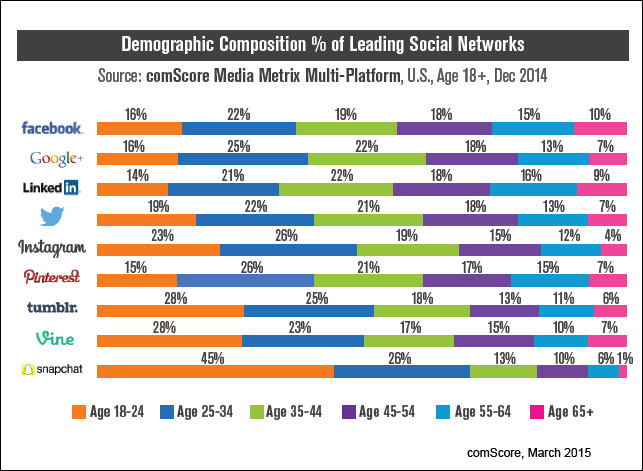
Social media platforms like Facebook/Meta, X (formerly Twitter), Instagram, LinkedIn, and YouTube let users create profiles, share content, and interact with each other. The defining feature is user-generated content: instead of a small group of producers broadcasting to a large audience (like TV or newspapers), anyone can create and distribute material.
Mobile technologies are portable devices that give you access to digital media on the go:
- Smartphones combine phone capabilities with internet access and apps, making them the primary way most people interact with digital media
- Tablets are larger touchscreen devices used for consuming and creating content
- Wearables like smartwatches and fitness trackers collect data and deliver notifications, extending digital media onto the body itself
Together, these three categories form an interconnected ecosystem. Social media platforms are accessed through mobile devices, which connect through the internet. Each layer shapes how content gets created, shared, and consumed.
Impact and Implications of Digital Media
Impact on Communication and Society
Digital media has made instant, long-distance communication routine. Messaging apps and video calls have largely replaced letters and postcards for everyday personal communication. The speed and reach are fundamentally different from any previous medium.
Beyond one-on-one communication, digital media has changed how groups form and interact. Online communities bring together people around shared interests, experiences, or identities, regardless of geographic location. You can find communities for nearly any topic, hobby, or identity.
Digital media has also democratized content creation and distribution. Anyone with internet access can publish writing, video, or audio to a global audience. This is a major shift from traditional media, where a small number of gatekeepers (editors, producers, network executives) controlled what got published. But this openness comes with challenges: misinformation spreads just as easily as accurate information, and echo chambers can form when algorithms show people only content that reinforces their existing beliefs.
Digital Media and Identity Formation
Social media profiles let individuals curate how they present themselves, choosing which interests, beliefs, and experiences to highlight. This curation can lead to identity fragmentation, where someone's online persona differs significantly from how they act offline. That gap is worth thinking critically about when you encounter anyone's social media presence, including your own.
On a collective level, digital media can unite people around shared characteristics or causes. Movements build momentum through online communities where members develop a shared identity and sense of purpose. At the same time, these same tools can amplify social divisions and polarization by making it easier for groups to define themselves in opposition to others.

Ethics and Legality in Digital Media
Privacy is one of the biggest concerns in digital media. Online platforms collect vast amounts of personal data to power targeted advertising and personalization. When data breaches occur, sensitive information like passwords, financial details, and personal messages can be exposed. Being media literate means understanding that if a platform is free, your data is likely the product.
Security risks go beyond data collection. Cyberattacks like hacking and malware can compromise digital systems at every scale, from individual accounts to major institutions. On a personal level, online harassment and cyberbullying cause real psychological harm and remain difficult to regulate effectively.
Intellectual property gets complicated in digital spaces. Digital content is extremely easy to copy and share, which makes copyright infringement common. Two frameworks help navigate this:
- Fair use allows limited use of copyrighted material for purposes like education, commentary, or parody
- Creative Commons licenses let creators specify in advance how others may use their work
Digital Media for Social Change
Digital media has become a significant tool for promoting social causes and political engagement. Online campaigns can raise awareness and mobilize support far more quickly than traditional organizing methods. Marginalized groups that historically had limited access to mainstream media can use digital platforms to share their voices and experiences directly with large audiences.
Two forms of digital activism stand out:
- Online petitions and crowdfunding enable grassroots organizing and fundraising without relying on established institutions
- Hashtag activism unites people around shared causes (like #MeToo or #BlackLivesMatter) and can spark real-world action and policy discussions
Digital media also shapes civic engagement more broadly. Online forums and social media enable public discourse and debate on policy issues. Digital tools can enhance government transparency and accountability by making public records, voting information, and official communications more accessible. The flip side is that these same spaces can be flooded with misleading political content, making critical evaluation of sources an essential skill.
See Fiveable more often in Google
Mark Fiveable as a preferred source and Google is more likely to show you our guides in Top Stories, with a "preferred" badge in AI Mode and AI Overviews.