14.1 New Media Literacies

📲Media Literacy Unit 14 Review
14.1 New Media Literacies
📲 Media Literacy
New Media Literacies in the Digital Age
New media literacies are the skills you need to participate effectively in digital environments. They go beyond traditional reading and writing to include things like using digital tools, critically analyzing media messages, and communicating well online. As technology reshapes how we learn, work, and connect with each other, these literacies have become foundational for everyday life.

Top images from around the web for Concept of new media literacies
Digital literacies and the skills of the digital age – Learning in the Digital Age View original
Is this image relevant?
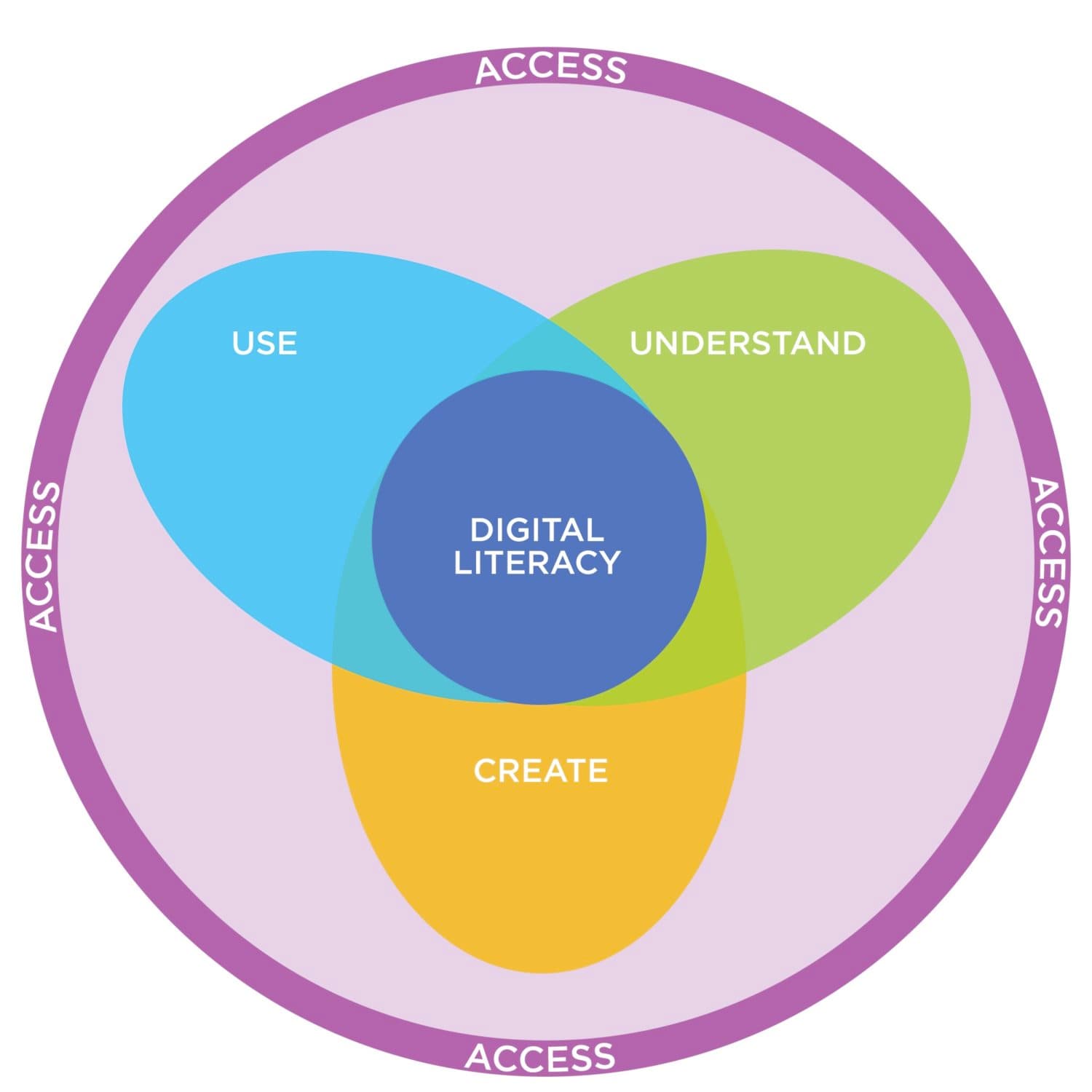
How digital literacy can help close the digital divide View original
Is this image relevant?
Digital Literacy – SocialTech View original
Is this image relevant?
Digital literacies and the skills of the digital age – Learning in the Digital Age View original
Is this image relevant?
How digital literacy can help close the digital divide View original
Is this image relevant?
Concept of New Media Literacies
New media literacies refer to a set of competencies required for meaningful participation in digital media environments. Traditional literacy (reading and writing) is still important, but it's no longer sufficient on its own. You also need to know how to navigate social media platforms, create digital content, evaluate online information, and interact responsibly in virtual spaces.
The importance of these literacies has grown alongside the rapid expansion of digital media. The shift toward online learning, remote work, and virtual communities means that people who lack these skills face real disadvantages in education, employment, and social participation.

Key Competencies for New Media
Five core competencies make up new media literacies:
- Digital literacy is the ability to use digital tools and platforms effectively. This means knowing how to access, navigate, and evaluate digital content across websites, apps, and devices. A digitally literate person can, for example, adjust privacy settings on a social media account or identify a phishing email.
- Media literacy is the ability to critically analyze and interpret media messages. Every piece of media, whether it's an advertisement, a news article, or a social media post, is constructed with particular choices about what to include, what to leave out, and how to frame the message. Media literacy helps you recognize those choices and understand how they shape your perceptions.
- Information literacy is the ability to locate, evaluate, and use information effectively. The core challenge here is distinguishing credible sources from unreliable ones. This might involve cross-referencing claims using fact-checking websites, evaluating whether a source has a clear bias, or understanding how academic databases differ from a casual Google search.
- Social and emotional literacy involves communicating and interacting effectively in digital spaces. Online interactions lack tone of voice and body language, which makes misunderstandings common. This competency covers online etiquette, digital empathy, and awareness of how your digital interactions affect relationships and well-being.
- Creative and innovative thinking is the ability to use digital tools to create and express ideas. This ranges from digital art and video editing to coding and podcast production. It also includes adaptability, meaning a willingness to learn new tools as they emerge rather than sticking only with what you already know.

Impact of New Media Literacies
These literacies matter because digital media has reshaped three major areas of life:
- Communication: Social media and instant messaging have expanded connectivity and global reach. But they've also introduced challenges around managing digital identities and online reputation. What you post can follow you, and the speed of digital communication makes it easy to share something before thinking it through.
- Learning: The internet provides access to vast educational resources and enables collaborative, interactive learning experiences. At the same time, the sheer volume of available information makes critical evaluation essential. Without information literacy, it's difficult to separate high-quality sources from misleading or inaccurate ones.
- Social interaction: Online communities and social networks offer real opportunities for connection and support. However, they also carry risks like cyberbullying, online harassment, and the digital divide, which refers to unequal access to technology across different socioeconomic groups, geographic regions, and age demographics.
Strategies for Literacy Development
Building new media literacies isn't a one-time event. It's an ongoing process, and there are several effective approaches:
- Formal education and training: Schools can integrate media literacy skills directly into their curricula. Dedicated workshops and courses focused on digital competencies give students structured opportunities to build these skills.
- Experiential learning: Hands-on projects are one of the best ways to develop fluency with digital tools. Creating a website, producing a podcast, or editing a short video forces you to engage with the technology rather than just reading about it.
- Critical reflection: Building a habit of questioning media messages strengthens your analytical skills over time. This means regularly asking yourself questions like Who created this message? What's their purpose? What perspectives are missing?
- Collaborative learning: Group projects and peer discussions related to new media give you exposure to different perspectives and approaches. Feedback from peers and mentors helps you identify blind spots in your own digital practices.
- Lifelong learning and adaptability: Technology changes fast. Staying current requires actively following emerging tools and trends, whether through online forums, professional development, or simply experimenting with new platforms as they appear. The specific tools will keep changing, but the underlying literacies transfer across them.
See Fiveable more often in Google
Mark Fiveable as a preferred source and Google is more likely to show you our guides in Top Stories, with a "preferred" badge in AI Mode and AI Overviews.