3.3 Gender and Sexual Orientation

🧠AP Psychology Unit 3 Review
3.3 Gender and Sexual Orientation
🧠 AP Psychology
3.1
Themes and Methods in Developmental Psychology
3.2
Physical Development Across the Lifespan
3.3
Gender and Sexual Orientation
3.4
Cognitive Development Across the Lifespan
3.5
Communication and Language Development
3.6
Social-Emotional Development Across the Lifespan
3.7
Classical Conditioning
3.8
Operant Conditioning
3.9
Social, Cognitive, and Neurological Factors in Learning
TLDR
Sex and gender shape how people are treated and socialized from a very young age, which influences identity, interests, emotions, relationships, and life choices. Biological sex involves physical traits like chromosomes and hormones, while gender is the set of social roles and expectations a culture connects to being a boy, girl, or another identity. For AP Psychology, focus on how socialization, not just biology, drives many observed differences in behavior and development.
AP Psych 3.3 Gender and Sexual Orientation
AP Psych 3.3 focuses on how sex and gender influence socialization and development. Biological sex refers to physical traits such as chromosomes, hormones, and reproductive anatomy. Gender refers to the social roles, expectations, and identities that cultures connect to being male, female, or another gender identity.
For the exam, the most important skill is applying the distinction in scenarios. If a prompt describes chromosomes, hormones, or anatomy, think biological sex. If it describes expectations, roles, identity, media, family, peers, or school norms, think gender and socialization.
Why This Matters for the AP Psychology Exam
This topic falls in Unit 3, Development and Learning, which makes up 15 to 25 percent of the exam. You are expected to describe how sex and gender influence socialization and other parts of development. That means you should be able to explain the difference between biological sex and gender, and show how families, peers, schools, and media shape gendered behavior over time.
Multiple-choice questions may give you a scenario about how a child is treated or what they are encouraged to do, then ask you to identify the developmental concept at work. On free-response questions, you may need to apply terms like socialization or gender roles to a described situation, or use evidence to support a claim about how social experiences shape development. Being precise with the sex versus gender distinction helps you avoid easy mistakes.
Key Takeaways
- Biological sex refers to physical traits such as chromosomes, hormones, and reproductive anatomy; gender refers to the social roles and expectations a culture links to identity.
- Socialization, the process of learning norms through parents, peers, teachers, and media, explains many observed differences in behavior and interests.
- Biology and experience interact in both directions, since neuroplasticity and hormone responses mean the environment can shape development too.
- Sex and gender can influence identity, academic interests, emotional expression, peer relationships, and career goals across the lifespan.
- Children are active participants in their gender development, sometimes following and sometimes resisting cultural expectations.
- Cultural and family environments can either reinforce or challenge traditional gender roles.
Sex and Gender in Development
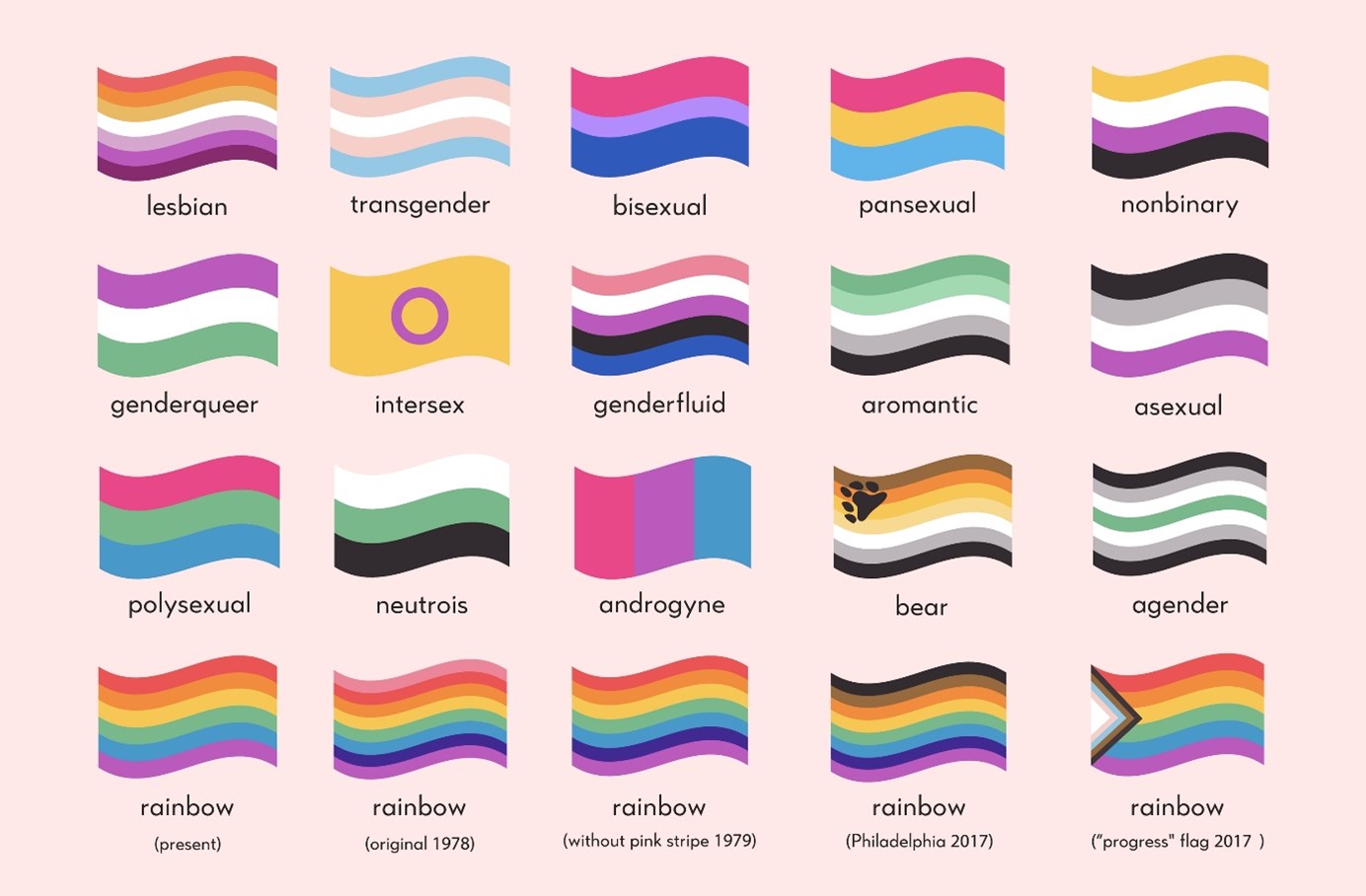
Biological sex refers to physical characteristics such as chromosomes, hormones, and reproductive anatomy. Gender refers to the socially constructed roles, behaviors, and expectations a culture associates with being male, female, or another gender identity. In development, sex relates to some biological influences, while gender strongly shapes socialization through cultural norms, expectations, and experiences. Biological and gender diversity both exist, but the key idea here is that biological sex and gender roles can influence how people are socialized and how development unfolds.
Biological Foundations
Biology plays a real but limited role in shaping developmental pathways. There is considerable overlap between sexes and natural diversity within them.
Early development research challenges many assumed differences:
- Motor, cognitive, and language milestones show minimal sex-based differences.
- Brain plasticity shows that experience and environment influence development alongside biological factors.
- Play preferences correlate strongly with exposure and encouragement.
- Adult expectations and interpretations often amplify small differences.
The relationship between biology and behavior is bidirectional:
- Neuroplasticity means experiences reshape brain development.
- Hormone levels respond to social experiences and environments.
- Gene expression is influenced by environmental factors.
- Physical activity and nutrition affect development regardless of sex.
Gender Socialization as a Social Construction
Sex and gender influence socialization because children are often treated differently based on perceived sex and gender. Parents, peers, teachers, and media may encourage different behaviors, interests, and emotional expression in boys and girls. These social expectations can shape identity development, self-concept, academic interests, and social behavior across childhood and adolescence.
Children actively participate in their gender development, sometimes conforming to and sometimes resisting cultural expectations depending on their environment.
The socialization process operates through:
- Gendered expectations that begin before birth, such as gender reveal parties and color-coding.
- Differential treatment that shapes behavior and preferences.
- Reinforcement systems that reward conformity and discourage difference.
- Representation in media and learning materials that shapes imagination.
- Language patterns that frame experiences and possibilities differently.
Different cultural and family environments may either reinforce or challenge traditional gender roles.
Research suggests that socialization contributes to many observed gender differences in behavior and interests:
- Gender differences in academic interests and performance are influenced by socialization, expectations, and opportunities.
- Leadership behaviors emerge when supported regardless of gender.
- Emotional expression capabilities are similar across sexes but are shaped by social expectations.
- Career aspirations correlate strongly with exposure to diverse role models.
How Sex and Gender Influence Development
Sex and gender can influence multiple aspects of development, including identity, academic interests, emotional expression, peer relationships, and career goals.
- Educational development: Gender expectations can affect subject choice, classroom participation, and confidence in areas such as math or science. Teaching practices can either reinforce or challenge these expectations, and representation in curricula affects how students identify with different subjects.
- Social-emotional development: Boys and girls may be socialized to express emotions differently, which influences coping, relationships, and help-seeking. Emotional and relationship skills are human capacities, but social expectations can channel them in gendered ways.
- Lifespan development: Gender roles can shape career paths, family responsibilities, and health-related behaviors over time. When people have flexibility in how they approach these domains, balanced development tends to support later life satisfaction.
Key Terms to Know
- Biological sex: Physical characteristics such as chromosomes, hormones, and reproductive anatomy.
- Gender: The socially constructed roles, behaviors, and expectations a culture associates with a given identity.
- Gender identity: A person's internal sense of their own gender.
- Gender roles: Cultural expectations about how people of a particular gender should behave.
- Socialization: The lifelong process of learning the norms, values, and behaviors of one's culture through family, peers, school, and media.
- Gender socialization: The specific process through which people learn the behaviors and expectations tied to gender.
- Neuroplasticity: The brain's ability to change its structure and function in response to experience.
How to Use This on the AP Psychology Exam
MCQ
Scenario questions often describe a child being treated a certain way, then ask for the concept behind it. If a parent gives a son toy trucks and a daughter dolls, that is gender socialization, not biology. Read for who is doing the shaping, since parents, peers, teachers, and media are common answers.
When a question contrasts a physical trait with a learned behavior, separate biological sex from gender. Chromosomes and hormones point to sex, while expectations and roles point to gender.
Free Response
If a prompt gives you a developmental situation, apply the exact term that fits. Use socialization when the environment teaches behavior, and use gender roles when the situation is about cultural expectations for how someone should act.
When you need to support a claim with evidence, connect the behavior to its social cause. For example, explain that differences in emotional expression often reflect how boys and girls are socialized rather than fixed biological limits.
Common Trap
Do not treat every gender difference as biological. Many observed differences trace back to socialization, expectations, and opportunities. Naming the social process is usually what earns the point.
Common Misconceptions
- Misconception: Sex and gender are the same thing.Actually: Sex refers to physical traits like chromosomes and hormones, while gender refers to social roles and expectations. Mixing them up is a common scoring error.
- Misconception: All gender differences are biological.Actually: Research points to socialization, expectations, and opportunities as major drivers of many observed differences in behavior and interests.
- Misconception: Children just passively absorb gender roles.Actually: Kids actively participate in their gender development, sometimes following and sometimes resisting cultural expectations.
- Misconception: Biology and environment work in only one direction.Actually: The relationship is bidirectional, since experiences can reshape the brain and even influence hormone levels and gene expression.
- Misconception: Emotional ability differs by sex.Actually: Emotional and relationship capacities are similar across sexes, but social expectations shape how they get expressed.
Related AP Psychology Guides
Practice Questions for 3.3
1 of 10
A study measured self-reported confidence in grades 3, 6, and 9 for math, science, language arts, and social studies. In grade 3 boys and girls reported nearly identical confidence. By grade 9 girls' math confidence fell to 5.2 while boys stayed 7.8, and girls' language arts confidence rose to 8.1 while boys stayed 6.9. Science and social studies showed minimal gender differences. What inference about gender socialization and academic self-concept development follows from these results?
A.
Innate biological differences cause girls to have lower math confidence
B.
Cultural gender socialization reduces girls' math and raises girls' language arts confidence
C.
Stable science and social studies confidence reflects weaker gendered cultural stereotypes
D.
Instructional bias alone cannot explain opposite trends across math and language arts
Vocabulary
The following words are mentioned explicitly in the AP® course framework for this topic.Term | Definition |
|---|---|
gender | The social and psychological characteristics associated with being male or female, distinct from biological sex. |
gender identity | An individual's personal sense of their own gender, which may or may not align with the sex assigned at birth. |
gender roles | Socially constructed expectations and behaviors associated with being male or female that vary across cultures and historical periods. |
sex | Biological characteristics typically used to classify individuals as male or female at birth. |
sexual orientation | An individual's pattern of emotional, romantic, or sexual attraction to others, including heterosexual, homosexual, and bisexual orientations. |
socialization | The process through which individuals learn and internalize the norms, values, and behaviors of their society, influenced by factors such as sex and gender. |
Frequently Asked Questions
What is AP Psych 3.3 about?
AP Psych 3.3 is about how sex and gender influence socialization and development. It focuses on the difference between biological sex, gender, gender roles, gender identity, and the social expectations that shape behavior.
What is the difference between sex and gender in AP Psychology?
Biological sex refers to physical traits such as chromosomes, hormones, and reproductive anatomy. Gender refers to the social roles, expectations, and identities that cultures connect to being male, female, or another gender identity.
What is gender socialization?
Gender socialization is the process of learning gender-related norms and expectations through family, peers, schools, media, and culture. It can shape interests, emotional expression, identity, and behavior.
How does gender influence development?
Gender can influence development by shaping how people are treated, what behaviors are encouraged, and what roles or opportunities seem available. These social experiences can affect identity, relationships, academic interests, and career goals.
What is sexual orientation in AP Psychology?
Sexual orientation is part of identity development and refers to patterns of romantic or sexual attraction. In AP Psychology, use the term carefully and distinguish it from biological sex and gender identity.
How will AP Psych 3.3 show up on the exam?
Exam questions often use scenarios. If the scenario involves chromosomes or hormones, think biological sex; if it involves expectations, roles, identity, or treatment by others, think gender and socialization.
See Fiveable more often in Google
Mark Fiveable as a preferred source and Google is more likely to show you our guides in Top Stories, with a "preferred" badge in AI Mode and AI Overviews.