3.1 Subject-Centered Curriculum Models

📅Curriculum Development Unit 3 Review
3.1 Subject-Centered Curriculum Models
📅 Curriculum Development
Key Characteristics and Advantages of Subject-Centered Curriculum Models
Subject-centered curriculum models organize learning around distinct academic disciplines. Each subject (math, science, history, etc.) is taught independently, with its own goals, content, and instructional methods. These models prioritize deep mastery within each discipline and build knowledge progressively from foundational concepts to advanced topics.

Top images from around the web for Characteristics of subject-centered models
Chapter: Curriculum Design, Development and Models: Planning for Student Learning – Curriculum ... View original
Is this image relevant?
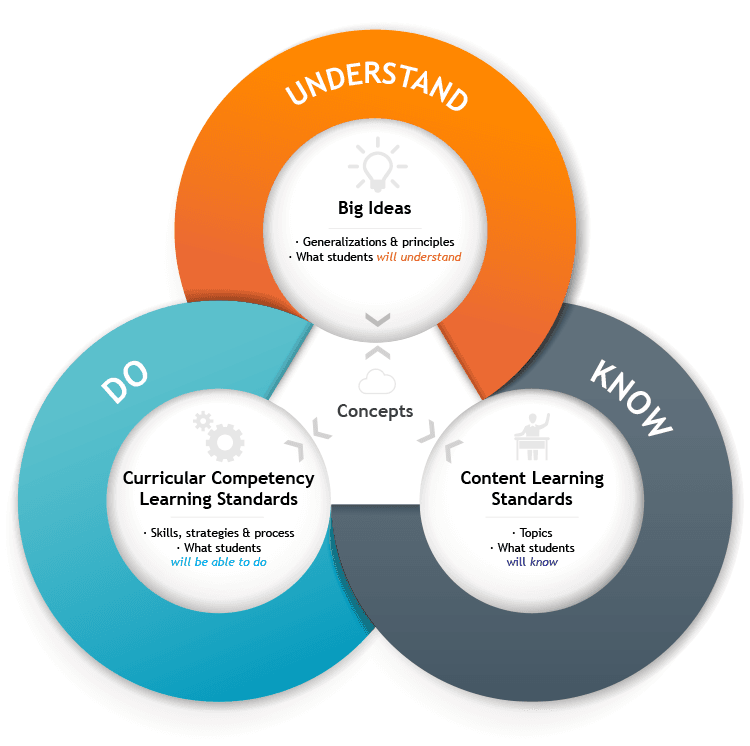
British Columbia curriculum - Education - Teaching Science - LibGuides at University of Victoria ... View original
Is this image relevant?
Chapter: Curriculum Design, Development and Models: Planning for Student Learning – Curriculum ... View original
Is this image relevant?
Chapter: Curriculum Design, Development and Models: Planning for Student Learning – Curriculum ... View original
Is this image relevant?
British Columbia curriculum - Education - Teaching Science - LibGuides at University of Victoria ... View original
Is this image relevant?
Characteristics of Subject-Centered Models
- Discipline-based organization: The curriculum is divided into separate subjects, each with its own scope and sequence chart mapping content and skill progression across grade levels.
- Mastery-oriented: The focus is on building expertise within a single subject area over time, layering new concepts on top of previously learned material.
- Teacher-centered instruction: Teachers function as subject matter experts, delivering content primarily through direct instruction, lectures, and demonstrations.
- Structured and sequential design: Content follows a logical order, moving from simple to complex. This makes planning, pacing, and assessment straightforward.
Advantages
- Depth of knowledge: Students develop strong expertise in individual subjects, which prepares them well for higher education and specialized fields.
- Clear structure: Because each subject has defined content and skills, it's easier for teachers to plan lessons, track student progress, and align instruction with standards.
- Alignment with existing systems: Most schools are already organized by subject area, and teacher training programs certify educators in specific disciplines. Subject-centered models fit naturally into this structure.

Limitations
- Limited integration: Subjects are taught in isolation, which makes it harder for students to see connections between disciplines. A student might learn about ratios in math class and concentration in science class without realizing they're related concepts.
- Rigidity: The structured format can be slow to incorporate emerging topics or respond to changing societal needs. It also doesn't easily accommodate diverse learning styles.
- Risk of disengagement: Heavy reliance on memorization and content delivery can lead to student boredom, especially when instruction doesn't connect to students' interests or real-world problems.
Effectiveness and Design of Subject-Centered Curriculum Models

Effectiveness in Educational Contexts
Subject-centered models work best in settings where clearly defined knowledge needs to be taught and assessed systematically.
- Standardized testing and college prep: These models are well-suited for preparing students for exams like the SAT and ACT, which test mastery of discrete subject areas like math, English, and science.
- Disciplines with well-defined content: Subjects like mathematics and the natural sciences, where there's a clear body of established knowledge and skills, benefit most from this approach. Disciplines that rely more on interdisciplinary thinking (social sciences, humanities) can feel constrained by it.
- Diverse learners: The model doesn't naturally accommodate different learning styles (visual, auditory, kinesthetic) or the needs of students with IEPs or English language learners. Teachers using this model need to intentionally build in differentiated instruction and accommodations.
Designing a Subject-Centered Curriculum Unit
When building a unit within this model, follow these steps:
- Select the subject area and grade level. Consider students' developmental stage and prior knowledge. Identify the key concepts, skills, and standards the unit will address.
- Write learning objectives and assessments. Develop specific, measurable objectives aligned with your subject and grade level. Design both formative assessments (checks along the way) and summative assessments (end-of-unit evaluations) to measure student mastery.
- Plan the lesson sequence and materials. Arrange lessons so they progressively build knowledge and skills. Choose instructional materials (textbooks, videos, manipulatives) and vary your strategies across lectures, discussions, and hands-on activities.
- Align with the broader scope and sequence. Make sure the unit fits within the subject's progression across grade levels. Coordinate with teachers in other subject areas to identify cross-curricular connections, such as linking a math unit on data analysis with a science unit on experimental design.
- Plan for differentiation. Build in accommodations for students with special needs (IEPs) and language barriers (ELLs). Consider how you'll adjust instruction to reach learners with different strengths and needs.
See Fiveable more often in Google
Mark Fiveable as a preferred source and Google is more likely to show you our guides in Top Stories, with a "preferred" badge in AI Mode and AI Overviews.