3.3 Problem-Centered Curriculum Models

📅Curriculum Development Unit 3 Review
3.3 Problem-Centered Curriculum Models
📅 Curriculum Development
Problem-Centered Curriculum Models
Problem-centered curriculum models organize learning around real-world challenges rather than traditional subject-matter sequences. Instead of teaching content first and hoping students apply it later, these models flip that order: students encounter a meaningful problem, then pull in the knowledge and skills they need to solve it. This makes them a distinct alternative to subject-centered and learner-centered designs, and understanding how they work is central to Unit 3.

Top images from around the web for Features of problem-centered curriculum models
Frontiers | Understanding the Multidimensional Nature of Student Engagement During the First ... View original
Is this image relevant?
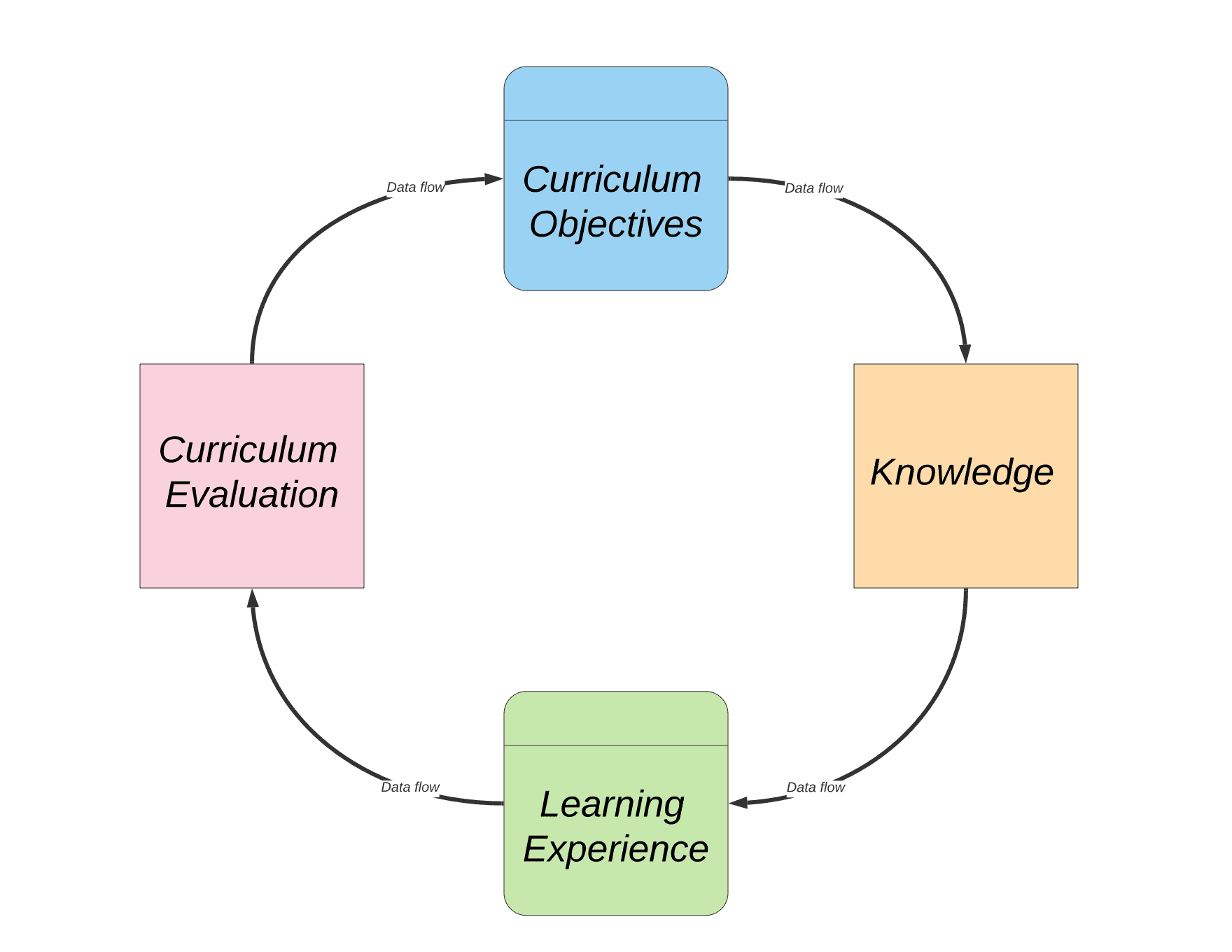
Chapter: Curriculum Design, Development and Models: Planning for Student Learning – Curriculum ... View original
Is this image relevant?
British Columbia curriculum - Education - Teaching Mathematics - LibGuides at University of ... View original
Is this image relevant?
Frontiers | Understanding the Multidimensional Nature of Student Engagement During the First ... View original
Is this image relevant?
Chapter: Curriculum Design, Development and Models: Planning for Student Learning – Curriculum ... View original
Is this image relevant?
Features of Problem-Centered Curriculum Models
The defining feature is that a real-world problem drives the curriculum, not a textbook chapter or a list of standards. Everything else flows from that starting point.
- Real-world problem as organizer. Students actively investigate and propose solutions to complex issues rather than passively receiving content. The problem comes first; the content follows as students need it.
- Student-centered engagement. Students take ownership of the learning process. They decide what information they need, where to find it, and how to use it.
- Interdisciplinary integration. Because real problems don't respect subject boundaries, students draw on knowledge and skills from multiple disciplines. A problem about local water quality, for example, might require chemistry, geography, public policy, and data analysis.
- Collaborative learning. Teamwork and communication are built into the model. Students work in groups, divide tasks, debate solutions, and learn to negotiate different perspectives.
- Formative assessment and feedback. Assessment is ongoing, not just a test at the end. Teachers monitor progress, give feedback during the process, and adjust support as needed.

Real-World Problems in Authentic Learning
Real-world problems serve as the foundation of the entire curriculum structure. They aren't add-ons or enrichment activities; they are the curriculum.
For a problem to work well in this model, it needs to be complex, open-ended, and genuinely relevant to students' lives or communities. A question like "How should our city respond to rising flood risk?" meets all three criteria. It has no single correct answer, it connects to students' lived experience, and it demands knowledge from multiple fields.
- Students engage in hands-on, experiential activities that simulate real-life situations, such as case studies, simulations, community investigations, or design challenges.
- These authentic contexts foster deeper understanding because students see why the content matters, not just what it is.
- Working toward solving a genuine problem builds a sense of purpose. Research consistently shows this kind of relevance increases student motivation compared to abstract exercises.

Effectiveness of Problem-Centered Approaches
Problem-centered models target higher-order thinking directly. Rather than memorizing facts and hoping critical thinking develops on its own, students practice analysis, synthesis, and evaluation as part of their daily work.
- Critical thinking and problem-solving. Students learn to define problems clearly, gather and interpret information, generate multiple possible solutions, and evaluate trade-offs. These are transferable skills that apply well beyond any single assignment.
- Metacognitive development. Students become more aware of their own thinking processes. They learn to ask themselves questions like "What do I already know? What do I still need to find out? Is my approach working?" Over time, they develop systematic strategies for tackling unfamiliar problems.
- Research support. Studies on problem-based learning (PBL) show improved student performance on problem-solving tasks and better transfer of learning to new situations. Students in problem-centered programs also tend to report higher engagement, motivation, and self-efficacy compared to students in traditional lecture-based courses.
That said, these models place heavy demands on both teachers and students. Teachers must be skilled facilitators, and students need scaffolding, especially early on, to avoid frustration with open-ended tasks.
Designing Problem-Centered Learning Activities
Turning the problem-centered philosophy into an actual classroom activity requires deliberate planning. The following steps outline the process.
Step 1: Identify a relevant problem or challenge.
Choose a problem that is meaningful and engaging to your student population. Current events, social issues, scientific phenomena, and community concerns all work well (e.g., climate change impacts on local agriculture, food insecurity in the school neighborhood, or designing an accessible public space). The problem should be complex enough that it genuinely requires critical thinking; if there's an obvious, Google-able answer, it's not a good fit.
Step 2: Define learning objectives and outcomes.
Align your objectives with both the problem and the curriculum standards you need to address. Be specific: rather than "students will understand environmental science," try "students will analyze data on local air quality and propose evidence-based recommendations." Communicate these objectives clearly to students so they understand what success looks like.
Step 3: Design the learning activity and assessment.
- Create a scenario or case study that presents the problem in an authentic context. Give students a role or a stakeholder perspective to ground their work.
- Provide resources and support materials (data sets, readings, expert contacts) to guide investigation without doing the thinking for them.
- Build in collaborative learning opportunities and structured peer feedback.
- Develop both formative assessments (checkpoints, drafts, group reflections) and summative assessments (final presentations, written proposals, portfolios) that measure progress toward your stated objectives.
Step 4: Implement the activity and monitor student progress.
- Introduce the problem with clear instructions and expectations. Spend time making sure students understand the scope of the challenge before they dive in.
- Facilitate rather than lecture. Your role shifts to asking guiding questions, redirecting unproductive paths, and connecting students to resources.
- Provide ongoing feedback to help students refine their thinking and problem-solving strategies.
- Build in structured opportunities for reflection and self-evaluation so students develop the metacognitive habits the model is designed to promote.
Key takeaway: Problem-centered models don't just change what students learn; they change how students learn. The teacher's role shifts from content deliverer to facilitator, and the student's role shifts from passive receiver to active problem-solver. Designing these activities well takes more upfront planning, but the payoff is deeper engagement and more durable learning.
See Fiveable more often in Google
Mark Fiveable as a preferred source and Google is more likely to show you our guides in Top Stories, with a "preferred" badge in AI Mode and AI Overviews.