3.4 Competency-Based Curriculum Models

📅Curriculum Development Unit 3 Review
3.4 Competency-Based Curriculum Models
📅 Curriculum Development
Principles and Components of Competency-Based Curriculum Models
Competency-based curricula flip the traditional model: instead of measuring learning by how long a student sits in a classroom, they measure it by what a student can actually do. Learners progress by demonstrating mastery of specific skills, not by accumulating credit hours. This approach has gained traction because it ties education directly to workforce needs, but it also requires rethinking some deeply embedded structures in how schools and programs operate.
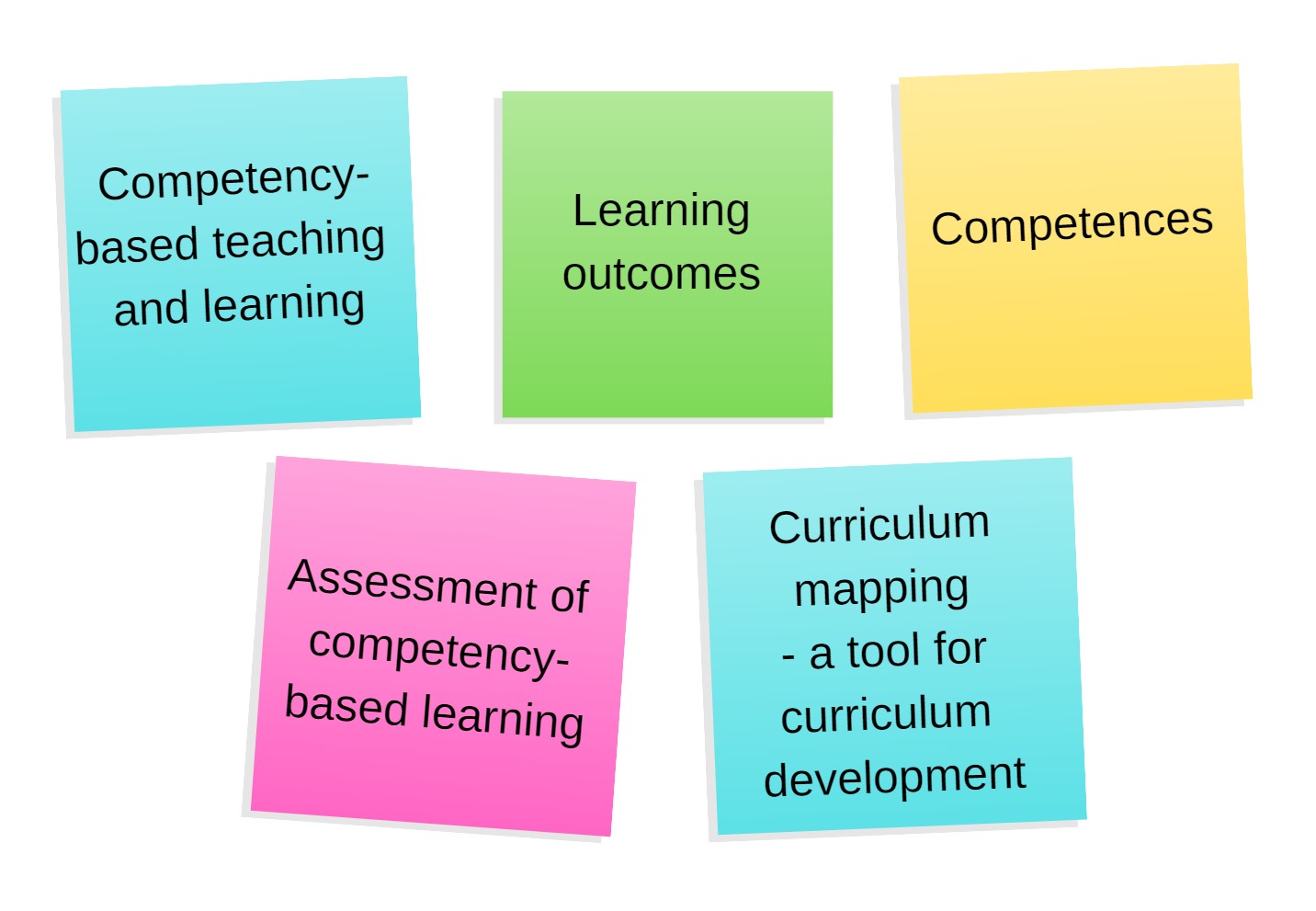
Top images from around the web for Principles of competency-based curricula
Sample competency framework structures – eCampusOntario Open Competency Toolkit View original
Is this image relevant?
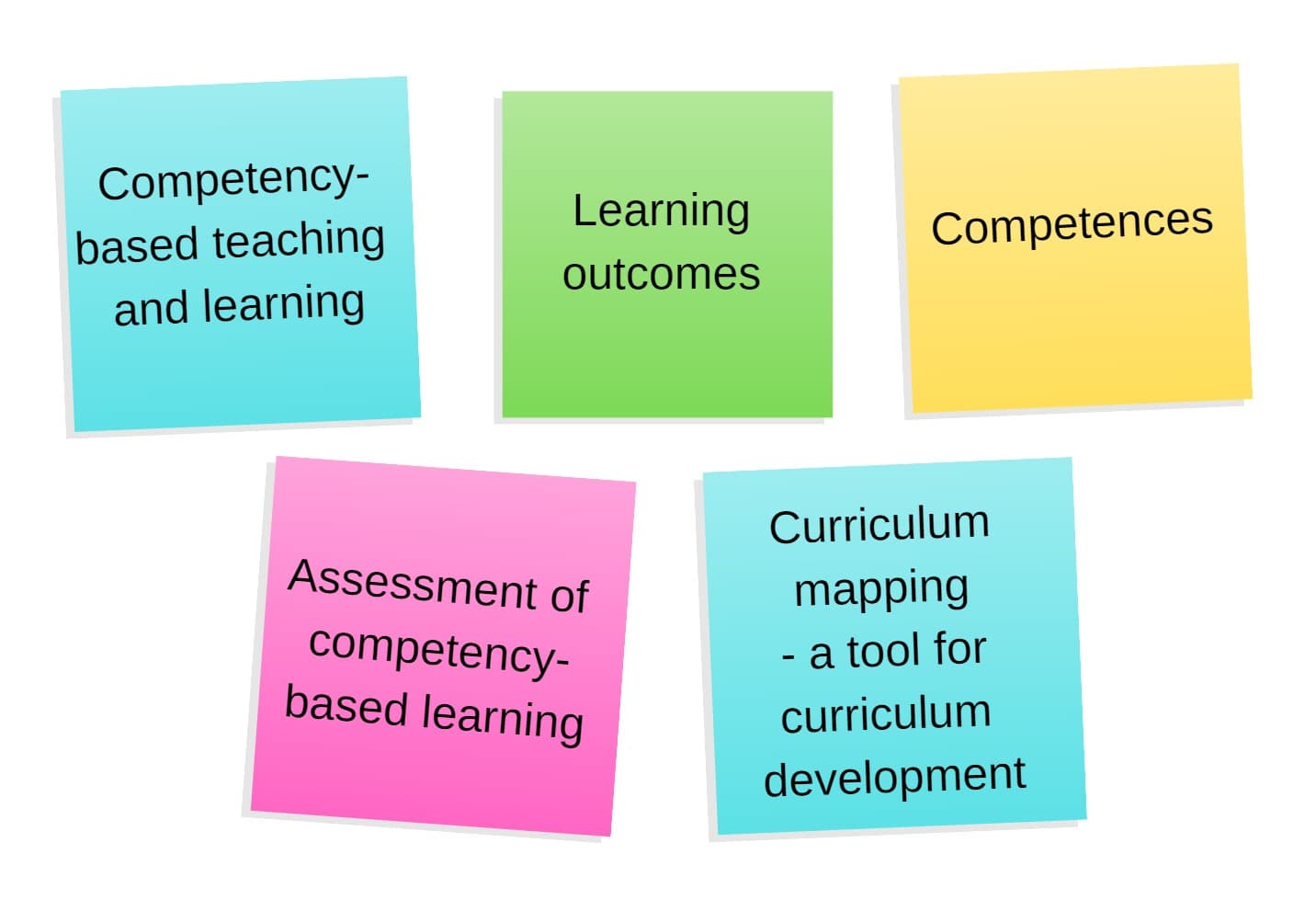
Competency-based teaching and curriculum – UNIPS View original
Is this image relevant?
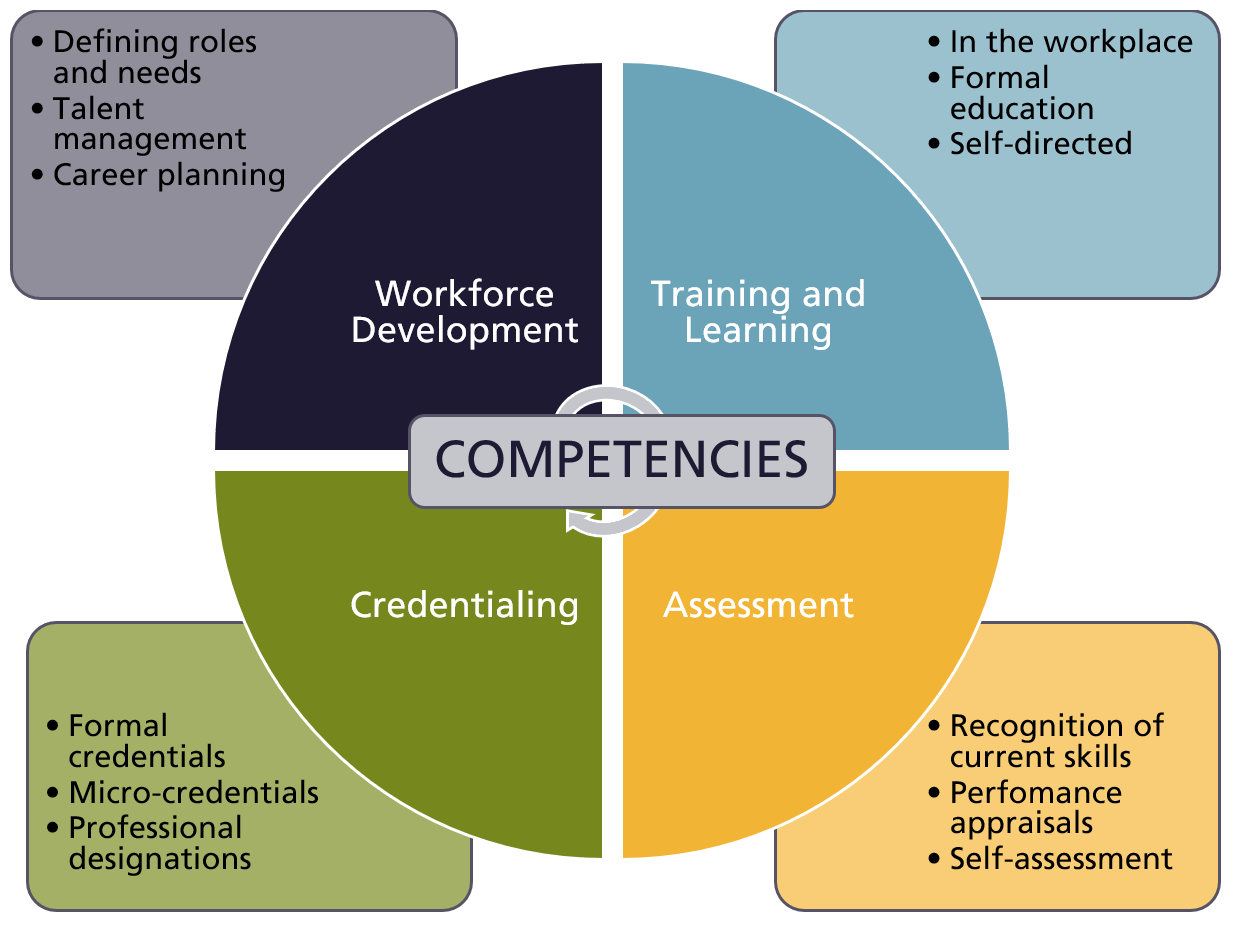
Uses for competency frameworks – eCampusOntario Open Competency Toolkit View original
Is this image relevant?
Sample competency framework structures – eCampusOntario Open Competency Toolkit View original
Is this image relevant?
Competency-based teaching and curriculum – UNIPS View original
Is this image relevant?
Principles of Competency-Based Curricula
Mastery over seat time. Learners advance once they prove proficiency in a defined competency, not after a set number of weeks. A student who already knows how to write clean code can move ahead, while another who needs more practice gets that time. This makes progression flexible and individualized.
Alignment with industry and professional standards. Competencies aren't invented in a vacuum. They're drawn from what employers and professional bodies actually require. Learning objectives are measurable, and expectations are transparent from the start. Programs in nursing, accounting, and teaching, for example, map their competencies directly to licensure exam standards.
Flexible learning pathways. Because the focus is on the outcome (mastery), learners can take different routes to get there. One student might complete an online module, another might learn through a hands-on project or internship. This accommodates different learning preferences and life circumstances.
Authentic assessment. Rather than relying on traditional exams, competency-based models evaluate learners through performance-based tasks that mirror real work. Think building a functional website, delivering a sales pitch, or creating a household budget. Portfolios of student work are also common.
Continuous feedback and support. Progress monitoring is ongoing, not limited to midterms and finals. Regular check-ins (weekly quizzes, one-on-one meetings) help identify where learners are struggling, and targeted interventions like tutoring or additional practice keep them on track.
Benefits vs. Challenges of Competency-Based Approaches
Benefits include:
- Higher engagement and motivation. Learners work on skills they see as relevant, and self-paced progress (completing modules, unlocking next stages) keeps them invested.
- Stronger education-to-workforce alignment. Graduates leave with demonstrable, in-demand competencies like digital marketing, data analysis, or conflict resolution rather than just a transcript of letter grades.
- Personalization for diverse learners. Career changers, working professionals, and accelerated students can all move through the same program at a pace and through pathways that fit their situation.
- Applied knowledge. Authentic assessments (writing grant proposals, developing business plans, conducting experiments) ensure learners can transfer what they know to real tasks.
Challenges involve:
- Overhauling institutional structures. Credit hours, seat-time requirements, grade levels, scheduling, transcript formats, and financial aid policies all assume time-based progression. Shifting to mastery-based learning demands major logistical and policy changes.
- Heavy professional development demands. Educators need training to shift from lecturing to facilitating personalized learning, and they need to build robust competency-based assessments. This includes skills in project-based learning design, mastery grading, and learner data analysis.
- Stakeholder resistance. Parents, policymakers, and college admissions offices are accustomed to traditional grades and GPAs. Convincing them that a competency transcript is equally (or more) meaningful takes deliberate communication.
- Assessing hard-to-measure competencies. Skills like critical thinking, creativity, and global awareness are genuinely difficult to evaluate with validity and reliability. Ensuring consistency across different instructors and institutions adds another layer of complexity.

Alignment and Assessment in Competency-Based Curricula
Alignment with Industry Standards
Getting alignment right is what separates a competency-based program that employers trust from one that looks good on paper but doesn't prepare graduates. The process has three main steps:
- Identify relevant standards and requirements. Consult professional organizations, review licensure exams (CPA exam, NCLEX, state teaching standards), and analyze current job descriptions to pinpoint the skills and knowledge the field actually demands.
- Map competencies to those standards. Create a detailed map showing which program competencies address which industry requirements. Flag any gaps that need additional emphasis. For example, a fintech program might map its curriculum to in-demand programming languages and current financial regulations, then notice it's missing coverage of a key compliance area.
- Validate through external input. Share the competency map with employers, alumni, and industry advisory boards. Ask whether the mapped competencies are relevant, thorough, and current. A cybersecurity program, for instance, might learn from tech company partners that it needs to add specific tools or certifications. Incorporate this feedback and refine.
Design of Competency-Based Rubrics
A strong rubric is the backbone of fair, consistent assessment in a competency-based model. Here's how to build one:
-
Break the competency into observable components. For a public speaking competency, those components might be content, delivery, visual aids, and audience interaction. Each component should be something an assessor can directly observe and measure.
-
Define performance levels for each component. Most rubrics use four levels. Here's an example for public speaking:
| Level | Content | Delivery | Visual Aids | Audience Interaction |
|---|---|---|---|---|
| Novice | Unclear purpose, lacks supporting details | Frequent pauses, reads notes, avoids eye contact | Cluttered, illegible, unrelated to content | No attempt to engage or respond to audience |
| Developing | States purpose, includes some relevant details | Occasional pauses, some eye contact, refers to notes | Mostly clear and relevant, minor errors | Limited interaction and responsiveness |
| Proficient | Clear purpose, sufficient supporting details | Steady pace, consistent eye contact, minimal reliance on notes | Clear, error-free, enhances content | Engaging, responds to audience feedback |
| Advanced | Strong purpose, compelling and memorable details | Dynamic pace, strong eye contact and gestures, no notes needed | Creative, memorable, elevates the presentation | Highly interactive, adapts to audience needs |
-
Organize as a matrix. List components along one axis and performance levels along the other. Each cell should contain a concise, specific description of what performance looks like at that intersection. Vague descriptors ("good delivery") undermine reliability.
-
Pilot and revise. Use the rubric with actual student performances, then gather feedback from other faculty. Look for cells where raters disagree, since that's where descriptions need to be clarified. Refine until the rubric produces consistent results across different assessors.
See Fiveable more often in Google
Mark Fiveable as a preferred source and Google is more likely to show you our guides in Top Stories, with a "preferred" badge in AI Mode and AI Overviews.