9.3 Prevention and Intervention Strategies

😵Abnormal Psychology Unit 9 Review
9.3 Prevention and Intervention Strategies
😵 Abnormal Psychology
Suicide prevention is a critical aspect of mental health care, focusing on early intervention and evidence-based strategies. Recognizing risk factors and warning signs allows for timely support, while comprehensive assessments guide personalized treatment plans.
Support networks play a crucial role in suicide prevention. Mental health professionals, family members, and communities work together to provide care, raise awareness, and create a safety net for those at risk. Postvention strategies support survivors and minimize the impact of suicide on affected communities.
Suicide Prevention and Intervention Strategies

Top images from around the web for Importance of early intervention
Mental Health Models – Capacity to Connect: Supporting Students’ Mental Health and Wellness View original
Is this image relevant?
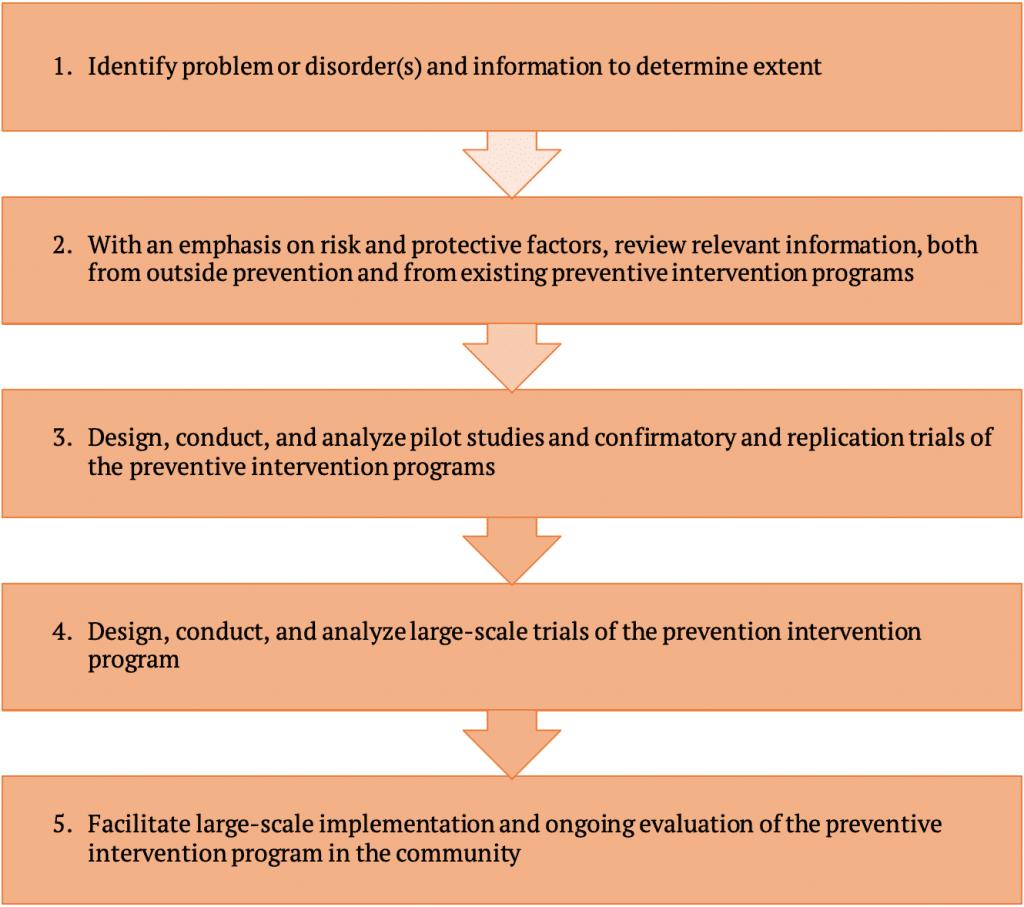
Prevention and Promotion – Introduction to Community Psychology View original
Is this image relevant?
Frontiers | A Visualization of a Socio-Ecological Model for Urban Public Mental Health Approaches View original
Is this image relevant?
Mental Health Models – Capacity to Connect: Supporting Students’ Mental Health and Wellness View original
Is this image relevant?
Prevention and Promotion – Introduction to Community Psychology View original
Is this image relevant?
Importance of early intervention
- Early identification of risk factors and warning signs enables timely intervention
- Mental health conditions increase vulnerability (depression, anxiety, substance abuse)
- Previous suicide attempts or self-harm indicate heightened risk
- Traumatic life events or chronic stressors can precipitate suicidal behavior
- Impulsive or aggressive tendencies may lead to sudden suicidal acts
- Benefits of early intervention are significant
- Timely access to mental health services and support improves outcomes
- Opportunity to address underlying issues prevents escalation of suicidal thoughts
- Increased chances of successful treatment and recovery with prompt care

Evidence-based risk assessment strategies
- Comprehensive suicide risk assessment is crucial
- Gathering information on risk factors, protective factors, and warning signs provides a holistic view
- Using validated assessment tools standardizes the evaluation process (Columbia-Suicide Severity Rating Scale)
- Evaluating the immediacy and severity of the risk guides intervention planning
- Safety planning and crisis management are essential components
- Collaborating with the individual to develop a personalized safety plan promotes engagement
- Identifying coping strategies, support systems, and emergency contacts creates a safety net
- Restricting access to lethal means reduces the risk of impulsive suicidal acts (firearms, medications)
- Evidence-based treatment approaches target suicidal thoughts and behaviors
- Cognitive-behavioral therapy (CBT) for suicide prevention challenges distorted thinking patterns
- Dialectical behavior therapy (DBT) for individuals with borderline personality disorder builds emotion regulation skills
- Collaborative assessment and management of suicidality (CAMS) emphasizes a collaborative approach between patient and provider

Role of support networks
- Mental health professionals play a central role
- Providing accurate assessment, diagnosis, and treatment ensures appropriate care
- Educating patients and families about suicide risk and prevention strategies empowers them
- Coordinating care and collaborating with other healthcare providers enhances continuity of care
- Family involvement is vital for support and monitoring
- Recognizing warning signs and seeking help when needed can prevent tragedies
- Providing emotional support and a safe environment fosters recovery
- Participating in treatment planning and adherence improves outcomes
- Community-based approaches expand the reach of prevention efforts
- Raising awareness and reducing stigma surrounding mental health and suicide encourages help-seeking
- Implementing community-wide screening and prevention programs identifies at-risk individuals
- Strengthening social connections and support networks mitigates isolation and despair
Postvention for affected communities
- Support for survivors of suicide loss is critical
- Grief counseling and bereavement support groups provide a safe space to process emotions
- Addressing feelings of guilt, shame, and stigma helps survivors heal
- Promoting healthy coping mechanisms and resilience fosters long-term well-being
- Strategies for schools and workplaces minimize the impact of a suicide
- Providing crisis response and debriefing after a suicide helps the community cope
- Offering counseling services and resources for students and employees supports their mental health needs
- Reviewing policies and procedures to prevent future incidents strengthens organizational preparedness
- Media guidelines for responsible reporting reduce the risk of contagion
- Avoiding sensationalism and graphic details minimizes the glamorization of suicide
- Providing information on warning signs and resources for help encourages seeking assistance
- Emphasizing stories of hope, resilience, and successful interventions inspires others to seek help
See Fiveable more often in Google
Mark Fiveable as a preferred source and Google is more likely to show you our guides in Top Stories, with a "preferred" badge in AI Mode and AI Overviews.