10.4 Other Psychotic Disorders

😵Abnormal Psychology Unit 10 Review
10.4 Other Psychotic Disorders
😵 Abnormal Psychology
Other Psychotic Disorders
Schizophrenia gets most of the attention in this unit, but it's not the only psychotic disorder in the DSM-5. Several other conditions involve psychotic symptoms like delusions and hallucinations, yet each differs from schizophrenia in important ways: how long symptoms last, whether mood episodes are involved, and how much the person's daily functioning is affected. Knowing these distinctions is critical for differential diagnosis.

Top images from around the web for Schizophrenia vs other psychotic disorders
DSM 5 – Schizophrenia Spectrum and Bipolar Disorders – Psychology View original
Is this image relevant?
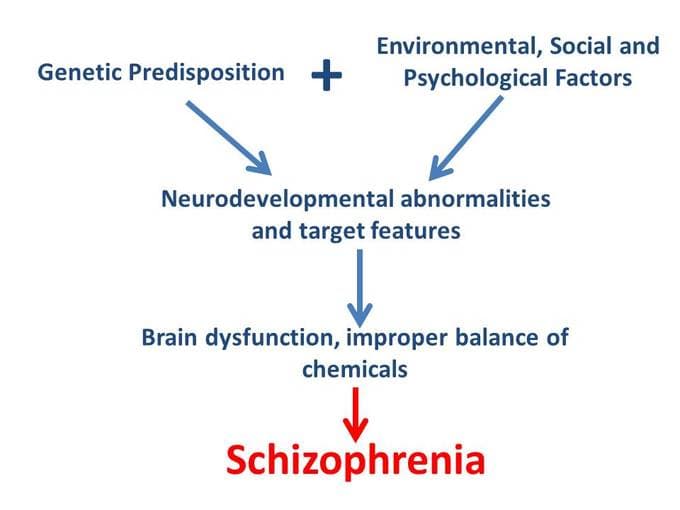
Schizophrenia Spectrum and Other Psychotic Disorders | Boundless Psychology View original
Is this image relevant?
Frontiers | A Comparison of Methamphetamine-Induced Psychosis and Schizophrenia: A Review of ... View original
Is this image relevant?
DSM 5 – Schizophrenia Spectrum and Bipolar Disorders – Psychology View original
Is this image relevant?
Schizophrenia Spectrum and Other Psychotic Disorders | Boundless Psychology View original
Is this image relevant?
Schizophrenia vs Other Psychotic Disorders
Each of these disorders shares some overlap with schizophrenia, but the differences in duration, symptom profile, and functional impairment set them apart.
- Schizophrenia
- Combination of positive symptoms (delusions, hallucinations) and negative symptoms (flat affect, avolition) persisting for at least 6 months
- Significant impairment in social and occupational functioning
- May include disorganized speech and behavior
- Schizoaffective disorder
- Combines symptoms of schizophrenia with a major mood episode (depression or mania)
- Mood symptoms are present for a substantial portion of the illness's total duration
- Psychotic symptoms must also occur for at least 2 weeks without prominent mood symptoms, which is what distinguishes it from a mood disorder with psychotic features
- Delusional disorder
- One or more delusions lasting at least 1 month
- Functioning is not markedly impaired, and behavior is not obviously bizarre apart from the delusion itself
- Hallucinations, if present, are minor and related to the delusional theme (e.g., tactile or olfactory)
- Brief psychotic disorder
- Sudden onset of psychotic symptoms lasting between 1 day and less than 1 month
- Often triggered by a major stressful life event
- Full return to the person's previous level of functioning after the episode resolves

Key Features of Schizoaffective Disorder
Schizoaffective disorder is one of the trickiest diagnoses in this unit because it sits right at the intersection of schizophrenia and mood disorders. The core challenge is proving that psychotic symptoms exist independently of mood episodes, not just alongside them.
Diagnostic criteria (DSM-5):
- An uninterrupted period of illness that includes a major mood episode (major depressive or manic) occurring at the same time as Criterion A symptoms of schizophrenia (delusions, hallucinations, disorganized speech, disorganized/catatonic behavior, or negative symptoms)
- Delusions or hallucinations for at least 2 weeks in the absence of prominent mood symptoms during the lifetime duration of the illness
- Symptoms meeting criteria for a major mood episode are present for the majority (more than 50%) of the total duration of the active and residual portions of the illness
Clinical features:
- Two subtypes: bipolar type (includes manic or mixed episodes) and depressive type (major depressive episodes only, no mania)
- Onset typically occurs in early adulthood (20s–30s)
- Course and prognosis are generally better than schizophrenia but worse than mood disorders alone
- Treatment usually combines antipsychotic medications with mood stabilizers (or antidepressants for the depressive type), along with psychotherapy
The 2-week rule is the key differentiator: if psychotic symptoms only appear during mood episodes, the diagnosis is more likely a mood disorder with psychotic features, not schizoaffective disorder.

Characteristics of Delusional Disorder
What makes delusional disorder unusual among psychotic disorders is how well the person can function. Outside of the specific delusion, their thinking, behavior, and daily life may appear largely normal. This is a sharp contrast to schizophrenia, where functioning is broadly impaired.
Core characteristics:
- One or more delusions (firmly held false beliefs maintained despite contradictory evidence) lasting at least 1 month
- No markedly impaired functioning or bizarre behavior apart from the delusion(s)
- Prominent hallucinations, disorganized speech, and disorganized or catatonic behavior are absent
- If mood episodes (depression, mania) co-occur, they are brief relative to the duration of the delusional periods
Subtypes:
- Erotomanic: Belief that another person, usually of higher status, is in love with the individual (also called de Clérambault's syndrome)
- Grandiose: Belief of inflated worth, power, knowledge, or a special relationship to a famous person or deity
- Jealous: Conviction that one's partner is unfaithful, despite lacking real evidence (also called Othello syndrome)
- Persecutory: Belief that one is being harassed, conspired against, or malevolently treated; this is the most common subtype
- Somatic: Delusions involving bodily functions or sensations (e.g., believing one is infested with parasites)
- Mixed: Features of more than one subtype with no single theme predominating
- Unspecified: Delusions that don't clearly fit any of the above categories
Brief Psychotic Disorder Diagnosis
Brief psychotic disorder is defined by its short duration and typically good outcome. Symptoms appear suddenly, often in response to overwhelming stress, and resolve within a month.
Diagnostic criteria (DSM-5):
Presence of one or more of the following:
- Delusions
- Hallucinations
- Disorganized speech (frequent derailment or incoherence)
- Grossly disorganized or catatonic behavior
Additional requirements:
- Duration is at least 1 day but less than 1 month, with eventual full return to premorbid functioning
- The disturbance is not better explained by major depressive or bipolar disorder with psychotic features, schizoaffective disorder, or schizophrenia
- Not attributable to the physiological effects of a substance (drug of abuse, medication) or another medical condition
Potential triggers:
- Severe psychosocial stress such as a traumatic event (assault, natural disaster, combat) or major life change (divorce, death of a loved one, job loss)
- The postpartum period, specifically within 4 weeks of delivery (specified as "brief psychotic disorder with postpartum onset")
- Substance use (cannabis, cocaine, amphetamines) or withdrawal (alcohol)
- Sleep deprivation or significant circadian rhythm disruption
Management:
- Short-term antipsychotic medication (e.g., risperidone, olanzapine, quetiapine) to control acute symptoms
- Supportive therapy and psychoeducation for the patient and family
- Identifying and addressing the psychosocial stressors that may have triggered the episode
- Monitoring for recurrence; if episodes repeat, maintenance treatment may be considered
Because brief psychotic disorder resolves within a month by definition, a clinician who sees psychotic symptoms persisting beyond 1 month needs to reconsider the diagnosis. If symptoms continue past 1 month but remain under 6 months, schizophreniform disorder becomes the likely diagnosis. Past 6 months, schizophrenia is on the table.
See Fiveable more often in Google
Mark Fiveable as a preferred source and Google is more likely to show you our guides in Top Stories, with a "preferred" badge in AI Mode and AI Overviews.