19.2 Technology and Mental Health

😵Abnormal Psychology Unit 19 Review
19.2 Technology and Mental Health
😵 Abnormal Psychology
Technology is revolutionizing mental health care. From telepsychology to mobile apps, these tools are making treatment more accessible and opening up new ways to monitor symptoms in real time. They also raise real challenges around privacy, equity, and the quality of the therapeutic relationship.
This section covers the major technologies being used in assessment and treatment, their benefits and limitations, the ethical issues they create, and where the field is heading next.
Technology in Mental Health Assessment and Treatment

Top images from around the web for Technology in mental disorder assessment
Frontiers | Telemedicine and Virtual Reality for Cognitive Rehabilitation: A Roadmap for the ... View original
Is this image relevant?
Frontiers | Proof of Concept of an Eclectic, Integrative Therapeutic Approach to Mental Health ... View original
Is this image relevant?
Frontiers | DJINNI: A Novel Technology Supported Exposure Therapy Paradigm for SAD Combining ... View original
Is this image relevant?
Frontiers | Telemedicine and Virtual Reality for Cognitive Rehabilitation: A Roadmap for the ... View original
Is this image relevant?
Frontiers | Proof of Concept of an Eclectic, Integrative Therapeutic Approach to Mental Health ... View original
Is this image relevant?
Technology in mental disorder assessment
Telepsychology and telepsychiatry deliver mental health services remotely through video conferencing, phone calls, or messaging. These approaches have dramatically increased access to care for people in rural communities, those with chronic illnesses that limit mobility, and anyone who would otherwise face long wait times for local providers.
Mobile apps and online platforms serve several functions in mental health care:
- Mood tracking and symptom monitoring, where users log daily experiences so clinicians can spot trends over time
- Guided self-help interventions that teach techniques from cognitive-behavioral therapy (CBT) or mindfulness
- Virtual peer support through online forums and support groups, which can reduce isolation between sessions
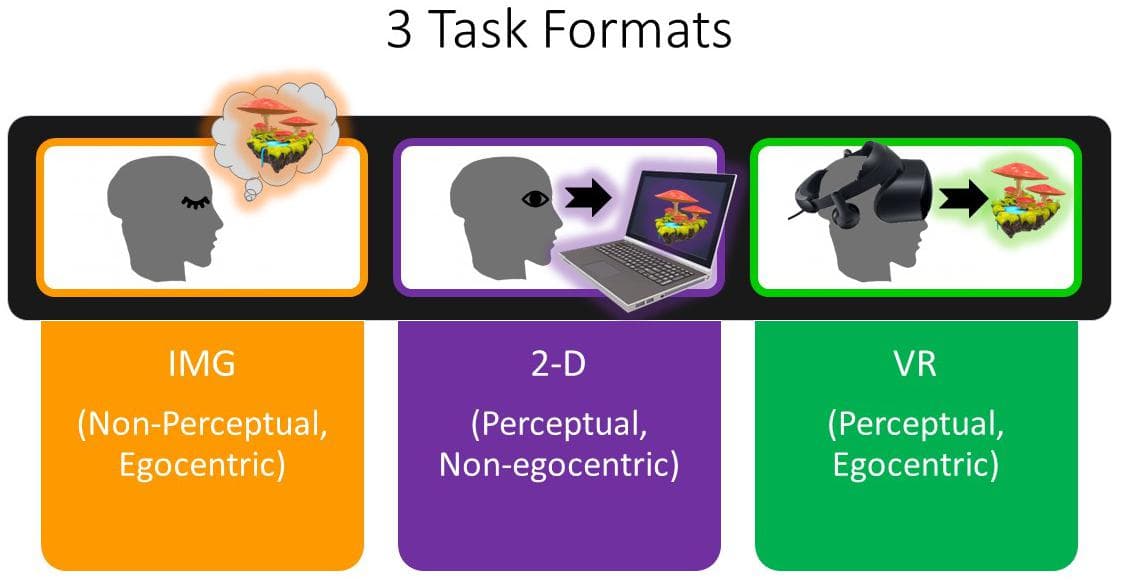
Virtual reality exposure therapy (VRET) places patients in computer-simulated environments that recreate feared situations. A person with social anxiety might practice giving a speech to a virtual audience, while someone with agoraphobia might navigate a crowded virtual marketplace. VRET is used to treat anxiety disorders, PTSD, and specific phobias, and it gives clinicians precise control over the intensity of exposure.
Computerized cognitive training uses structured games and exercises targeting specific cognitive functions like working memory and visual recognition. Researchers are exploring its potential for addressing cognitive deficits in conditions like schizophrenia, though evidence for its effectiveness is still developing.

Benefits vs limitations of mental health tech
Benefits:
- Increased accessibility by removing geographical barriers and offering flexible scheduling. Someone in a town with no psychiatrist can now see one weekly over video.
- Reduced stigma, since treatment can happen privately from home without anyone knowing you're seeking help
- Lower cost compared to traditional in-person therapy, due to reduced overhead and the ability to scale interventions (one app can serve thousands of users)
- Real-time monitoring and early intervention through continuous symptom tracking and timely feedback to both patients and providers
Limitations:
- Weakened therapeutic alliance, since remote sessions lose nonverbal cues like body language and subtle facial expressions that help clinicians read their patients
- Privacy and security risks around sensitive patient data stored on digital platforms, including the possibility of data breaches
- The digital divide, meaning unequal access to reliable internet and devices, which disproportionately affects low-income, elderly, and rural populations
- Limited evidence base for many app-based and online interventions. Just because an app is available doesn't mean it's been rigorously tested for efficacy.

Ethics of technology in abnormal psychology
Informed consent requires that patients clearly understand the risks, benefits, and limitations of technology-based care before starting. This includes explaining that data breaches are possible, that remote sessions lack certain qualities of in-person interaction, and that mental health apps are not a replacement for professional treatment. Many users overestimate what an app can do, so clinicians need to address those expectations directly.
Confidentiality and data security mean protecting patient information from unauthorized access. In the U.S., digital mental health platforms must comply with HIPAA (Health Insurance Portability and Accountability Act), which sets standards for how health data is stored, transmitted, and shared. Not all mental health apps meet these standards, which is a significant concern.
Competence and training require that mental health professionals actually know how to use these technologies effectively. Conducting therapy over video, for instance, involves different skills than in-person work. Clinicians need ongoing training to stay current with both the technology and the research behind it.
Boundary issues can become tricky in remote settings. When a therapist is reachable by text or app message, questions arise about availability outside scheduled sessions. Clear guidelines around communication methods and expected response times help maintain appropriate therapeutic boundaries.
Future Directions in Technology and Mental Health
Future of tech in mental health
Artificial intelligence and machine learning can process massive datasets to identify patterns that humans might miss. For example, AI models are being developed to predict which patients are at higher risk for relapse or which treatment approach is most likely to work for a given individual based on their specific characteristics, including their genetic profile.
Wearable devices and sensors enable continuous, passive monitoring of physiological and behavioral data. Actigraphy (movement tracking) can measure sleep patterns, while other sensors track heart rate variability and physical activity levels. For conditions like bipolar disorder, changes in these data streams could signal an approaching manic or depressive episode before the patient is fully aware of it, allowing for earlier intervention.
Digital phenotyping takes this a step further by analyzing smartphone data you're already generating. Patterns in screen time, GPS location data, typing speed, and even social media language can be used to assess mental health status passively. Researchers have found, for instance, that changes in how much someone moves around their city or how often they text can correlate with depression severity.
Integration with precision medicine aims to combine all of these technology-based assessments with genetic data (like pharmacogenomics, which predicts how you'll respond to specific medications) and neuroimaging data (like fMRI brain scans) to build a comprehensive, individualized treatment plan. The goal is moving away from trial-and-error prescribing toward targeted interventions matched to each person's unique biological and psychological profile.
See Fiveable more often in Google
Mark Fiveable as a preferred source and Google is more likely to show you our guides in Top Stories, with a "preferred" badge in AI Mode and AI Overviews.