16.2 Ecosystems and Environmental Concerns

🗺️World Geography Unit 16 Review
16.2 Ecosystems and Environmental Concerns
🗺️ World Geography
Adaptations in Polar Environments
Polar ecosystems are shaped by extreme cold, limited sunlight, and short growing seasons. The organisms that survive here have evolved highly specific adaptations, which also makes these ecosystems unusually fragile when conditions change.

Top images from around the web for Flora Adaptations
Arctic Plants | BC Reads: Adult Literacy Fundamental English – Course Pack 1 View original
Is this image relevant?
Photosynthesis – Classroom Partners View original
Is this image relevant?
Purple Saxifrage | Saxifraga oppositifolia. Arctic flowers h… | Flickr View original
Is this image relevant?
Arctic Plants | BC Reads: Adult Literacy Fundamental English – Course Pack 1 View original
Is this image relevant?
Photosynthesis – Classroom Partners View original
Is this image relevant?
Flora Adaptations
Arctic and Antarctic plants face the same core challenge: conserving energy and heat in an environment that offers very little of either.
- Small, compact growth forms keep plants close to the ground, reducing exposure to freezing winds. Arctic willow, for example, rarely grows taller than a few centimeters.
- Dark-colored leaves absorb more heat from the limited sunlight available during polar summers.
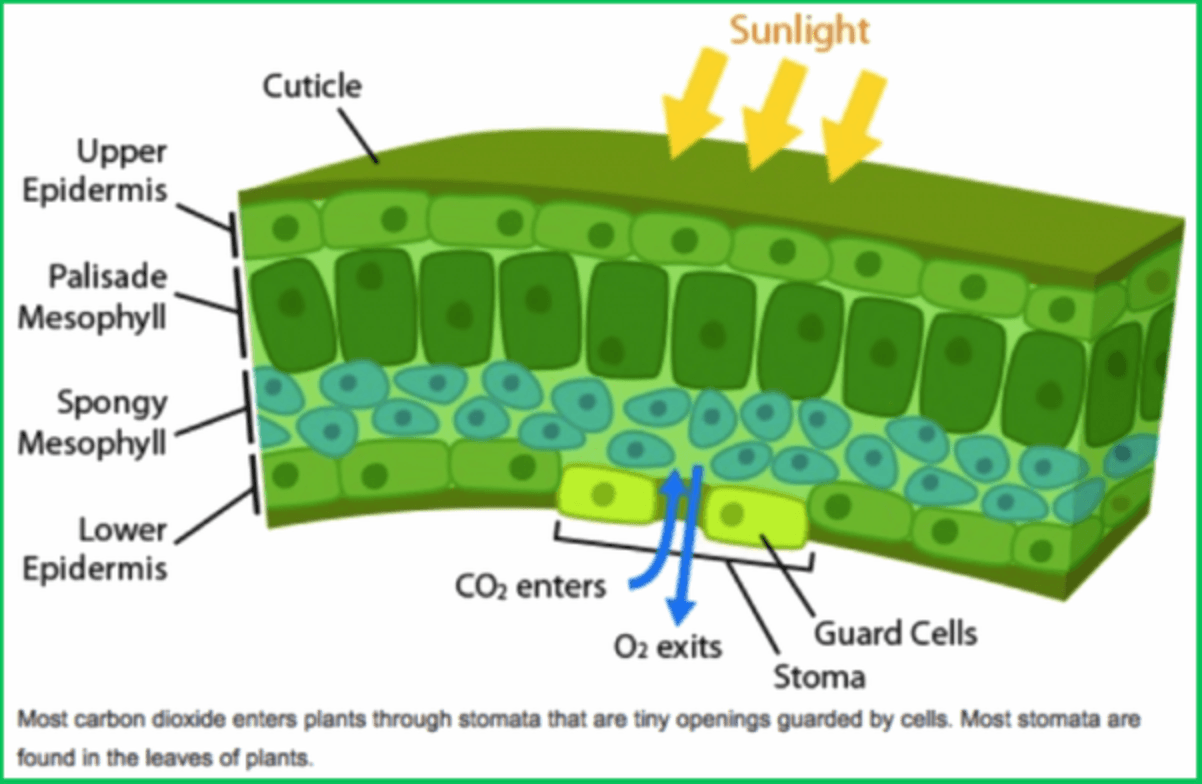
- Many polar plants can photosynthesize under very low light, allowing them to make the most of the brief growing season.
- Arctic flora includes mosses, lichens, and dwarf shrubs. Antarctic flora is even more limited, consisting primarily of algae, lichens, and mosses that cling to the small ice-free areas available.
Fauna Adaptations
Polar animals face intense cold and long stretches without food. Their adaptations center on insulation, energy efficiency, and mobility.
- Thick fur or feathers provide insulation. Polar bears have a dense undercoat beneath water-repellent guard hairs, while Arctic foxes grow thicker winter coats that also change color for camouflage.
- Compact body shapes minimize heat loss by keeping the surface-area-to-volume ratio low. This is why Arctic mammals tend to have shorter ears and limbs compared to their temperate relatives.
- Fat storage is critical. Antarctic species like penguins, seals, and whales rely on thick layers of blubber both for insulation and as energy reserves during lean periods.
- Migration allows many species to exploit seasonal food sources. Arctic terns travel from Arctic to Antarctic and back each year, covering roughly 70,000 km. Caribou herds migrate hundreds of kilometers to reach summer calving grounds.
Fragility of Polar Ecosystems
Sensitivity to Environmental Changes
Because polar species have evolved for such narrow conditions, even small shifts in temperature or ice cover can have outsized effects. These ecosystems often show the impacts of climate change and pollution before other regions do, making them early warning systems for global environmental health.
Species in polar regions occupy narrow ecological niches. A plant adapted to grow in a two-month window, or a predator that hunts exclusively on sea ice, has very little flexibility if those conditions shift.

Global Importance
Polar regions matter far beyond their borders:
- Climate regulation: Ice sheets and snow reflect solar radiation back into space (the albedo effect), helping cool the planet. Polar oceans drive global circulation patterns, and Arctic soils and ice store large amounts of carbon.
- Unique biodiversity: Both poles host endemic species found nowhere else, contributing to global genetic diversity.
- Indigenous livelihoods: Arctic ecosystems support Indigenous communities whose cultures and economies depend on hunting, fishing, and herding.
- Sea-level influence: Melting of polar ice caps and glaciers directly contributes to sea-level rise. The Greenland and Antarctic ice sheets together hold enough ice to raise global sea levels by over 65 meters if fully melted.
Threats to Polar Regions
Climate Change
Climate change is the most significant threat to both poles. Rising temperatures are melting sea ice, thawing permafrost, and shifting precipitation patterns. These changes disrupt the conditions that polar species depend on, from the timing of ice formation to the availability of food.
Pollution
- Oil and gas activity in the Arctic brings risks of oil spills, noise pollution, and direct habitat disturbance. Oil spills in cold water are especially damaging because low temperatures slow the natural breakdown of oil.
- Persistent organic pollutants (POPs) and heavy metals travel long distances through atmospheric and ocean currents and accumulate in polar regions. These toxins build up through the food chain (bioaccumulation), reaching high concentrations in top predators and posing health risks to both wildlife and Indigenous peoples who rely on traditional diets.

Overexploitation
- Overfishing in polar waters depletes fish stocks and disrupts marine food webs. Species higher up the food chain, like seals and penguins, lose critical prey.
- Tourism and research activity are increasing in both the Arctic and Antarctica. More human presence can disturb habitats, generate pollution, and introduce invasive species that outcompete native organisms.
Ocean Acidification
As the ocean absorbs more atmospheric carbon dioxide, seawater becomes more acidic. This threatens calcifying organisms like pteropods (tiny sea snails) and cold-water corals, which struggle to build and maintain their shells and skeletons in acidic conditions. Since these organisms sit near the base of polar marine food webs, their decline has cascading effects on the species that eat them.
Climate Change Impacts on Polar Regions
Sea Ice Reduction
Rising temperatures cause sea ice to melt earlier in spring and form later in autumn. This shrinks the habitat available to ice-dependent species like polar bears, walruses, and ringed seals. Polar bears, for instance, rely on sea ice as a platform for hunting seals; less ice means less hunting time and declining body condition.
Changes in ice extent also affect ice algae, which grow on the underside of sea ice and form the foundation of the Arctic marine food web. Less ice means less algae, with ripple effects through the entire ecosystem.
Ecosystem Disruption
- Species range shifts: Warmer temperatures allow sub-Arctic species (like red foxes) to expand northward, increasing competition with and predation on native Arctic species (like Arctic foxes).
- Permafrost thaw: Melting permafrost releases stored carbon dioxide and methane into the atmosphere, amplifying global warming in a feedback loop. It also destabilizes the ground, altering drainage patterns, soil conditions, and vegetation.
- Disrupted breeding and foraging: Changing precipitation and more frequent extreme weather events throw off the timing of breeding seasons and food availability, reducing reproductive success for many species.
Marine Food Web Alterations
Two processes are reshaping polar marine food webs simultaneously:
- Ocean acidification impairs shell-building organisms, weakening a key link in the food chain.
- Loss of sea ice and shifting ocean currents alter the distribution and abundance of krill, a keystone species in Antarctic waters. Krill populations depend on sea ice algae during their larval stages. Declining krill numbers directly affect whales, seals, penguins, and seabirds that rely on them as a primary food source.
These changes don't happen in isolation. They compound each other, making polar marine ecosystems increasingly unstable.
See Fiveable more often in Google
Mark Fiveable as a preferred source and Google is more likely to show you our guides in Top Stories, with a "preferred" badge in AI Mode and AI Overviews.