6.3 Media representation and its influence on gender norms

🚻Intro to Gender Studies Unit 6 Review
6.3 Media representation and its influence on gender norms
🚻 Intro to Gender Studies
Media Representation and Gender Norms
Media is one of the most powerful forces shaping how people understand gender. From childhood cartoons to Instagram feeds, the patterns we see repeated across media teach us what's "normal" for different genders. Understanding how this works is central to gender studies because media doesn't just reflect culture; it actively constructs and reinforces gender norms.

Top images from around the web for Gender roles in media portrayal
Meeting Point: 2016 View original
Is this image relevant?
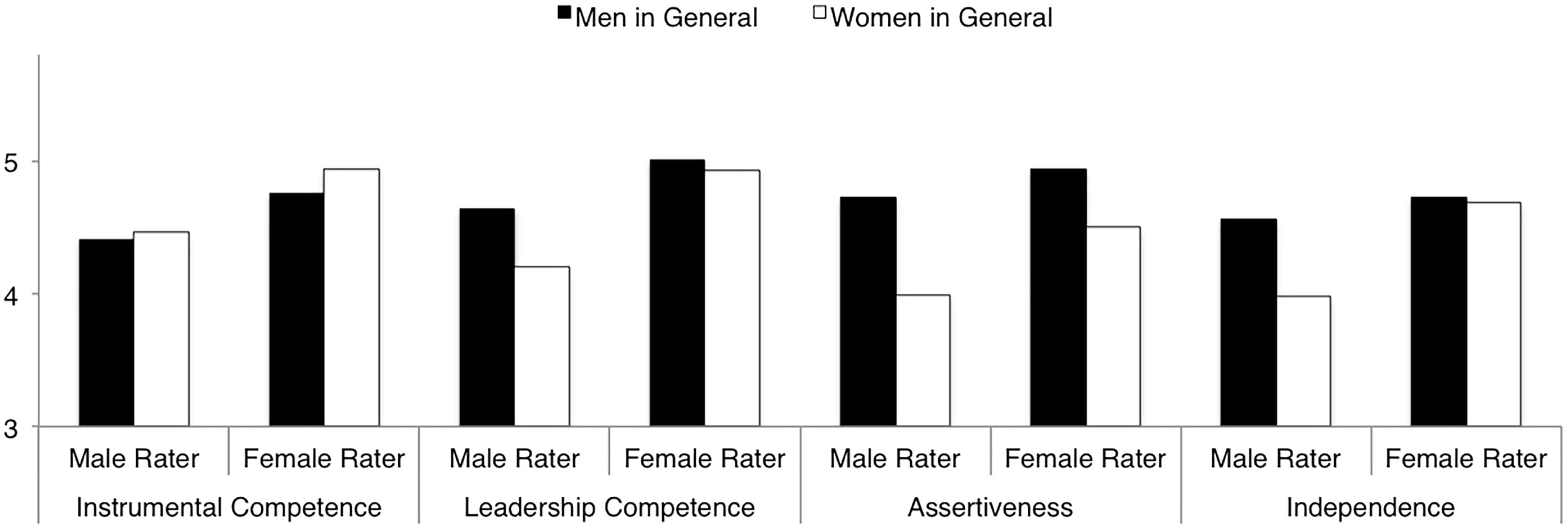
Frontiers | The Multiple Dimensions of Gender Stereotypes: A Current Look at Men’s and Women’s ... View original
Is this image relevant?
Frontiers | Evolved but Not Fixed: A Life History Account of Gender Roles and Gender Inequality View original
Is this image relevant?
Meeting Point: 2016 View original
Is this image relevant?
Frontiers | The Multiple Dimensions of Gender Stereotypes: A Current Look at Men’s and Women’s ... View original
Is this image relevant?
Gender Roles in Media Portrayal
Traditional gender stereotypes show up across nearly every media form, and they tend to follow predictable patterns.
How women are typically portrayed:
- Nurturing, emotional, and focused on physical appearance (think magazine covers, reality TV)
- Shown in caregiving or subordinate positions like nurses, secretaries, or supportive wives
- Presented as thin, young, and conventionally attractive, especially in fashion and beauty advertising
- Often written as passive, submissive, or dependent on male characters, particularly in romantic comedies
How men are typically portrayed:
- Strong, aggressive, and emotionally stoic, especially in action movies and video games
- Placed in leadership roles and high-powered careers like CEOs, politicians, or military commanders
- Depicted as muscular, tall, and physically imposing (superhero franchises, fitness advertising)
- Written as assertive, dominant, and self-reliant problem-solvers
These aren't random choices. They reflect and reinforce a broader cultural script about what each gender is "supposed" to be. When the same patterns repeat across thousands of shows, ads, and films, they start to feel like natural facts rather than constructed stereotypes.

Media Influence on Gender Expectations
The real concern isn't any single movie or ad. It's the cumulative effect of consuming these messages over a lifetime.
Internalization of norms: Repeated exposure to stereotypical portrayals leads people to accept traditional gender roles as normal. You don't consciously decide to adopt these expectations; they seep in through sheer repetition. This affects everything from how people dress to what careers they consider realistic for themselves.
Self-esteem and body image: Unrealistic beauty standards hit particularly hard. Research consistently shows that exposure to idealized media images correlates with lower body satisfaction, especially among women and girls. Men and boys face increasing pressure too, as media promotes narrow standards of muscularity and toughness. When people can't match these ideals, it contributes to feelings of inadequacy.
Reinforcing gender inequality: When media consistently places men in positions of power and authority while showing women in supporting roles, it normalizes those power imbalances. This can limit what people see as possible for themselves, narrowing career aspirations and life goals.
Shaping relationship expectations: Media depictions of romance influence what people expect from real relationships. Tropes like "love at first sight" or the idea that persistence always wins someone over can set up unrealistic or even unhealthy expectations. Possessiveness gets framed as passion, and poor communication gets played for laughs in sitcoms, normalizing dynamics that cause real harm.

Diverse Gender Identities in Media
Mainstream media has historically either ignored or misrepresented non-binary and transgender identities. When trans or non-binary characters do appear, they've often been reduced to stereotypes: the villain, the punchline, or the tragic figure. This limited visibility contributes directly to a lack of public understanding and acceptance.
Intersectionality matters here too. Representation at the intersection of gender, race, ethnicity, and sexuality remains especially thin. LGBTQ+ people of color, for example, are far less likely to see themselves reflected in media. When they do appear, portrayals tend to be one-dimensional, relying on stereotypes like the "sassy gay best friend" rather than showing full, complex characters.
There's meaningful progress happening, though. Shows like Pose, Disclosure (a documentary about trans representation in Hollywood), and Heartstopper have brought more authentic, multi-dimensional portrayals to wider audiences. This kind of representation does more than entertain. It provides role models, validates lived experiences, and shifts societal attitudes toward greater acceptance.
Media Literacy for Gender Content
Media literacy means developing the skills to critically analyze the messages media sends about gender, rather than absorbing them passively. Here's what that looks like in practice:
-
Recognize stereotypes as they appear. When you're watching a show or scrolling through ads, notice the patterns. Who holds power? Who's decorative? Who speaks, and who listens? Naming the pattern is the first step to seeing through it.
-
Analyze the impact of those messages. Ask how a particular piece of media reinforces or challenges traditional gender roles. Children's programming is a good place to start, since kids are especially susceptible to internalizing these messages before they have the tools to question them.
-
Seek out diverse perspectives. Actively choose media that portrays a range of gender identities and experiences. Independent films, podcasts by marginalized creators, and international media all offer alternatives to mainstream narratives.
-
Advocate for better representation. This can be as simple as supporting creators who prioritize equitable portrayals, or as organized as participating in campaigns that push media companies toward more inclusive content. Social media has given audiences a direct channel to hold studios and advertisers accountable.
The goal of media literacy isn't to stop enjoying media. It's to engage with it critically so that the gender norms it promotes don't go unquestioned.
See Fiveable more often in Google
Mark Fiveable as a preferred source and Google is more likely to show you our guides in Top Stories, with a "preferred" badge in AI Mode and AI Overviews.