2.2 Cultural variations in gender norms and expectations

🚻Intro to Gender Studies Unit 2 Review
2.2 Cultural variations in gender norms and expectations
🚻 Intro to Gender Studies
Cultural Variations in Gender Norms and Expectations

Top images from around the web for Cultural variations in gender norms
Socialization and Human Sexuality | Boundless Sociology View original
Is this image relevant?
Gender systems - Wikipedia View original
Is this image relevant?
File:Pure Diversity, Mirta Toledo 1993.jpg - Wikimedia Commons View original
Is this image relevant?
Socialization and Human Sexuality | Boundless Sociology View original
Is this image relevant?
Gender systems - Wikipedia View original
Is this image relevant?
Cultural variations in gender norms
Gender roles and expectations look very different depending on where you are in the world. These differences show up in how labor is divided, what people wear, and how they're expected to interact with each other.
Division of labor is one of the clearest examples. In many societies, women are expected to handle domestic tasks like cooking and childcare, while men do paid work outside the home. But this isn't universal. Some societies divide labor more equally, with both men and women sharing household responsibilities and participating in the workforce.
Clothing and appearance norms also vary. Some cultures enforce strict dress codes tied to gender, such as requirements for women to cover their hair or body in certain Islamic traditions. Others allow much more flexibility in how people express gender through clothing.
Social interactions carry gendered expectations too. Depending on the culture, men may be expected to be assertive while women are expected to be deferential. Emotional expression differs as well: some cultures encourage stoicism in men, while others are more accepting of emotional openness across genders.
A few well-known examples of cultural variation:
- Matrilineal societies like the Mosuo in China, where women hold primary authority in family and community decisions and property passes through the maternal line
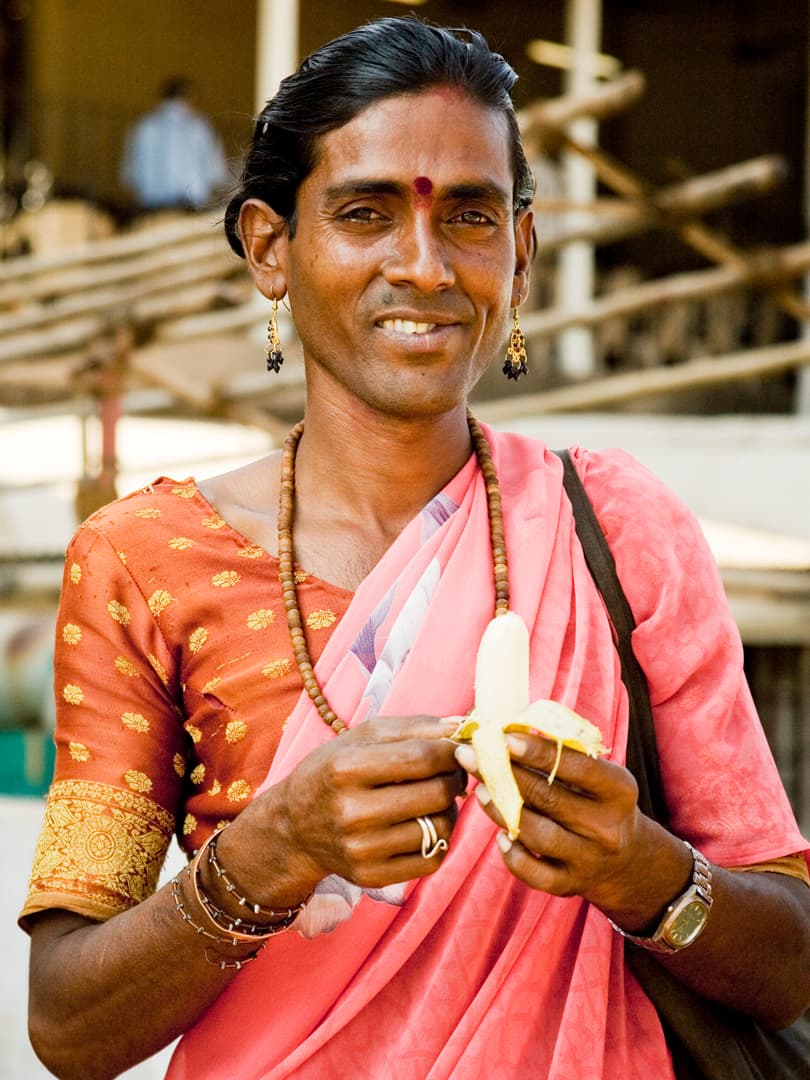
- Recognized third genders, such as the Hijras in India, who have a long cultural history and are traditionally associated with spiritual roles, or the Fa'afafine in Samoa, who are assigned male at birth but take on feminine social roles
- Strict gender segregation in some conservative societies, where men and women occupy separate social spheres, including gender-segregated schools, workplaces, and public spaces

Factors shaping gender expectations
Gender norms don't appear out of nowhere. Several forces work together to create and maintain them.
- Historical and cultural traditions: Long-standing beliefs and customs shape what a society considers "normal" for men and women. Religious and philosophical systems play a big role here. For example, Confucianism's emphasis on filial piety reinforces a gender hierarchy within families.
- Economic and political structures: How resources and power are distributed matters. In patriarchal systems, men typically control property, hold political office, and serve as primary breadwinners, which reinforces traditional gender roles. When women have limited property rights or political representation, those structures keep existing norms in place.
- Socialization and education: From an early age, families, schools, media, and peer groups teach children what's expected of their gender. This can be as simple as the toys children are given or how differently adults respond to boys versus girls. Peer pressure to conform to masculine or feminine ideals continues through adolescence and adulthood.
- Globalization and cultural exchange: As people encounter different gender norms through media, migration, and trade, expectations can shift. Western feminist movements, for instance, have influenced gender discourse globally. At the same time, globalization can trigger backlash when people perceive changing norms as threats to traditional values.

Impact of diverse gender norms
The gender norms a person lives under have real consequences across multiple areas of life.
- Individual well-being: Rigid gender expectations can limit self-expression and harm mental health. People who don't fit neatly into their culture's gender norms may face social stigma, and those experiencing gender dysphoria often struggle in environments with inflexible expectations. Even people who do conform may feel constrained, like men who are discouraged from pursuing interests or careers seen as feminine.
- Access to opportunities: Gender norms shape who gets educated, what careers are seen as appropriate, and who earns what. The persistent gender wage gap and the underrepresentation of women in leadership positions and STEM fields are direct consequences of gendered expectations about ability and ambition.
- Social cohesion and conflict: Shared gender norms can create a sense of collective identity within a community. But when traditional and progressive views on gender clash within a society, real tensions can emerge between groups with different visions of how gender should work.
- Progress toward gender equality: Challenging restrictive norms has historically driven social change, from women's suffrage movements to advocacy for LGBTQ+ rights. However, resistance to these changes remains a significant barrier, with opposition to gender-inclusive policies slowing progress in many parts of the world.
Cross-cultural gender understanding
Studying gender across cultures is valuable, but it comes with real tensions you should be aware of.
Challenges:
- Ethnocentrism vs. cultural relativism: This is a genuine dilemma. Judging another culture's gender norms by your own standards (ethnocentrism) can lead to misunderstanding and cultural imposition. But treating all gender practices as equally valid just because they're culturally embedded (uncritical cultural relativism) can mean ignoring harmful practices like child marriage or female genital cutting. There's no easy resolution, and scholars in gender studies actively debate where to draw the line.
- Language and communication barriers: Gender concepts don't always translate across languages and cultures. Terms like "non-binary" or "intersectionality" may not have direct equivalents, and even something as basic as gendered pronouns works differently across languages.
Opportunities:
- Greater empathy and understanding: Engaging with how other cultures think about gender broadens your perspective and helps you see that your own culture's norms are not inevitable or "natural." Cross-cultural dialogue, whether through international conferences or everyday conversations, builds mutual respect.
- Collaborative action: Sharing strategies across cultures strengthens global efforts toward gender equality. International frameworks like the UN's conventions on women's rights create space for this, and transnational feminist networks amplify voices that might otherwise go unheard.
- Innovation: Seeing how other societies handle gender can inspire new approaches. A gender equality initiative that works in one cultural context can be adapted for another, and cross-cultural exchange through social media and activist networks continues to drive social change worldwide.
See Fiveable more often in Google
Mark Fiveable as a preferred source and Google is more likely to show you our guides in Top Stories, with a "preferred" badge in AI Mode and AI Overviews.