15.3 Intersectional approaches to future gender equality efforts

🚻Intro to Gender Studies Unit 15 Review
15.3 Intersectional approaches to future gender equality efforts
🚻 Intro to Gender Studies
Intersectionality and Gender Equality
Intersectionality is a framework for understanding how overlapping social identities and systems of oppression shape a person's experiences and opportunities. For gender studies, it's essential because it reveals that "gender inequality" doesn't look the same for everyone. A white cisgender woman, a Black transgender woman, and a disabled queer woman may all face gender-based discrimination, but the specific barriers they encounter differ dramatically depending on how gender intersects with race, class, ability, sexuality, and other factors.

Top images from around the web for Definition of intersectionality
Theoretical Perspectives of Race and Ethnicity | Introduction to Sociology View original
Is this image relevant?
Intersectionality - Competendo - Digital Toolbox View original
Is this image relevant?
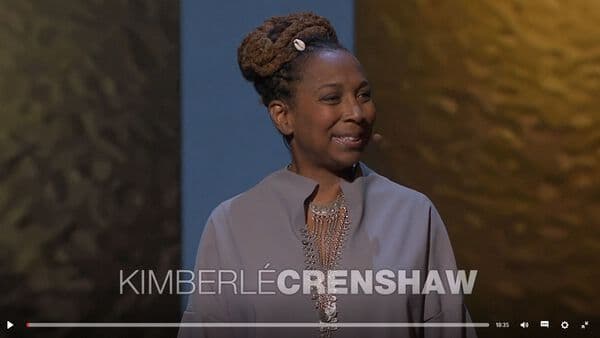
Kimberlé Crenshaw | Foto: Mohamed Badarne, CC-BY-SA-4.0 | Heinrich-Böll-Stiftung | Flickr View original
Is this image relevant?
Theoretical Perspectives of Race and Ethnicity | Introduction to Sociology View original
Is this image relevant?
Intersectionality - Competendo - Digital Toolbox View original
Is this image relevant?
Definition of Intersectionality
The term was coined by legal scholar Kimberlé Crenshaw in 1989 to describe the unique challenges Black women face at the intersection of racism and sexism. Crenshaw argued that existing legal and social frameworks treated race and gender as separate categories, which made the specific experiences of Black women invisible.
Intersectionality matters for gender studies and advocacy because it:
- Recognizes that gender inequality can't be fully understood in isolation from other forms of discrimination like racism, classism, and ableism
- Highlights the diversity of experiences within gender categories, challenging essentialist ideas that all women (or all men, or all non-binary people) share the same reality. Trans women, for instance, face forms of discrimination that cisgender women typically do not.
- Pushes for comprehensive approaches to gender equality that account for multiple, overlapping barriers such as poverty, immigration status, and sexual orientation

Principles of Intersectional Approaches
Acknowledging interconnected identities and systems. Gender, race, class, sexuality, ability, and other factors don't operate independently. They interact to shape a person's access to power and resources. A Black queer woman's experience isn't just "racism + sexism + homophobia" added together; those forces compound and reshape each other in distinct ways.
Centering marginalized voices. Intersectional work prioritizes the perspectives and leadership of people most affected by overlapping discrimination, such as Indigenous women or transgender people of color. This also means challenging dominant narratives that exclude certain groups. Eurocentric feminism, for example, has historically centered white women's concerns while marginalizing the priorities of women of color.
Rejecting single-axis analysis. A person's experience can't be reduced to just one aspect of their identity. A Muslim woman navigating workplace discrimination may face a combination of religious prejudice and sexism that neither category alone captures. Concepts like colorism (discrimination based on skin shade within racial groups) and transmisogyny (the intersection of transphobia and misogyny) illustrate how oppressions interact in specific, compounding ways.
Promoting solidarity and coalition-building. Intersectional approaches encourage alliances across movements by identifying shared struggles and common goals. Reproductive justice advocates, disability rights organizers, and racial justice movements often find overlapping concerns that make coalition work both practical and powerful.

Applying Intersectionality in Practice
Case Studies
The #SayHerName campaign draws attention to police violence against Black women and girls. Mainstream conversations about police brutality have historically focused on Black men, effectively erasing cases like those of Sandra Bland and Breonna Taylor. #SayHerName highlights how the intersection of racism and sexism shapes Black women's experiences of state-sanctioned violence in ways that go unrecognized when race and gender are analyzed separately.
Inclusive workplace initiatives go beyond generic diversity efforts to address the specific barriers faced by women of color, LGBTQ+ individuals, and people with disabilities. Standard diversity programs can fall into tokenism or fail to address accessibility needs. More intersectional approaches use targeted strategies like mentorship programs, employee resource groups, and bias training designed around the actual experiences of underrepresented groups.
Reproductive justice movements expand the conversation beyond individual "choice" to examine the social, economic, and political conditions that shape reproductive decision-making. This includes confronting environmental racism in communities where pollution affects maternal health, the history of forced sterilization targeting women of color and disabled women, and family separation policies affecting immigrant communities. The framework connects reproductive rights to poverty, environmental justice, and immigration policy.
Strategies for Building Intersectional Initiatives
Using the example of underrepresentation of women in STEM fields:
-
Identify the issue. Define the specific gender-related challenge you want to address.
-
Conduct an intersectional analysis. Look at how different social identities and systems of oppression contribute to the problem. Examine disaggregated data on outcomes for women of color, LGBTQ+ women, and women with disabilities in STEM. Engage directly with affected communities through focus groups and community partnerships to understand barriers and potential solutions from their perspective.
-
Develop a comprehensive, multi-layered strategy. Address the intersecting factors rather than treating gender as the only variable.
- Create targeted outreach and recruitment efforts like scholarships and pipeline programs for underrepresented groups
- Offer mentorship and professional development that responds to the specific needs of different groups, such as affinity networks and accessible events
- Advocate for institutional changes: addressing bias in hiring and promotion, improving work-life balance policies, and increasing physical and digital accessibility
-
Build partnerships across movements. Collaborate with organizations that share a commitment to intersectional equity, such as the National Society of Black Engineers or the Society of Women Engineers. Participate in broader coalitions connecting gender equity to racial justice, LGBTQ+ rights, and disability rights.
-
Evaluate and adapt continuously. Collect data and solicit feedback from participants through surveys, interviews, and longitudinal studies. Stay responsive to new challenges and evolving best practices. Build in mechanisms for community accountability so the initiative remains relevant and genuinely transformative over time.
See Fiveable more often in Google
Mark Fiveable as a preferred source and Google is more likely to show you our guides in Top Stories, with a "preferred" badge in AI Mode and AI Overviews.