15.1 Emerging topics in gender studies research

🚻Intro to Gender Studies Unit 15 Review
15.1 Emerging topics in gender studies research
🚻 Intro to Gender Studies
Contemporary Gender Studies Research
Gender studies research continues to expand into areas that challenge traditional frameworks for understanding gender. Three major emerging directions are intersectionality, transgender studies, and masculinity studies. Each of these broadens the field by addressing complex inequalities, centering marginalized voices, and pushing for more inclusive approaches to social justice.
Understanding these new research directions matters because they directly inform policies and practices across education, healthcare, and the workplace. They also reveal how gender doesn't operate in isolation; it intersects with race, class, disability, sexuality, and other identity categories in ways that shape people's lived experiences.

Top images from around the web for Cutting-edge gender studies research
Theoretical Perspectives of Race and Ethnicity | Introduction to Sociology View original
Is this image relevant?
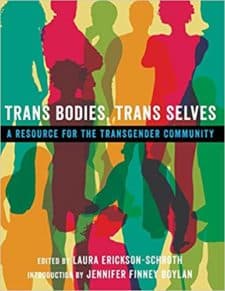
Research Resources | LGBTQ+ Studies: An Open Textbook View original
Is this image relevant?
Research Resources | LGBTQ+ Studies: An Open Textbook View original
Is this image relevant?
Theoretical Perspectives of Race and Ethnicity | Introduction to Sociology View original
Is this image relevant?
Research Resources | LGBTQ+ Studies: An Open Textbook View original
Is this image relevant?
Cutting-Edge Gender Studies Research
Intersectionality examines how social categories like race, class, and gender overlap and interact within a person's life. Rather than treating these categories separately, intersectionality shows how they create interdependent systems of privilege or disadvantage. For example, a Black woman's experience of workplace discrimination may differ significantly from that of a white woman or a Black man, because race and gender compound each other.
Transgender studies focuses on the experiences, identities, and representations of transgender and gender non-conforming people. This field investigates gender identity, expression, and transition, along with the social, legal, and medical dimensions of gender diversity. Key concerns include access to gender-affirming healthcare and legal recognition of gender identity.
Masculinity studies analyzes how masculinity is socially constructed and performed across different cultures and contexts. It examines the diverse experiences of men and masculinities, challenging rigid notions of manhood. This includes research on topics like toxic masculinity (the harmful enforcement of narrow masculine norms) and alternative masculinities that offer healthier models for how men relate to others.

Impact of Emerging Research Topics
Broadening the scope of gender studies:
- Intersectionality expands the field by showing that gender inequality can't be fully understood without also considering race, class, and other social categories. Studying race and gender together in the workplace, for instance, reveals patterns of discrimination that single-axis analysis would miss.
- Transgender studies challenges the binary conception of gender (male/female only) and pushes for more inclusive frameworks. Concepts like non-binary identities and gender fluidity have reshaped how researchers think about gender as a spectrum rather than a fixed category.
Challenging traditional gender norms and stereotypes:
- Masculinity studies deconstructs dominant ideas about what it means to "be a man," highlighting how rigid expectations harm men themselves. Research on men's mental health, for example, shows that pressure to suppress emotions contributes to higher rates of suicide among men.
- Transgender studies questions the rigidity of gender categories and advocates for greater self-determination. Practical outcomes include growing adoption of gender-neutral pronouns and the creation of gender-inclusive spaces in schools and workplaces.
Promoting social justice and equity:
- Intersectionality emphasizes that multiple forms of oppression must be addressed simultaneously. Gender inequality is linked to racial and economic injustice, so solutions that focus on only one axis of identity will inevitably leave people behind.
- Transgender studies advocates for the rights and well-being of transgender individuals by challenging discrimination and pushing for inclusive policies, such as access to gender-affirming healthcare and legal protections against discrimination.

Significance of New Research Directions
Addressing persistent inequalities:
- Intersectionality provides a framework for understanding systemic oppression. It helps researchers identify how gender-based pay gaps and health disparities are compounded by race, class, and other factors.
- Masculinity studies sheds light on how rigid masculine norms perpetuate gender-based violence. This research supports prevention efforts, such as programs addressing sexual assault and promoting healthy relationship models.
Amplifying marginalized voices:
- Transgender studies centers the perspectives of transgender people, who have historically been excluded from mainstream gender discourse. This includes advocating for transgender representation in media and transgender leadership in activist movements.
- Intersectionality prioritizes the experiences of those facing multiple, overlapping forms of oppression, ensuring that communities like women of color and LGBTQ+ refugees are not sidelined in the pursuit of gender equality.
Informing policy and practice:
Insights from all three areas can guide more inclusive policies across many domains. Examples include gender-inclusive school curricula, transgender-affirming healthcare protocols, and workplace diversity initiatives that account for intersecting identities.
Research Proposal for Emerging Topics
Proposal: Investigating the Experiences of Transgender College Students
- Objective: Explore the challenges transgender students face in higher education and identify support systems that contribute to their success and well-being.
- Methodology:
- Conduct qualitative interviews with a diverse sample of transgender college students to gather in-depth information about their experiences, challenges, and coping strategies.
- Analyze institutional policies, resources, and support services available to transgender students, assessing their effectiveness and identifying gaps.
- Synthesize findings to develop recommendations for more inclusive campus environments.
- Significance: Findings can inform targeted interventions like gender-inclusive housing, specialized counseling services, and streamlined name and gender marker change policies.
Project Idea: Examining the Intersection of Race and Gender in the Workplace
- Objective: Analyze how race and gender intersect to shape experiences of discrimination, advancement opportunities, and workplace culture across professional settings.
- Methodology:
- Conduct a large-scale survey of employees across different industries and demographic backgrounds, gathering data on discrimination experiences, promotion opportunities, and job satisfaction.
- Complement survey data with in-depth interviews to gain a more nuanced understanding of how race and gender intersect in participants' professional lives.
- Analyze data using both statistical methods and qualitative coding to identify patterns and areas for intervention.
- Significance: Results can guide diversity and inclusion initiatives that address the unique challenges faced by people with intersecting marginalized identities (such as women of color and LGBTQ+ people of color), including mentorship programs, bias training, and affinity groups.
See Fiveable more often in Google
Mark Fiveable as a preferred source and Google is more likely to show you our guides in Top Stories, with a "preferred" badge in AI Mode and AI Overviews.