10.2 Reproductive rights and bodily autonomy

🚻Intro to Gender Studies Unit 10 Review
10.2 Reproductive rights and bodily autonomy
🚻 Intro to Gender Studies
Reproductive Rights and Bodily Autonomy
Reproductive rights and bodily autonomy are about who gets to make decisions regarding a person's own body, especially around pregnancy, contraception, and healthcare. These concepts sit at the center of gender equality debates because restrictions on reproductive freedom disproportionately affect women and gender minorities.
Progress has been made through activism and legislation, but challenges persist. Historical abuses like forced sterilization, ongoing legislative battles over abortion access, and deep disparities across race, class, and geography all shape the current landscape.

Top images from around the web for Reproductive rights and bodily autonomy
CNS: Bodily autonomy and sexual rights are integral to development justice View original
Is this image relevant?
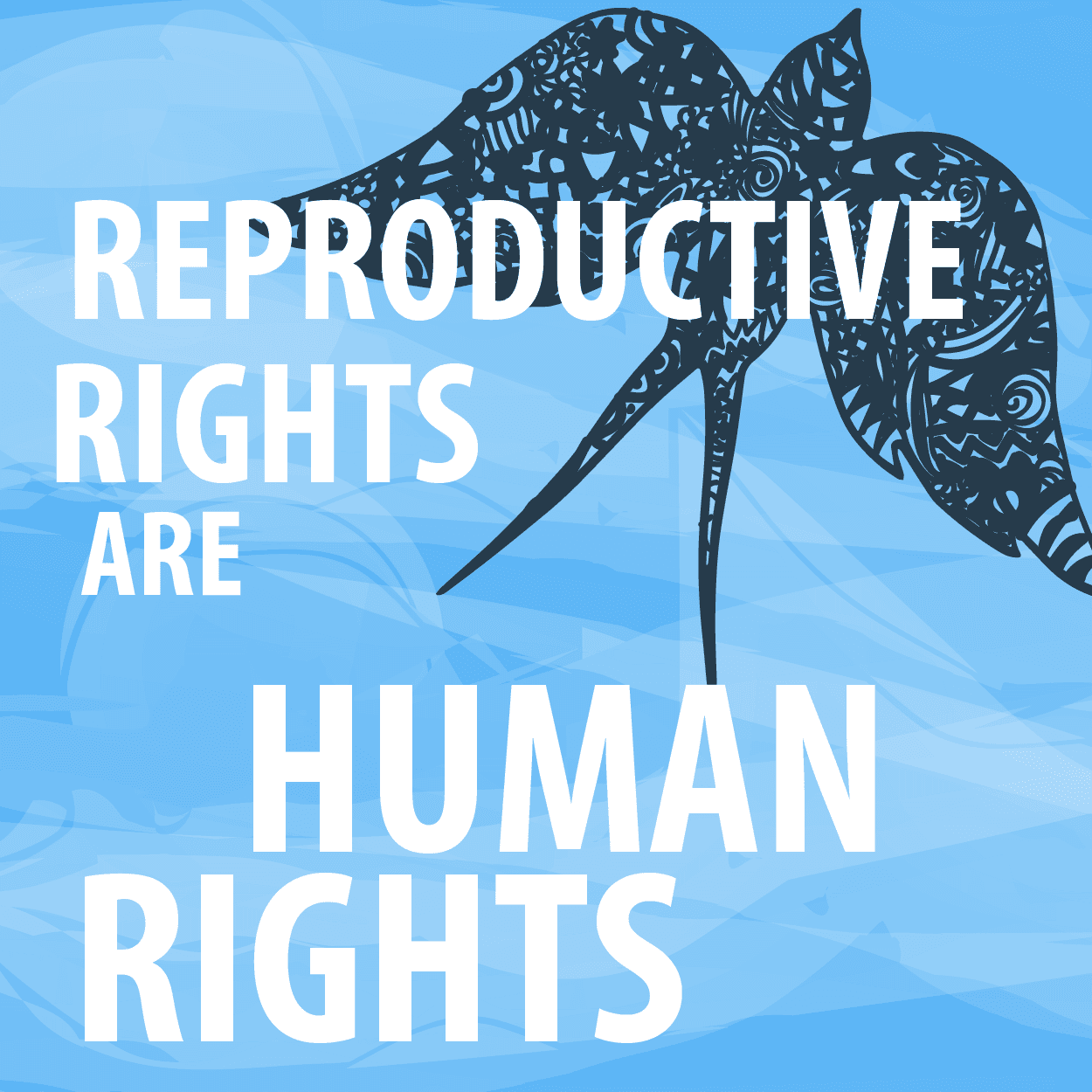
Progressive Charlestown: Family planning is key to women;s health View original
Is this image relevant?
Abortion, Contraception, Pregnancy: How Women's Bodies Became a Battlezone View original
Is this image relevant?
CNS: Bodily autonomy and sexual rights are integral to development justice View original
Is this image relevant?
Progressive Charlestown: Family planning is key to women;s health View original
Is this image relevant?
Reproductive Rights and Bodily Autonomy
Reproductive rights refer to the right to decide whether, when, and how to have children without facing discrimination, coercion, or violence. This includes access to a full range of reproductive health services, from contraception (birth control pills, IUDs, condoms) to abortion care. The core idea is that reproductive choices should be made by the individual based on their own circumstances and beliefs.
Bodily autonomy is the broader principle that every person has the right to control what happens to their own body. That means the right to consent to or refuse medical treatment, to choose sexual partners and activities, and to make decisions about reproductive health. No outside authority, whether a government, partner, or institution, should override a person's decisions about their own physical self.
These two concepts are deeply connected to gender and health:
- Reproductive restrictions disproportionately affect women and gender minorities, who face unique barriers to healthcare access
- Securing reproductive rights is a prerequisite for gender equality, because without control over reproduction, people can't fully participate in education, careers, or public life
- Bodily autonomy supports physical, mental, and emotional well-being, and its absence hits hardest in marginalized communities already facing systemic oppression

Challenges to Reproductive Freedoms
Historical challenges set the stage for many of today's struggles:
- Many countries have long histories of restrictive laws limiting access to contraception and abortion
- Forced sterilization was used as a tool of population control against marginalized groups, including Indigenous women, Black women, and disabled individuals. In the U.S., for example, tens of thousands of people were sterilized under eugenics programs throughout the 20th century.
- Comprehensive sex education has often been withheld or replaced with abstinence-only programs, leaving people with misinformation about reproductive health
Contemporary challenges continue to limit reproductive freedom:
- Ongoing legislative efforts to restrict or ban abortion access, such as heartbeat bills (which ban abortion as early as six weeks) and gestational limits, along with funding cuts to providers
- Socioeconomic disparities in access: low-income individuals and those in rural areas often face the greatest barriers, including lack of nearby clinics and inability to afford services
- Stigmatization and even criminalization of reproductive choices like abortion, which discourages people from seeking care
- Intersecting oppressions compound these challenges. Racism, ableism, and poverty don't exist in isolation; they overlap to make reproductive healthcare even harder to access for people who face multiple forms of discrimination

Legislation and Activism for Reproductive Rights
Legislation and policy have shaped reproductive rights in significant ways:
- Roe v. Wade (1973) in the United States established a constitutional right to abortion. However, the Supreme Court overturned this decision in Dobbs v. Jackson Women's Health Organization (2022), returning abortion regulation to individual states.
- The Abortion Act (1967) in the United Kingdom legalized abortion under specific circumstances, such as risk to the pregnant person's health.
- The Cairo Programme of Action (1994), adopted at the International Conference on Population and Development, recognized reproductive rights as human rights and set goals for universal access to reproductive healthcare.
State-level and national laws vary enormously and can either expand or severely restrict access to services. This means a person's reproductive options often depend on where they live.
Activism and advocacy have driven much of the progress in this area:
- Organizations like Planned Parenthood (U.S.) and Women on Web (international) provide services and advocate for policy change
- Campaigns like #ShoutYourAbortion work to destigmatize reproductive choices by encouraging people to share their experiences openly
- Reproductive justice frameworks, developed largely by women of color, insist that reproductive activism must address race, class, sexuality, and disability together, not treat them as separate issues. This intersectional approach recognizes that access to rights on paper doesn't guarantee access in practice.
Impact of Restricted Reproductive Autonomy
Individual consequences are serious and wide-ranging:
- When safe, legal reproductive services are unavailable, people may turn to unsafe alternatives. The WHO estimates that roughly 45% of all abortions worldwide are unsafe, contributing to preventable injury and death.
- Limited reproductive control leads to unintended pregnancies, which can reduce educational and career opportunities
- Without bodily autonomy, people become more vulnerable to abuse, coercion, and violence in relationships and healthcare settings
Societal implications extend well beyond the individual:
- Reproductive restrictions reinforce gender inequalities by denying people control over their bodies and futures
- Unintended pregnancies and lack of healthcare access carry significant economic costs for families and communities
- Systemic marginalization of low-income, disabled, and racially minoritized communities deepens when reproductive autonomy is denied
- Public health outcomes worsen overall when people cannot access the full spectrum of reproductive healthcare or make informed choices about their bodies
See Fiveable more often in Google
Mark Fiveable as a preferred source and Google is more likely to show you our guides in Top Stories, with a "preferred" badge in AI Mode and AI Overviews.