10.3 Skin-associated lymphoid tissue (SALT)

🛡️Immunobiology Unit 10 Review
10.3 Skin-associated lymphoid tissue (SALT)
🛡️ Immunobiology
The skin is our first line of defense against pathogens and environmental threats. Skin-associated lymphoid tissue (SALT) is a complex network of immune cells and structures that work together to protect us from harm and maintain skin health.
SALT includes various cell types like keratinocytes, Langerhans cells, and T cells. These cells coordinate to detect threats, initiate immune responses, and maintain a delicate balance between protection and tolerance in the skin.
Structure and Function of Skin-Associated Lymphoid Tissue (SALT)

Top images from around the web for Structure of skin-associated lymphoid tissue
Normal human skin - [Biologie de la peau] View original
Is this image relevant?
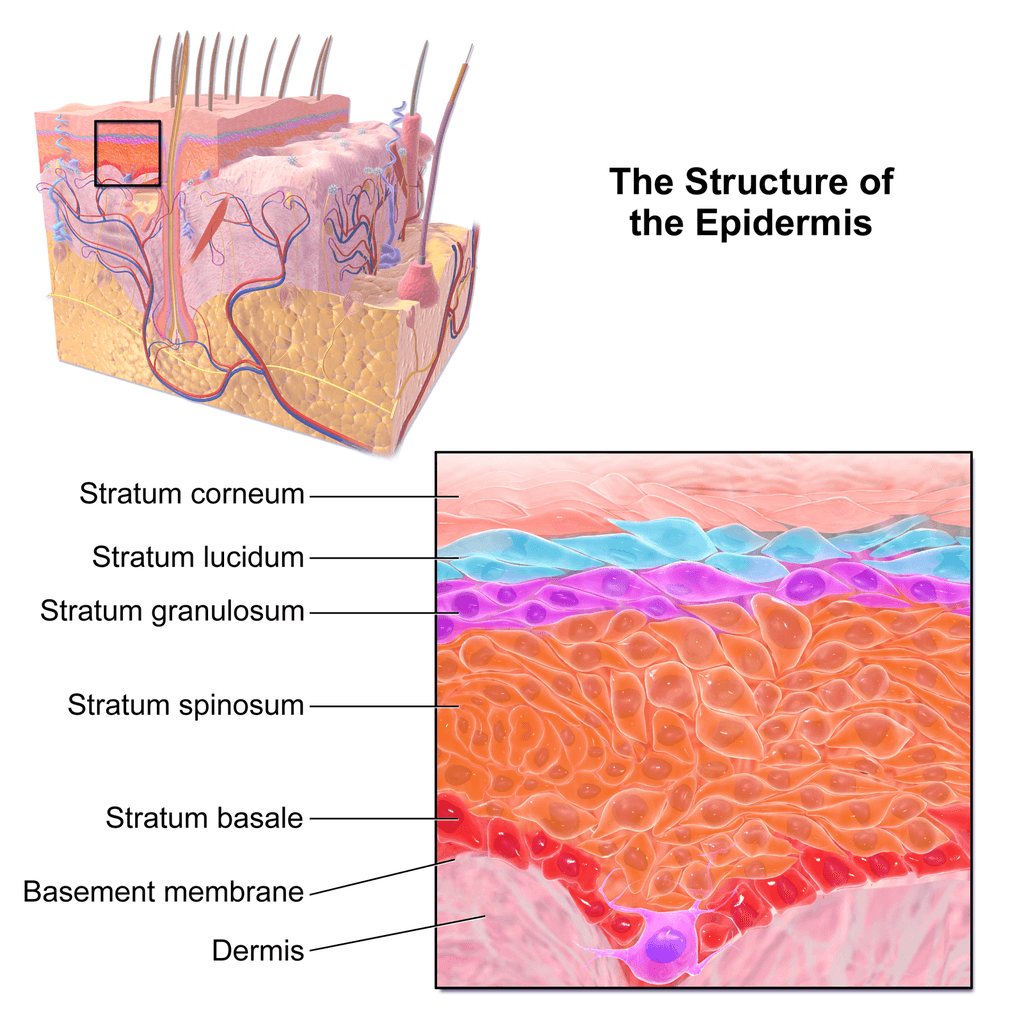
10.3 Epidermis – Human Biology View original
Is this image relevant?
Normal human skin - [Biologie de la peau] View original
Is this image relevant?
10.3 Epidermis – Human Biology View original
Is this image relevant?
Structure of skin-associated lymphoid tissue
- Layers of the skin involved in SALT form protective barrier against pathogens and environmental insults
- Epidermis outer layer composed of stratified squamous epithelium (keratinocytes)
- Dermis underlying layer rich in connective tissue, blood vessels, and immune cells
- Cellular components of SALT work together to maintain skin immunity
- Keratinocytes produce antimicrobial peptides and cytokines (defensins, cathelicidins)
- Langerhans cells patrol epidermis capturing and presenting antigens
- Dermal dendritic cells orchestrate immune responses in deeper skin layers
- T cells including memory T cells provide rapid response to known pathogens
- Innate lymphoid cells contribute to early defense and tissue homeostasis
- Structural features enhance barrier function and regulate immune responses
- Tight junctions between keratinocytes prevent paracellular transport of molecules
- Basement membrane separating epidermis and dermis regulates cell migration and signaling
- Molecular components contribute to innate and adaptive immunity
- Antimicrobial peptides directly kill microbes and modulate immune responses (β-defensins, LL-37)
- Cytokines and chemokines coordinate immune cell recruitment and activation (IL-1, CCL20)
Role of Langerhans cells
- Origin and location establish unique niche in skin immunity
- Derived from embryonic precursors self-renew in epidermis
- Reside in epidermis forming network of sentinel cells
- Antigen capture and processing initiate immune responses
- Extend dendrites to sample antigens from environment and microbiome
- Internalize and process antigens for presentation to T cells
- Migration to lymph nodes bridges innate and adaptive immunity
- Activation by danger signals triggers migration out of epidermis
- CCR7-dependent movement to lymph nodes guided by chemokine gradients
- Antigen presentation activates naive T cells
- Express MHC class I and II molecules for antigen display
- Present antigens to naive T cells in lymph nodes initiating adaptive responses
- Cytokine production shapes immune environment
- Secrete IL-1β, TNF-α, and IL-12 promoting inflammation and T cell differentiation
- Tolerance induction maintains skin homeostasis
- Can promote regulatory T cell development preventing excessive inflammation
![Structure of skin-associated lymphoid tissue, Normal human skin - [Biologie de la peau]](https://storage.googleapis.com/static.prod.fiveable.me/search-images%2F%22Structure_of_skin-associated_lymphoid_tissue_SALT_layers_immune_cells_epidermis_dermis_barrier_function%22-schema-peau-english-web.jpg)
Immune Mechanisms in Skin Health and Disease
Skin-resident memory T cells
- Generation of skin-resident memory T cells provides long-term protection
- Develop from effector T cells after infection or vaccination creating tissue-specific immunity
- Location and retention ensure rapid response to local threats
- Reside in epidermis and dermis strategically positioned for surveillance
- Express CD69 and CD103 for tissue retention anchoring cells in skin
- Rapid response to pathogens enhances local immunity
- Provide immediate protection upon re-exposure to known antigens
- Secrete cytokines and chemokines to recruit other immune cells amplifying response
- Long-term persistence maintains protective barrier
- Maintain protective immunity for extended periods without recirculation
- Heterogeneity allows diverse immune functions
- Include both CD4+ and CD8+ T cell subsets with distinct roles in immunity
Immunology of skin disorders
- Psoriasis characterized by chronic inflammation and hyperproliferation
- T cell-mediated autoimmune response targets skin antigens
- Overproduction of IL-17 and IL-22 drives inflammatory cascade
- Keratinocyte hyperproliferation leads to plaque formation
- Neutrophil infiltration contributes to tissue damage
- Atopic dermatitis involves allergic inflammation and barrier dysfunction
- Th2-driven immune response promotes allergic sensitization
- Increased IgE production mediates hypersensitivity reactions
- Impaired skin barrier function allows penetration of allergens and irritants
- Overexpression of thymic stromal lymphopoietin (TSLP) promotes Th2 responses
- Common features highlight shared pathways in skin inflammation
- Chronic inflammation persists due to dysregulated immune responses
- Dysregulation of immune cell populations alters tissue homeostasis
- Altered cytokine profiles drive pathological changes in skin
- Therapeutic approaches target specific immune pathways
- Immunosuppressive drugs (corticosteroids, calcineurin inhibitors) broadly suppress inflammation
- Biologics targeting specific cytokines or receptors (anti-TNF, anti-IL-17) offer precise intervention
See Fiveable more often in Google
Mark Fiveable as a preferred source and Google is more likely to show you our guides in Top Stories, with a "preferred" badge in AI Mode and AI Overviews.