6.2 How the Brain Processes Information to Make Decisions: Reflective and Reactive Systems

👥Organizational Behavior Unit 6 Review
6.2 How the Brain Processes Information to Make Decisions: Reflective and Reactive Systems
👥 Organizational Behavior
Reflective and Reactive Decision-Making Systems
Every decision you make runs through one of two mental systems: a slow, deliberate one and a fast, automatic one. Understanding how these systems work, and how emotions interact with both, is central to understanding why managers (and everyone else) sometimes make brilliant calls and sometimes make terrible ones.
Reflective vs. Reactive Decision-Making Systems
The reflective system handles slow, deliberate, conscious processing. Think of it as the analytical side of your brain.
- It uses logical reasoning and analysis to produce well-thought-out decisions (e.g., running a cost-benefit analysis before approving a project budget)
- It's primarily associated with the prefrontal cortex, the brain region responsible for higher-order thinking
- It carefully weighs long-term consequences (e.g., retirement planning, strategic five-year goals)
- It requires significant cognitive effort and mental resources to operate
- It draws on executive function, which includes planning, working memory, and cognitive flexibility
The reactive system handles fast, automatic, unconscious processing. It's your brain's shortcut engine.
- It relies on heuristics (mental rules of thumb), biases (like confirmation bias), and emotional responses to generate quick decisions
- It's primarily associated with the limbic system, particularly the amygdala, which processes emotions
- It focuses on immediate outcomes and rewards without much consideration for future implications (e.g., impulse purchases, snapping at a colleague)
- It requires far less cognitive effort, making it efficient but prone to errors
The key tradeoff: the reflective system is more accurate but slower and more mentally taxing. The reactive system is fast and efficient but can lead you astray, especially in complex or high-stakes situations.
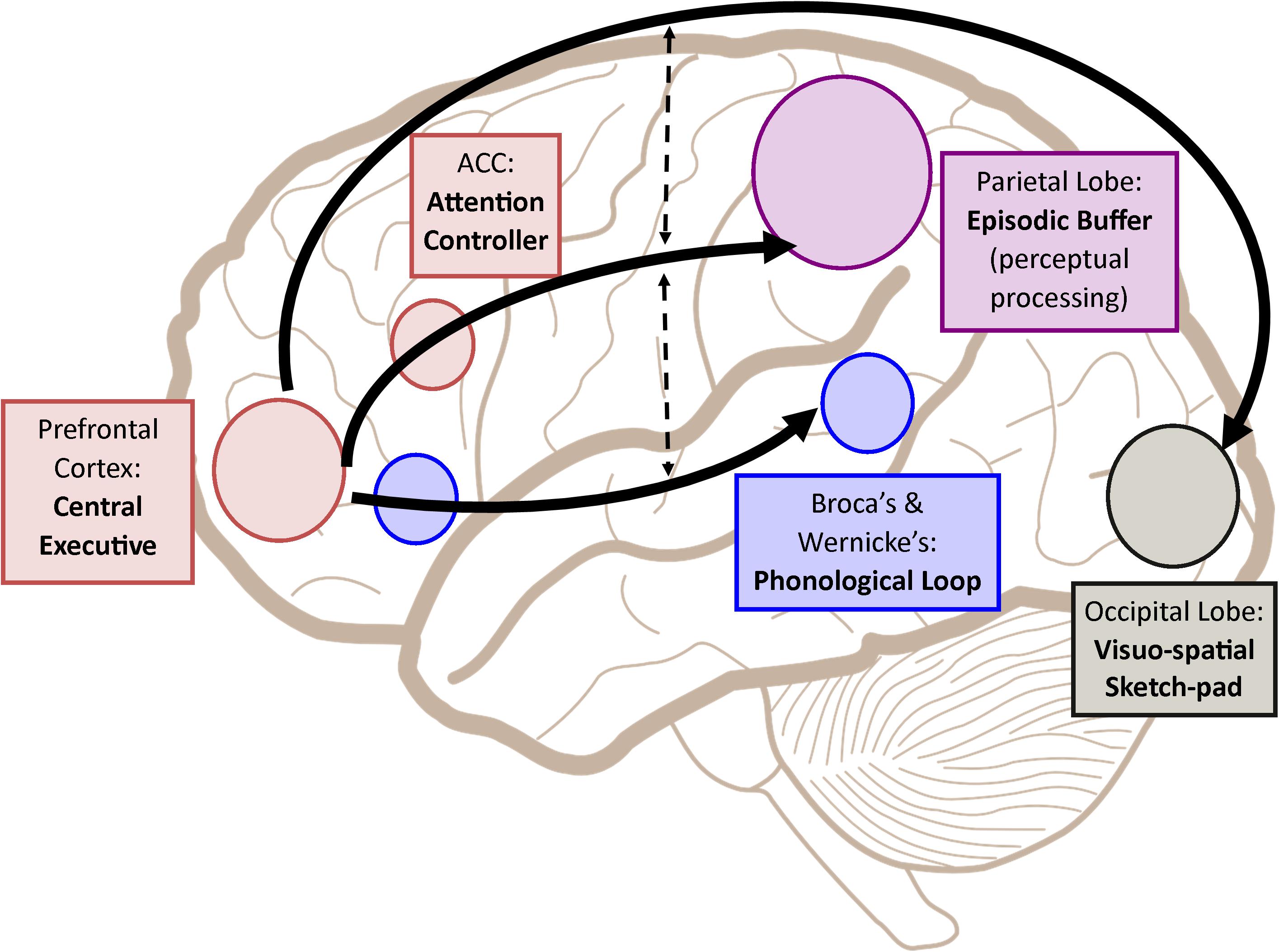
Dual-Process Theory of Decision-Making
Psychologist Daniel Kahneman popularized this framework as System 1 and System 2 thinking:
- System 1 (reactive): Fast, automatic, intuitive. You use it when you recognize a familiar face or react to a loud noise.
- System 2 (reflective): Slow, deliberate, analytical. You use it when you calculate a budget or evaluate competing proposals.
Cognitive load determines which system takes the lead. When you're stressed, tired, or juggling too many tasks, your brain defaults to System 1 because System 2 demands resources you don't have available. This is why rushed managers tend to rely more on gut feelings than careful analysis.
Bounded rationality, a concept from Herbert Simon, explains this further: people don't make perfectly rational decisions because they face real cognitive limitations, incomplete information, and time constraints. Instead, they satisfice, choosing the first option that's "good enough" rather than optimizing for the best possible outcome.

Emotions in Decision-Making Processes
Emotions aren't separate from decision-making; they're woven into it. Your current emotional state shapes what information you notice, how you interpret it, and which options you favor.
How emotions bias decisions:
- They direct your attention toward emotionally vivid information. A single dramatic customer complaint can outweigh months of positive data.
- They alter how you weight decision criteria. If you feel loyal to a brand or a team member, you may give their option more importance than the evidence warrants.
- They push you toward the reactive system, producing quicker but potentially less rational choices.
Positive emotions (excitement, optimism, enthusiasm):
- Can boost creative and flexible thinking, which is why brainstorming sessions often work better when the mood is upbeat
- May increase risk-taking due to heightened optimism (e.g., investing heavily in a volatile stock because "it feels right")
- Can produce overconfidence and optimism bias, causing you to underestimate drawbacks (e.g., launching a product without sufficient market research)
Negative emotions (fear, anxiety, frustration):
- Can narrow your focus and limit the alternatives you consider, a phenomenon sometimes called tunnel vision
- May lead to risk-averse behavior, causing you to miss opportunities (e.g., not applying for a promotion because you fear rejection)
- Can trigger loss aversion, where you place more weight on avoiding losses than on achieving equivalent gains (e.g., holding onto underperforming investments too long)
Intense emotions of any kind can overwhelm the reflective system entirely, leading to impulsive decisions. During a heated argument, for instance, you might say something you'd never endorse if you paused to think.
The somatic marker hypothesis (from neuroscientist Antonio Damasio) proposes that emotions guide decisions partly through bodily sensations. That "gut feeling" or sense of unease you get before a risky choice is your body flagging past emotional experiences associated with similar situations.
Emotional Intelligence for Managerial Decisions
Emotional intelligence (EI) is the ability to recognize, understand, and manage emotions in yourself and others. For managers, it's a practical skill that directly affects decision quality.
Recognize and manage your own emotions:
- Identify your emotional triggers (tight deadlines, interpersonal conflict) and the biases they activate (e.g., self-serving bias under pressure)
- Use regulation techniques like pausing before responding, reframing the situation, or simply taking a short break to restore composure
- Maintain enough emotional balance to keep your reflective system engaged when it matters most
Empathize with others' emotions:
- Consider the emotional impact of your decisions on stakeholders. A layoff announcement, for example, requires anticipating grief, anger, and anxiety.
- Anticipate emotional reactions like resistance to change, and address them proactively to smooth implementation
- Foster a supportive climate (e.g., an open-door policy) that encourages honest communication and feedback
Harness emotions to improve outcomes:
- Use positive emotions strategically to enhance creativity and innovation (e.g., team-building activities before a planning session)
- Leverage emotional insights to identify what resonates with stakeholders (e.g., customer sentiment analysis to guide product decisions)
- Manage negative emotions before they derail the process (e.g., calling a break during tense negotiations rather than pushing through)
Communicate decisions with emotional intelligence:
- Show empathy when delivering difficult decisions like budget cuts or restructuring. Acknowledge the human impact directly.
- Provide clear rationale and address emotional concerns honestly to build acceptance
- Offer concrete support and resources to help people adapt (e.g., training programs during organizational restructuring, outplacement services during layoffs)
One final point: neuroplasticity means the brain can form new neural pathways throughout life. Emotional intelligence isn't a fixed trait. With deliberate practice, managers can strengthen their ability to regulate emotions, read others, and make more balanced decisions over time.
See Fiveable more often in Google
Mark Fiveable as a preferred source and Google is more likely to show you our guides in Top Stories, with a "preferred" badge in AI Mode and AI Overviews.