17.1 An Introduction to Human Resource Management

👥Organizational Behavior Unit 17 Review
17.1 An Introduction to Human Resource Management
👥 Organizational Behavior
Evolution and Role of Human Resource Management
Human Resource Management (HRM) covers how organizations attract, develop, manage, and retain their people. It has shifted from a back-office administrative function to a strategic role that directly shapes business outcomes. Understanding this evolution helps explain why modern HR departments look and operate so differently from their predecessors.

Top images from around the web for Evolution of HR management
8.16: Controlling - Business LibreTexts View original
Is this image relevant?
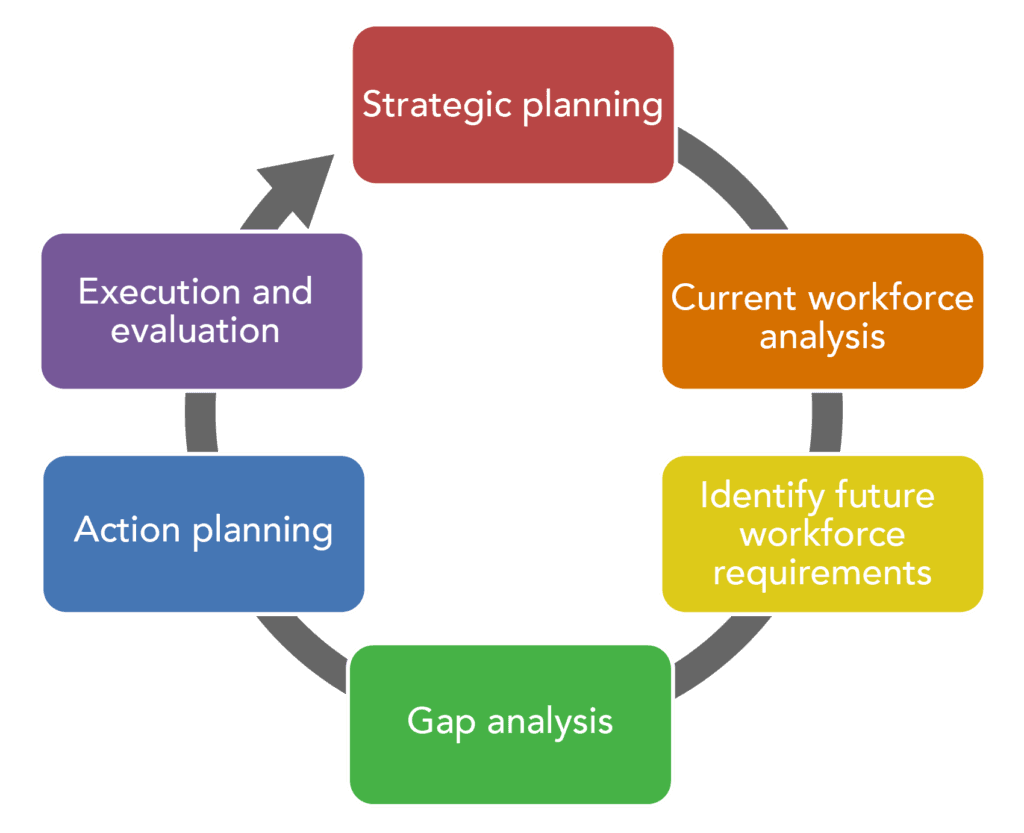
Business Strategy and Workforce Planning | Human Resources Management View original
Is this image relevant?
TQM Potential Moderating Role to the Relationship between HRM Practices, KM Strategies and ... View original
Is this image relevant?
8.16: Controlling - Business LibreTexts View original
Is this image relevant?
Business Strategy and Workforce Planning | Human Resources Management View original
Is this image relevant?
Evolution of HR Management
Origins as an administrative function. Early HR departments (often called "personnel departments") focused on paperwork: payroll processing, record-keeping, and making sure the company followed labor laws like the Fair Labor Standards Act. The approach was reactive. When a problem came up, HR dealt with it. There wasn't much forward thinking about workforce strategy.
Shift to a strategic partner. Over time, organizations realized that how they managed people had a direct impact on performance. HR began aligning its practices with overall business strategy, moving from "fix problems after they happen" to "anticipate what the workforce will need." This shift brought new priorities:
- Workforce planning that anticipates future talent needs rather than just filling current vacancies
- Employee engagement and retention programs designed to improve productivity and reduce costly turnover
- Use of tools like employee satisfaction surveys to measure and act on workplace climate
HR's current role. Today, HR contributes to business strategy by advising leadership on human capital decisions. That means designing policies (like diversity and inclusion initiatives) that support organizational goals, and tracking HR metrics that connect directly to business outcomes. HR leaders often sit at the executive table, not just in a back office.

Employee Life Cycle and HR Functions
The employee life cycle describes every stage of a person's relationship with an organization, from first contact to departure. HR manages or supports each stage.

Stages of the Employee Life Cycle
1. Recruitment and selection. This is about finding and choosing the right people. HR posts job openings, sources candidates, conducts interviews and skills assessments, and evaluates cultural fit. The stage ends when a job offer is extended and accepted.
2. Onboarding and orientation. New hires need to understand the organization's culture, policies, and expectations. Effective onboarding goes beyond a first-day tour. It provides the training, resources, and relationships employees need to succeed in their role early on.
3. Performance management. HR helps set clear performance expectations and goals that connect individual work to team and company objectives. Regular evaluations and feedback sessions assess progress, identify strengths, and surface areas for improvement. This is an ongoing cycle, not a once-a-year event.
4. Training and development. Organizations assess employee skill gaps and then design programs to close them. These can include workshops, e-learning modules, mentoring relationships, and leadership development tracks. The goal is both immediate skill-building and longer-term career growth.
5. Compensation and benefits. HR develops pay structures that are fair and competitive, and manages benefits programs like health insurance and retirement plans. Compliance matters here too: minimum wage laws, overtime pay rules, and other legal requirements all fall under HR's responsibility.
6. Employee relations. This function focuses on maintaining a healthy work environment. HR facilitates open communication between employees and management, resolves conflicts, and runs programs (like employee recognition initiatives) that boost morale and engagement.
7. Separation and offboarding. Whether an employee leaves voluntarily or involuntarily, HR manages the process professionally. Exit interviews gather feedback that can reveal organizational problems. Knowledge transfer plans help minimize disruption when someone departs.
Core Functions of HR
These functions cut across the employee life cycle and represent HR's ongoing responsibilities:
- Workforce planning and talent acquisition ensures the organization has the right people in the right roles at the right time, supporting both day-to-day operations and long-term growth.
- Employee development and performance management builds skills and drives individual and team performance toward organizational objectives through structured goal-setting and feedback.
- Compensation and benefits management attracts and retains talent through competitive packages and aligns rewards with performance to incentivize results.
- Employee relations and engagement creates a productive work environment through recognition programs, wellness initiatives, and efforts that reduce absenteeism and turnover.
- Legal and regulatory compliance protects the organization from liability by adhering to employment laws like Title VII of the Civil Rights Act and the Americans with Disabilities Act (ADA). This includes preventing discrimination and harassment.
- HR technology and data management uses tools like applicant tracking systems and HR information systems to streamline processes. Data analytics (for example, analyzing employee turnover patterns) helps HR make evidence-based decisions rather than relying on intuition.
Strategic HR Management and Organizational Development
Beyond day-to-day functions, HR plays a role in shaping the organization's future:
- Talent management involves comprehensive strategies to attract, develop, and retain high performers. The best approaches align individual career goals with what the organization needs, creating outcomes that benefit both sides.
- Organizational culture refers to the shared values, beliefs, and behaviors that define how work gets done. HR helps shape and reinforce a culture that supports business objectives while keeping employees engaged.
- Succession planning identifies high-potential employees and prepares them for future leadership roles. Without it, organizations risk leadership gaps when key people retire or leave unexpectedly.
- Labor relations covers the relationship between the organization and labor unions, including collective bargaining. HR must balance fair treatment of employees with organizational needs and legal requirements.
See Fiveable more often in Google
Mark Fiveable as a preferred source and Google is more likely to show you our guides in Top Stories, with a "preferred" badge in AI Mode and AI Overviews.