17.2 Human Resource Management and Compliance

👥Organizational Behavior Unit 17 Review
17.2 Human Resource Management and Compliance
👥 Organizational Behavior
HR Compliance and Risk Mitigation
HR compliance means making sure your organization follows all applicable labor laws and treats employees fairly. Getting this wrong can lead to lawsuits, fines, and a damaged reputation. Getting it right protects the company financially while also creating a workplace where people actually want to stay.

Top images from around the web for Value of HR compliance
Corporate Reputation - How Do You Compare In 2021 View original
Is this image relevant?
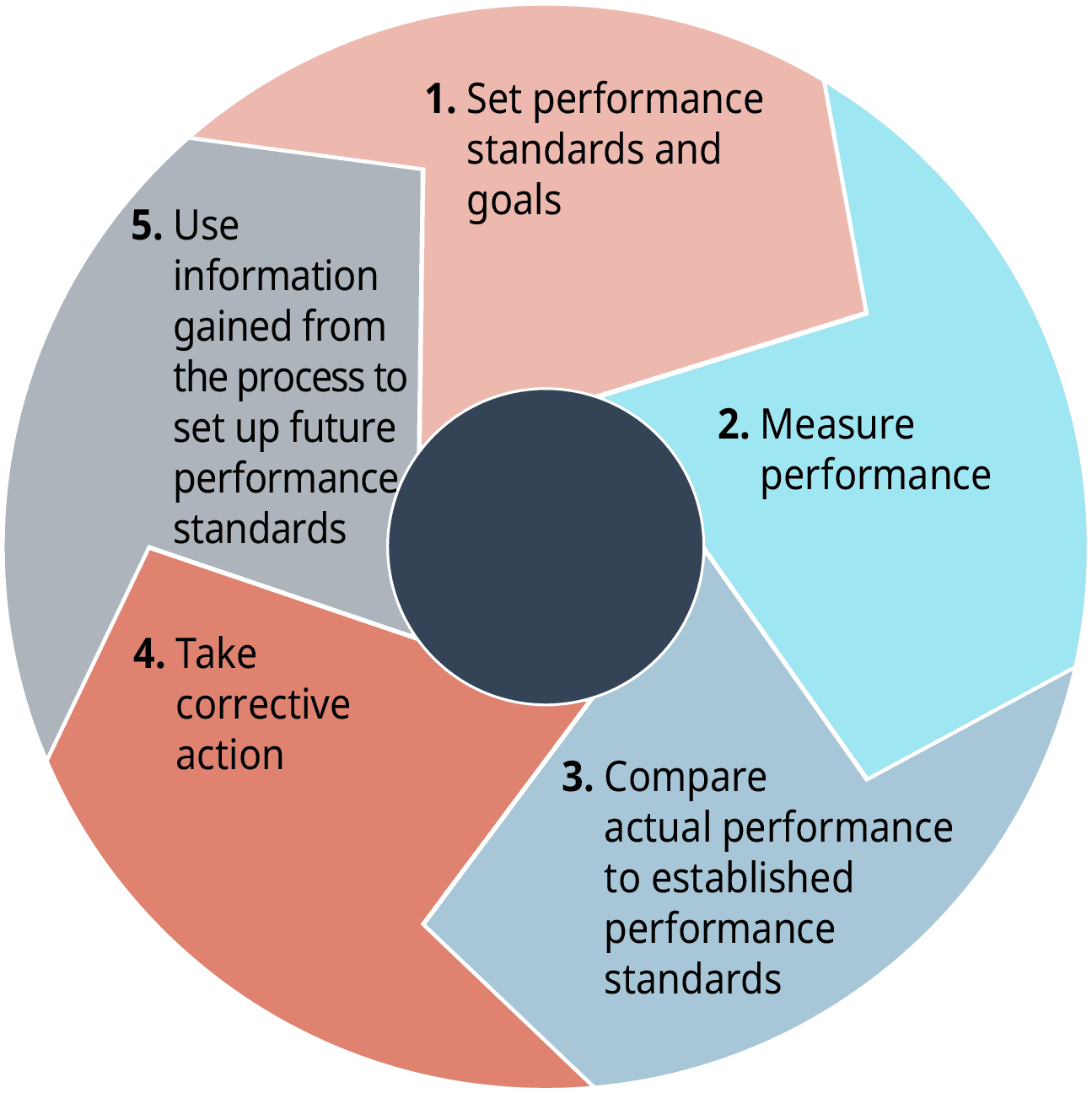
8.16: Controlling - Business LibreTexts View original
Is this image relevant?
The value triangle / creating value ~ Strategic Human Capital Management (HCM) Blog View original
Is this image relevant?
Corporate Reputation - How Do You Compare In 2021 View original
Is this image relevant?
8.16: Controlling - Business LibreTexts View original
Is this image relevant?
Value of HR Compliance
At its core, compliance serves two purposes: risk mitigation and workforce quality. On the risk side, following federal, state, and local labor laws helps organizations avoid costly fines, penalties, and legal disputes. HR develops policies and procedures that minimize the likelihood of legal issues, conducts investigations when problems arise, and takes corrective action before things escalate.
On the workforce side, compliance directly affects how employees experience the organization:
- Fair and equitable treatment boosts morale and productivity
- Training on topics like harassment prevention and diversity and inclusion sets clear expectations for workplace behavior
- Demonstrating a commitment to legal and ethical practices helps attract and retain top talent
- Aligning HR practices with business objectives (like reducing turnover or improving engagement) supports the organization's overall strategy
A company that treats compliance as an afterthought will eventually pay for it, whether through lawsuits, high turnover, or reputational damage.

Key Federal Labor Laws
These are the major laws you need to know. Each one addresses a different dimension of the employment relationship.
- Fair Labor Standards Act (FLSA) — Establishes minimum wage, overtime pay, and recordkeeping requirements. It also defines the distinction between exempt and non-exempt employees, which determines who qualifies for overtime.
- Title VII of the Civil Rights Act of 1964 — Prohibits employment discrimination based on race, color, religion, sex, or national origin. Applies to employers with 15 or more employees.
- Americans with Disabilities Act (ADA) — Prohibits discrimination against individuals with disabilities and requires employers to provide reasonable accommodations, such as modified work schedules or accessible facilities.
- Family and Medical Leave Act (FMLA) — Provides eligible employees with up to 12 weeks of unpaid, job-protected leave for specified family and medical reasons (childbirth, adoption, serious health conditions). Applies to employers with 50 or more employees.
- Age Discrimination in Employment Act (ADEA) — Protects individuals 40 years of age or older from employment discrimination based on age.
- Equal Pay Act (EPA) — Requires equal pay for equal work regardless of gender.
- National Labor Relations Act (NLRA) — Protects employees' rights to organize, form unions, and engage in collective bargaining.
- Occupational Safety and Health Act (OSHA) — Sets and enforces standards for workplace safety and health conditions.
The pattern to notice: most of these laws either protect a specific group from discrimination or establish baseline standards for how workers must be treated. Exam questions often test whether you can match the law to the correct protected class or requirement.

Best Practices for Compliance
Knowing the laws matters, but organizations also need systems to stay compliant day-to-day. Here are the practices that make that happen:
Training and communication. Provide regular training to managers and employees on compliance topics. Every employee should understand their rights and responsibilities under applicable laws, not just HR staff.
Staying current. Labor laws change. HR needs to monitor legislative updates at the federal, state, and local levels and revise policies accordingly. Employee handbooks should be updated regularly, and all employees should acknowledge receipt and understanding of current policies.
Recordkeeping. Maintain accurate, complete records of employment practices, including:
- Hiring decisions
- Performance evaluations
- Disciplinary actions
- Terminations
These records are your evidence if a compliance question ever goes to court.
Auditing. Conduct regular internal audits of HR practices to catch potential issues early. Review employee complaints, grievances, and exit interviews to spot patterns. Bringing in external auditors or legal counsel periodically provides an objective assessment that internal teams might miss.
Cross-functional coordination. HR should work closely with legal, finance, and other departments to ensure a coordinated approach. This is especially important during major organizational changes like mergers, acquisitions, or workforce reductions, where compliance risks multiply.
Proactive employee relations. Don't wait for problems to surface. Foster a positive work environment and address workplace issues promptly. Organizations that invest in employee relations spend far less time managing compliance crises.
Strategic HR Management
Compliance keeps you out of trouble, but strategic HR management goes further by actively using human capital to drive organizational success. Think of compliance as the floor and strategy as the ceiling.
- Human capital management focuses on optimizing workforce value through strategic planning, talent development, and performance management. It treats employees as assets to invest in, not just costs to manage.
- Talent acquisition develops strategies to attract, recruit, and onboard top talent aligned with organizational needs. This goes beyond posting job listings; it includes employer branding, pipeline development, and structured onboarding.
- Compensation and benefits involves designing competitive pay structures and benefits packages. The goal is to attract and retain employees while staying within budget and maintaining internal equity.
- Performance management establishes systems to set goals, provide feedback, and evaluate employee performance. Done well, it connects individual contributions to organizational outcomes.
The key takeaway: strategic HR ties every people decision back to business objectives. Compliance tells you what you must do; strategic HR helps you decide what you should do.
See Fiveable more often in Google
Mark Fiveable as a preferred source and Google is more likely to show you our guides in Top Stories, with a "preferred" badge in AI Mode and AI Overviews.