18.1 Principles of Neuroplasticity in Rehabilitation

⛹️♂️Motor Learning and Control Unit 18 Review
18.1 Principles of Neuroplasticity in Rehabilitation
⛹️♂️ Motor Learning and Control
Neuroplasticity in Rehabilitation

Top images from around the web for Concept and Relevance to Motor Learning
Frontiers | New insights into the pathophysiology of post-stroke spasticity View original
Is this image relevant?
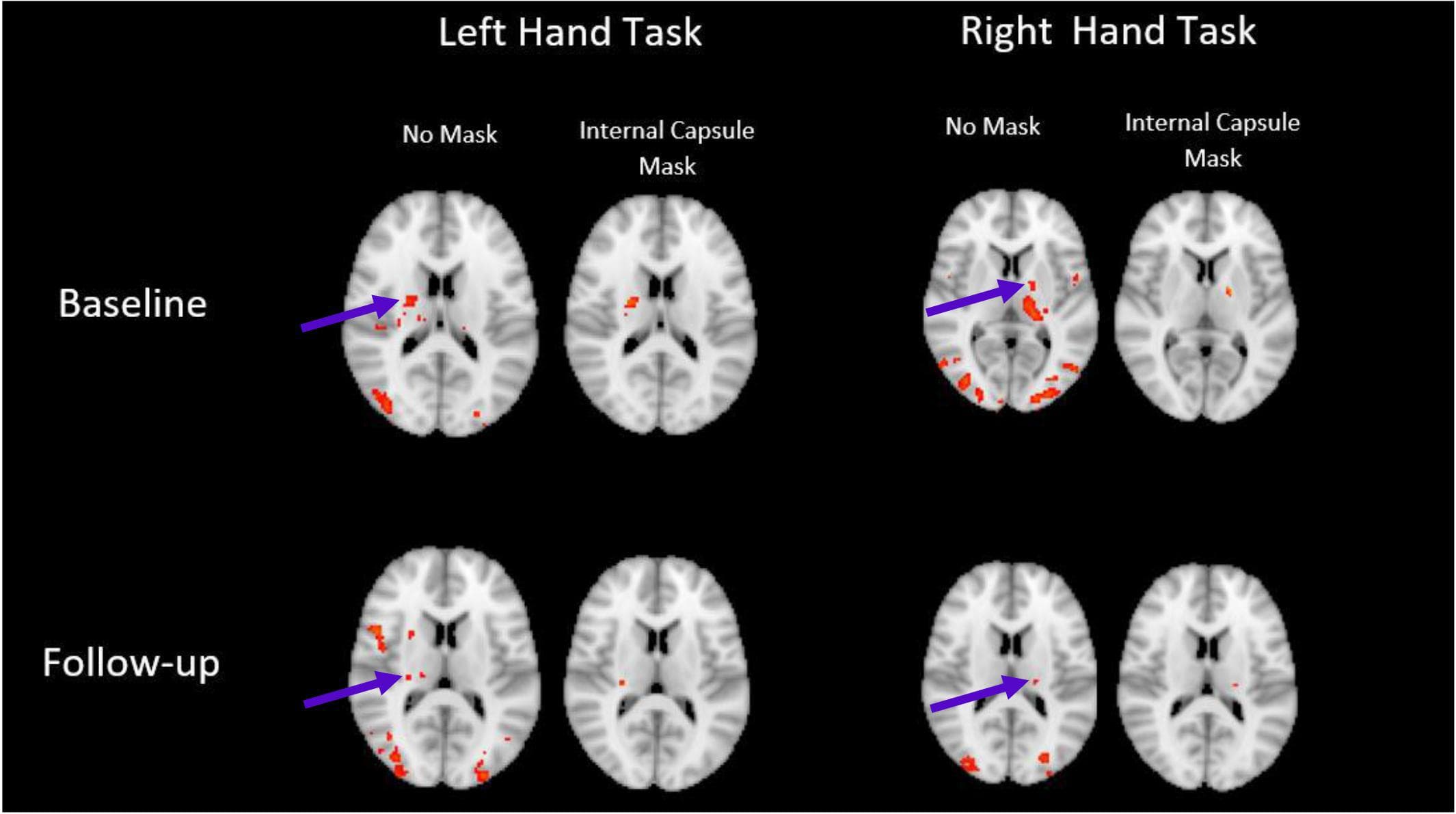
Frontiers | White Matter Neuroplasticity: Motor Learning Activates the Internal Capsule and ... View original
Is this image relevant?
Frontiers | Tau-Mediated Dysregulation of Neuroplasticity and Glial Plasticity View original
Is this image relevant?
Frontiers | New insights into the pathophysiology of post-stroke spasticity View original
Is this image relevant?
Frontiers | White Matter Neuroplasticity: Motor Learning Activates the Internal Capsule and ... View original
Is this image relevant?
Concept and Relevance to Motor Learning
Neuroplasticity is the brain's ability to reorganize and modify its neural connections in response to experience, learning, and injury throughout the lifespan. It's the biological foundation that makes motor learning possible: without the capacity to form and strengthen neural pathways, you couldn't acquire or retain motor skills.
In rehabilitation, neuroplasticity is what makes recovery possible after brain injury or neurological disorders that impair motor function. The brain can reroute functions around damaged areas, strengthen weakened connections, and build entirely new pathways. Rehab professionals apply core principles of neuroplasticity to guide treatment:
- Specificity: The brain adapts to the exact demands placed on it. Practicing reaching and grasping drives changes in the neural circuits for reaching and grasping, not for walking.
- Repetition: Repeated practice strengthens the relevant neural connections. A few attempts won't produce lasting change.
- Intensity: Higher-intensity practice drives greater neural reorganization and better functional outcomes.
These principles translate directly into clinical strategies like task-specific training and high-intensity practice schedules.
Factors Influencing Neuroplasticity
Biological and Environmental Factors
Age is one of the most significant factors. Younger brains exhibit greater plasticity, which is why children often recover from brain injuries more completely than adults. That said, neuroplasticity persists across the entire lifespan. Older adults absolutely can benefit from rehabilitation and learn new motor skills; the process just tends to be slower and may require more repetition.
Genetics also matter. Certain gene variations influence how readily the brain adapts and reorganizes. One well-studied example is polymorphisms in the BDNF gene (brain-derived neurotrophic factor), which codes for a protein that supports the survival and growth of neurons. Individuals with certain BDNF variants may show reduced capacity for experience-dependent plasticity.
Environmental enrichment enhances neuroplasticity by promoting new neural connections and strengthening existing ones. Complex, stimulating activities are particularly effective. Learning a musical instrument, for instance, drives structural and functional changes across motor, auditory, and sensory cortices simultaneously. Even activities like solving puzzles or navigating new environments can promote beneficial neural adaptation.

Interventions to Modulate Neuroplasticity
Beyond natural factors, clinicians can actively modulate neuroplasticity through targeted interventions:
- Pharmacological approaches: Certain medications can alter synaptic plasticity or promote neurogenesis (the growth of new neurons). Fluoxetine, for example, has been shown to enhance plasticity in motor cortex regions after stroke. Memantine, typically used for Alzheimer's disease, modulates NMDA receptor activity, which is involved in synaptic strengthening.
- Non-invasive brain stimulation: Techniques like transcranial magnetic stimulation (TMS) and transcranial direct current stimulation (tDCS) alter cortical excitability. TMS uses magnetic pulses to stimulate or inhibit specific brain regions, while tDCS delivers a weak electrical current to shift neuronal firing thresholds. Both can be paired with motor practice to facilitate learning.
Effective rehabilitation programs often combine multiple approaches. A treatment plan might pair task-specific training with brain stimulation and ensure the activities are age-appropriate and mentally engaging, maximizing the conditions for neuroplastic change.
Experience-Dependent Plasticity in Motor Learning
Mechanisms of Experience-Dependent Plasticity
Experience-dependent plasticity refers specifically to neural reorganization driven by particular experiences or training. When you repeatedly practice a motor task, two key processes occur in the relevant brain regions:
- Long-term potentiation (LTP): Existing synaptic connections become stronger, meaning signals pass more efficiently between neurons involved in that task.
- Synaptogenesis: New synapses form between neurons, expanding the network dedicated to that skill.
Together, these processes are how practice physically changes the brain to support motor learning.
After brain injury, experience-dependent plasticity also enables compensation. The brain can recruit adjacent cortical areas or even regions in the opposite hemisphere to take over functions that were handled by the damaged tissue. This process, called cortical reorganization, is a major target of rehabilitation.

Strategies to Harness Experience-Dependent Plasticity
Task-specific training is the most direct application. Rather than doing general exercises, the patient practices the actual functional tasks they need to recover. Someone working to regain upper limb function, for example, would practice reaching, grasping, and manipulating objects rather than doing non-specific arm movements. The specificity of the practice drives plasticity in the exact circuits needed.
Two factors are critical for driving meaningful change:
- Intensity: Higher doses of practice produce greater neural reorganization. A patient who performs hundreds of reaching repetitions per session will generally see more cortical remapping than one who performs a few dozen.
- Specificity: The training must closely match the target skill. General exercise has health benefits, but it won't drive the focused cortical changes needed for recovering a particular motor function.
Constraint-induced movement therapy (CIMT) is a well-known example of these principles in action. The unaffected limb is physically restrained (often with a mitt or sling), forcing the patient to use the affected limb for daily tasks. This creates a high volume of task-specific practice with the impaired limb, driving cortical reorganization in the damaged hemisphere. Research consistently shows CIMT produces measurable improvements in motor function and corresponding changes in brain mapping.
Types of Neuroplasticity
Structural and Functional Plasticity
These two categories describe different levels at which the brain changes:
Structural plasticity involves physical changes to brain architecture:
- Synaptogenesis: Formation of new synaptic connections between neurons
- Neurogenesis: Growth of entirely new neurons (primarily in the hippocampus and olfactory bulb in adults)
- Dendritic branching: Neurons grow new dendrites, increasing the surface area available for connections
Structural plasticity is what allows the brain to build new neural pathways after injury or during the acquisition of novel motor skills. These changes tend to develop over days to weeks of sustained practice.
Functional plasticity involves changes in the strength and efficiency of existing connections without necessarily altering physical structure:
- Long-term potentiation (LTP): Sustained strengthening of synaptic transmission, making a connection more responsive
- Long-term depression (LTD): Sustained weakening of synaptic transmission, reducing the influence of a connection
Functional plasticity is crucial for fine-tuning motor performance. As you refine a skill, the brain adjusts connection strengths based on task demands and your performance. Connections that contribute to successful movement get strengthened; those that don't get weakened. This is how clumsy early attempts gradually become smooth, coordinated actions.
Cross-Modal and Homologous Area Adaptation
Cross-modal plasticity occurs when the loss of one sensory modality causes the brain areas normally devoted to that sense to be recruited by other senses. A classic example: in individuals who lose vision, the visual cortex can be taken over by tactile or auditory processing, enhancing those remaining senses.
In rehabilitation, cross-modal plasticity supports compensatory strategies. A patient with visual impairment can be trained to use tactile or auditory cues to guide motor performance. The brain regions that would have processed visual input can be repurposed to support these alternative sensory channels.
Homologous area adaptation occurs after unilateral brain injury (damage to one hemisphere). The corresponding region in the undamaged hemisphere gets recruited to help support motor function on the affected side. For example, if the left motor cortex is damaged, the right motor cortex may gradually take on some control of the affected right limb.
Rehabilitation approaches can actively facilitate this process:
- Bilateral arm training: Practicing movements with both arms simultaneously encourages the intact hemisphere to support the affected side.
- Mirror therapy: The patient watches the reflection of their unaffected limb moving in a mirror, creating a visual illusion that the affected limb is moving normally. This visual feedback activates motor networks in the damaged hemisphere and promotes cortical reorganization.
Both strategies take advantage of the brain's capacity to redistribute motor control across hemispheres after injury.
See Fiveable more often in Google
Mark Fiveable as a preferred source and Google is more likely to show you our guides in Top Stories, with a "preferred" badge in AI Mode and AI Overviews.