3.4 Trace Minerals

🥗Intro to Nutrition Unit 3 Review
3.4 Trace Minerals
🥗 Intro to Nutrition
Trace Minerals: Roles, Absorption, and Health Implications
Trace minerals are nutrients your body needs in very small amounts, but they're involved in everything from carrying oxygen to regulating your metabolism. Understanding what each one does, where to get it, and what happens when you get too little or too much is a core part of this unit.

Top images from around the web for Essential trace minerals and roles
9.41 Selenoproteins | Nutrition Flexbook View original
Is this image relevant?
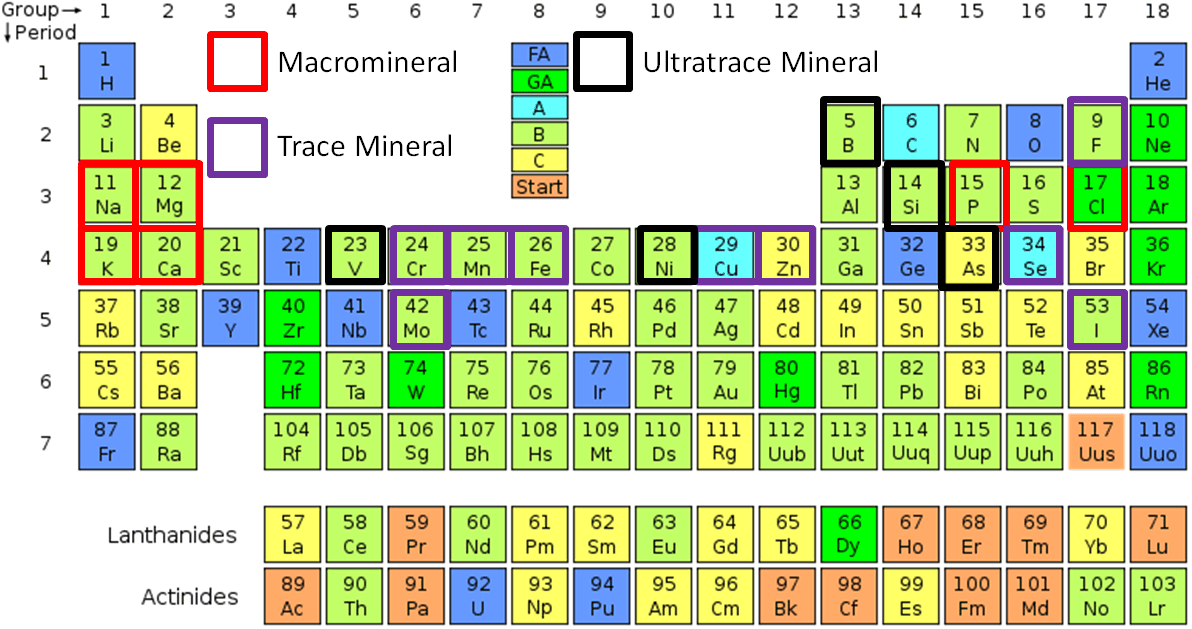
8.2 Minerals | Nutrition Flexbook View original
Is this image relevant?
12.91 Copper Functions | Nutrition Flexbook View original
Is this image relevant?
9.41 Selenoproteins | Nutrition Flexbook View original
Is this image relevant?
8.2 Minerals | Nutrition Flexbook View original
Is this image relevant?
Essential Trace Minerals and Their Roles
Each trace mineral has specific jobs in the body. Here are the major ones you need to know:
- Iron enables oxygen transport through hemoglobin (in red blood cells) and myoglobin (in muscle tissue). It also plays a role in energy metabolism and ATP production.
- Zinc supports immune function, speeds up wound healing, and helps maintain your sense of taste and smell.
- Copper assists with iron metabolism, acts as part of antioxidant enzymes like superoxide dismutase, and promotes collagen synthesis for skin and connective tissue.
- Selenium functions as an antioxidant, supports thyroid hormone production, and enhances immune response, particularly T-cell activity.
- Iodine is required for thyroid hormone synthesis, which regulates your metabolic rate. It's also critical for proper fetal brain development.
- Manganese serves as a cofactor for many enzymes, contributes to bone formation, and assists in macronutrient metabolism.
- Fluoride strengthens tooth enamel through remineralization and increases bone density.
- Chromium enhances insulin sensitivity and helps regulate blood glucose levels.
- Molybdenum acts as a cofactor for enzymes involved in sulfur amino acid metabolism and uric acid production.

Absorption and Transport of Trace Minerals
Most trace mineral absorption happens in the small intestine, primarily in the duodenum and jejunum. The stomach provides limited absorption for some minerals, like iron.
Absorption mechanisms:
- Active transport moves minerals against their concentration gradient and requires energy.
- Passive diffusion allows minerals to move along their concentration gradient without energy.
- Facilitated diffusion uses carrier proteins to help minerals cross membranes, also without energy.
Factors affecting absorption:
- Intestinal pH influences how soluble a mineral is, which affects how well it's absorbed.
- Mineral interactions can help or hurt absorption. For example, iron and zinc compete for the same absorption pathways, so high intake of one can reduce absorption of the other.
- Dietary components change bioavailability. Phytates, for instance, bind to zinc and reduce how much your body can absorb.
Transport in the blood:
Once absorbed, trace minerals travel through the bloodstream using specific carrier proteins. Iron binds to transferrin, and copper binds to ceruloplasmin. Albumin acts as a general-purpose carrier for several minerals, and some minerals circulate as free ions in plasma.
Storage and distribution:
- The liver is the primary storage organ for many trace minerals. Iron, for example, is stored in a protein called ferritin.
- Bones store minerals like fluoride (incorporated into hydroxyapatite) for long-term use.
- Certain tissues concentrate specific minerals. The thyroid gland, for instance, accumulates iodine.

Dietary Sources and Absorption Factors
Where you get your trace minerals matters because absorption rates differ depending on the source.
Iron sources:
- Heme iron comes from animal products (red meat, poultry, fish) and has high bioavailability, meaning your body absorbs it efficiently.
- Non-heme iron comes from plant foods (lentils, spinach, fortified cereals) and is absorbed at a lower rate.
Other key sources:
- Zinc: oysters (the richest source), beef, poultry, dairy, whole grains
- Copper: shellfish, nuts, seeds, whole grains, dark chocolate
- Selenium: Brazil nuts (just 1-2 nuts can meet your daily need), tuna, poultry, whole grains
- Iodine: iodized salt, seaweed, dairy products, eggs
Enhancers of absorption:
- Vitamin C boosts non-heme iron absorption. Pairing citrus fruits or bell peppers with iron-rich meals is a practical strategy.
- Animal protein improves zinc and iron uptake through what's called the "meat factor."
Inhibitors of absorption:
- Phytates in whole grains and legumes bind to minerals and reduce absorption.
- Tannins in tea and coffee interfere with iron absorption.
- Calcium can hinder iron absorption when consumed at the same meal.
Other factors to keep in mind:
- Cooking methods affect mineral content. Boiling vegetables can leach minerals into the water.
- Soil composition influences mineral levels in plant foods. Selenium content in crops, for example, varies significantly by geographic region.
Deficiencies and Toxicities of Trace Minerals
Because trace minerals are needed in such small quantities, the line between too little and too much can be narrow. Here's what to know for each mineral:
- Iron
- Deficiency: leads to iron-deficiency anemia, causing fatigue, weakness, and impaired concentration. This is the most common nutrient deficiency worldwide.
- Toxicity: can cause liver damage and is associated with hemochromatosis, a condition of iron overload that increases cardiovascular risk.
- Zinc
- Deficiency: impairs immune function, delays wound healing, and causes reduced sense of taste (hypogeusia).
- Toxicity: causes nausea and vomiting and interferes with copper absorption, which can lead to secondary copper deficiency.
- Copper
- Deficiency: results in anemia, low white blood cell counts (neutropenia), and increased osteoporosis risk.
- Toxicity: damages the liver and causes neurological symptoms. Wilson's disease is a genetic condition where copper accumulates to toxic levels.
- Selenium
- Deficiency: weakens the immune system and may increase cancer risk.
- Toxicity: a condition called selenosis causes hair loss, brittle nails, and neurological problems.
- Iodine
- Deficiency: leads to goiter (enlarged thyroid), hypothyroidism, and impaired fetal development. Severe deficiency during pregnancy can cause cretinism (intellectual disability in the child).
- Toxicity: disrupts thyroid function and can, paradoxically, also cause goiter.
- Manganese
- Deficiency: rare, but can impair growth and cause skeletal abnormalities.
- Toxicity: produces neurological symptoms that resemble Parkinson's disease, most often from occupational or environmental exposure.
- Fluoride
- Deficiency: increases risk of dental cavities and may weaken bones.
- Toxicity: causes dental fluorosis (white spots or mottling on teeth) and, in severe cases, skeletal fluorosis (bone pain and stiffness).
- Chromium
- Deficiency: impairs glucose tolerance and may increase cardiovascular risk.
- Toxicity: rare through diet, but occupational exposure to certain forms can damage the liver and kidneys.
- Molybdenum
- Deficiency: extremely rare in humans but can lead to neurological symptoms.
- Toxicity: excessive supplementation can produce gout-like symptoms due to elevated uric acid, along with anemia.
See Fiveable more often in Google
Mark Fiveable as a preferred source and Google is more likely to show you our guides in Top Stories, with a "preferred" badge in AI Mode and AI Overviews.