10.4 Obesity and Metabolic Syndrome

🥗Intro to Nutrition Unit 10 Review
10.4 Obesity and Metabolic Syndrome
🥗 Intro to Nutrition
Understanding Obesity and Metabolic Syndrome
Obesity and metabolic syndrome are closely related conditions that dramatically raise your risk of heart disease, type 2 diabetes, and other chronic illnesses. Understanding how they're defined, what causes them, and how dietary strategies can help is central to chronic disease prevention.

Top images from around the web for Obesity and metabolic syndrome definitions
Underweight - Wikipedia View original
Is this image relevant?
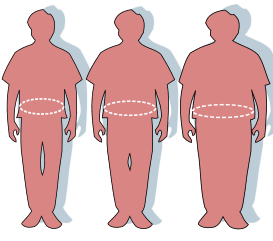
File:Obesity-waist circumference.svg - Wikimedia Commons View original
Is this image relevant?
Frontiers | Obesity as the Main Risk Factor for Metabolic Syndrome in Children View original
Is this image relevant?
Underweight - Wikipedia View original
Is this image relevant?
File:Obesity-waist circumference.svg - Wikimedia Commons View original
Is this image relevant?
Obesity and metabolic syndrome definitions
Obesity is defined as excessive body fat accumulation that impairs health. The most common screening tool is Body Mass Index (BMI), which estimates overall body fatness using a simple formula:
BMI categories classify weight status as follows:
- Underweight: < 18.5 (may indicate malnutrition)
- Normal weight: 18.5–24.9 (associated with lowest health risks)
- Overweight: 25–29.9 (increased risk for health problems)
- Obese: ≥ 30 (significantly higher risk for chronic diseases)
BMI has real limitations, though. It doesn't distinguish between muscle and fat, so a muscular athlete could register as "overweight" while having low body fat. That's why clinicians also use waist circumference to assess abdominal fat distribution, which is a stronger predictor of metabolic risk:
- Men: > 40 inches (102 cm) indicates increased health risk
- Women: > 35 inches (88 cm) indicates increased health risk
Metabolic syndrome is a cluster of conditions that, together, elevate your risk for cardiovascular disease and type 2 diabetes. You're diagnosed with metabolic syndrome if you meet at least 3 of these 5 criteria:
| Criterion | Threshold |
|---|---|
| Elevated waist circumference | Men > 40 in; Women > 35 in |
| High triglycerides | ≥ 150 mg/dL |
| Low HDL cholesterol | Men < 40 mg/dL; Women < 50 mg/dL |
| High blood pressure | ≥ 130/85 mmHg |
| Elevated fasting glucose | ≥ 100 mg/dL |
The common thread linking these criteria is insulin resistance, where your cells don't respond normally to insulin. This drives up blood sugar, triglycerides, and blood pressure while lowering protective HDL cholesterol.

Diet and lifestyle in obesity development
At its core, obesity develops when calorie intake consistently exceeds calorie expenditure. But the reasons that imbalance happens are complex and go well beyond "eating too much."
Dietary factors play a major role:
- Calorie-dense processed foods are often cheap, convenient, and engineered to be easy to overeat. They tend to be high in added sugars, refined grains, and unhealthy fats while being low in fiber and nutrients.
- Increased portion sizes have shifted what people consider a "normal" serving. A standard restaurant meal today can easily contain 1,000+ calories.
- Sugar-sweetened beverages like sodas and energy drinks add significant calories without triggering fullness the way solid food does.
Lifestyle factors compound dietary ones:
- Sedentary behavior (prolonged sitting at desks, screens) reduces daily energy expenditure
- Insufficient physical activity means fewer calories burned and less muscle mass maintained
- Poor sleep (consistently under 7 hours) disrupts hormones that regulate appetite, specifically increasing ghrelin (hunger hormone) and decreasing leptin (satiety hormone)
- Chronic stress can trigger emotional eating and raises cortisol, a hormone that promotes fat storage, especially around the abdomen
Genetic predisposition also matters. Genes like the FTO gene can influence appetite regulation and fat storage. But genetics don't act alone; they interact with your environment. Having a genetic predisposition makes obesity more likely in an environment of abundant, calorie-dense food, but it doesn't make it inevitable.
Socioeconomic factors create unequal risk. People in low-income areas often live in food deserts, where fresh fruits, vegetables, and whole grains are hard to find or afford. Limited nutrition education and fewer opportunities for physical activity (safe parks, gyms) add to the challenge.

Health consequences of obesity
Obesity affects nearly every organ system. Here are the major categories of health consequences:
Cardiovascular diseases are the leading concern. Excess body fat contributes to hypertension (high blood pressure), coronary heart disease (narrowing of arteries that supply the heart), and stroke. Obesity raises LDL cholesterol and triglycerides while lowering HDL cholesterol, all of which accelerate atherosclerosis.
Endocrine disorders, especially type 2 diabetes, are strongly linked to obesity. Excess fat, particularly visceral (abdominal) fat, worsens insulin resistance, meaning your cells can't take up glucose efficiently. Over time, the pancreas can't keep up with insulin demand, and blood sugar rises.
Other significant consequences include:
- Respiratory issues: Sleep apnea (repeated breathing interruptions during sleep) and worsened asthma from excess weight compressing the lungs
- Musculoskeletal problems: Osteoarthritis from increased stress on weight-bearing joints, and chronic back pain
- Certain cancers: Breast, colon, and endometrial cancers all have higher incidence rates in people with obesity, partly due to chronic inflammation and hormonal changes associated with excess fat tissue
- Psychological effects: Depression, anxiety, and low self-esteem frequently co-occur with obesity, creating a cycle where emotional distress can lead to further overeating
These consequences compound each other. For example, limited mobility from joint pain makes exercise harder, which promotes further weight gain, which worsens metabolic syndrome markers.
Dietary strategies for weight management
Effective weight management combines dietary changes, physical activity, and behavioral strategies. No single "magic" diet works for everyone, but several evidence-based principles apply broadly.
Calorie balance is the foundation. To lose weight, you need a moderate calorie deficit. A deficit of about 500 calories per day leads to roughly 1 pound of weight loss per week. Aiming for 1–2 pounds per week is considered safe and sustainable. Extreme calorie restriction tends to backfire by slowing metabolism and increasing muscle loss.
Macronutrient composition matters for satiety and health:
- Complex carbohydrates (whole grains, legumes, vegetables) provide sustained energy and fiber, keeping you fuller longer
- Adequate protein (lean meats, fish, tofu, beans) supports satiety and helps preserve muscle mass during weight loss
- Healthy fats (avocados, nuts, olive oil) support heart health and help you absorb fat-soluble vitamins
Evidence-based dietary patterns that support weight management include:
- Mediterranean diet: Emphasizes fruits, vegetables, whole grains, fish, and olive oil
- DASH diet: Focuses on reducing sodium while increasing potassium, calcium, and fiber
- Plant-based diets: Rich in fruits, vegetables, legumes, and whole grains; naturally high in fiber and lower in calorie density
Specific recommendations:
- Aim for 25–30g of fiber daily to promote fullness and digestive health
- Limit added sugars and refined grains, which provide calories without much nutritional value
- Drink water as your primary beverage; thirst is sometimes mistaken for hunger
- Limit sugar-sweetened beverages, which can add hundreds of calories without satisfying hunger
Behavioral strategies are just as important as what you eat:
- Eat on a regular schedule to stabilize blood sugar and prevent extreme hunger that leads to overeating
- Use smaller plates and bowls to naturally reduce portion sizes
- Practice mindful eating by slowing down and paying attention to hunger and fullness cues
- Keep a food diary to build awareness of patterns and triggers
- Plan meals in advance to reduce impulsive, less nutritious choices
- Read nutrition labels to make informed decisions about what you're actually consuming
Physical activity should complement dietary changes. The general recommendation is at least 150 minutes of moderate-intensity exercise per week (brisk walking, cycling, swimming). Including resistance training helps maintain muscle mass, which keeps your resting metabolic rate higher during weight loss.
Regular health check-ups round out the strategy. Monitoring blood pressure, fasting glucose, and lipid profiles helps you track whether your dietary and lifestyle changes are actually improving your metabolic health markers, not just the number on the scale.
See Fiveable more often in Google
Mark Fiveable as a preferred source and Google is more likely to show you our guides in Top Stories, with a "preferred" badge in AI Mode and AI Overviews.