11.4 Sustainable Food Systems and Environmental Impact

🥗Intro to Nutrition Unit 11 Review
11.4 Sustainable Food Systems and Environmental Impact
🥗 Intro to Nutrition
Sustainability in Food Systems

Top images from around the web for Concept of food sustainability
Agriculture Sustainability: It Starts with Seeds View original
Is this image relevant?
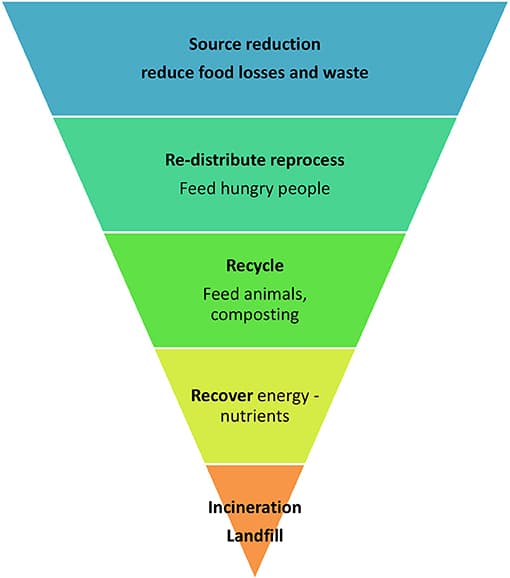
Frontiers | Food Security, Safety, and Sustainability—Getting the Trade-Offs Right View original
Is this image relevant?
Sustainable Agriculture Practices | Regenerative Agriculture View original
Is this image relevant?
Agriculture Sustainability: It Starts with Seeds View original
Is this image relevant?
Frontiers | Food Security, Safety, and Sustainability—Getting the Trade-Offs Right View original
Is this image relevant?
Concept of Food Sustainability
A sustainable food system meets current food needs without compromising the ability of future generations to meet theirs. It balances three factors: environmental stewardship, economic viability, and social equity.
In practice, sustainable agriculture focuses on conserving natural resources, preserving biodiversity, and minimizing chemical inputs like synthetic fertilizers and pesticides. On the consumer side, sustainable food choices include buying locally sourced produce, reducing meat consumption, and supporting fair trade products (such as fair trade coffee or chocolate, where farmers receive a guaranteed minimum price).

Environmental Impacts of Agriculture
Agriculture is one of the largest drivers of environmental change. Here's how different parts of the food system contribute:
- Soil and water degradation: Conventional farming depletes soil nutrients over time, accelerates erosion, and sends pesticide and fertilizer runoff into waterways, which can cause algal blooms and dead zones in lakes and coastal areas.
- Greenhouse gas emissions: Agriculture accounts for roughly 10–12% of global greenhouse gas emissions. Livestock production is a major contributor because ruminant animals like cows and sheep release methane during digestion, a gas with about 80 times the warming potential of carbon dioxide over 20 years.
- Deforestation: Large areas of forest, particularly in the Amazon, are cleared to create grazing land or grow animal feed crops like soy.
- Fisheries and aquaculture: Overfishing threatens marine ecosystems and destroys habitats like coral reefs. Fish farms can pollute surrounding waters with waste, antibiotics, and excess feed.
- Food miles: Transporting food long distances, along with the energy used in processing and packaging, adds significantly to the carbon footprint of what you eat.
- Monoculture farming: Growing a single crop over large areas reduces genetic diversity and makes the food supply more vulnerable to pests and disease. The Irish Potato Famine of the 1840s is a classic example: reliance on one potato variety left Ireland devastated when blight struck.

Promoting Sustainable Food Systems
Strategies for Sustainable Food Systems
There are several approaches to making food production less harmful to the environment:
Reducing food waste is one of the most impactful strategies. Roughly one-third of all food produced globally is lost or wasted. Techniques include improved storage (like vacuum sealing to extend shelf life), composting organic scraps to return nutrients to the soil, and donating surplus food to food banks.
Sustainable farming practices work with natural systems rather than against them:
- Crop rotation alternates different crops on the same land across seasons, which replenishes soil nutrients and breaks pest cycles.
- Intercropping grows multiple crop species together in the same field, improving biodiversity and reducing pest pressure.
- Integrated pest management (IPM) combines biological controls, habitat management, and targeted pesticide use to minimize chemical inputs.
- Precision agriculture uses technology like GPS-guided tractors and drone monitoring to apply water, fertilizer, and pesticides only where needed, cutting waste and cost.
Alternative production methods are expanding what's possible in food production. Vertical farming and hydroponics grow crops indoors in stacked layers using nutrient-rich water instead of soil, which uses far less land and water. Aquaponics combines fish farming with plant cultivation in a closed loop. Agroforestry integrates trees with crops or livestock, improving soil health and carbon storage.
Sustainable packaging and distribution reduce environmental impact through biodegradable materials (like cornstarch-based plastics), optimized transportation routes, and local food hubs and farmers markets that shorten the distance food travels.
Individual vs. Societal Actions
Sustainability requires action at every level, from personal choices to national policy.
Consumer choices can shift demand toward more sustainable options. Buying seasonal and locally grown produce cuts transportation emissions. Adopting more plant-based meals reduces the resource-intensive demand for meat. Choosing certified sustainable seafood (look for the MSC label) supports responsible fishing practices.
Community initiatives build local food resilience. Community gardens and urban farming projects increase access to fresh food in cities. Food cooperatives let members buy directly from local producers, and farm-to-school programs connect students with where their food comes from.
Policy and regulation create the framework for large-scale change. Examples include subsidies that reward sustainable farming practices, carbon pricing that makes polluters pay for emissions, and labeling requirements that help consumers identify sustainably produced food.
Education and awareness matter because people can't make better choices without understanding the issues. School programs on food systems, public campaigns on reducing food waste, and efforts to build basic cooking skills all contribute to a more food-literate population.
Technology and innovation are opening new possibilities. Plant-based meat alternatives (like Beyond Meat) aim to replicate the taste and texture of meat with a fraction of the environmental cost. Precision agriculture tools like drone crop monitoring help farmers use resources more efficiently. Blockchain technology is even being used to trace food from farm to table, improving transparency and accountability in the supply chain.
See Fiveable more often in Google
Mark Fiveable as a preferred source and Google is more likely to show you our guides in Top Stories, with a "preferred" badge in AI Mode and AI Overviews.