10.5 Nutrition and Bone Health

🥗Intro to Nutrition Unit 10 Review
10.5 Nutrition and Bone Health
🥗 Intro to Nutrition
Calcium and Vitamin D for Bone Health
Calcium and vitamin D work as a team to build and maintain strong bones. Calcium provides the structural material, while vitamin D makes sure your body can actually absorb and use that calcium. Without enough of either one, bones weaken over time, raising the risk of fractures and conditions like osteoporosis.

Top images from around the web for Calcium and vitamin D for bones
Frontiers | Osteocalcin—A Versatile Bone-Derived Hormone View original
Is this image relevant?
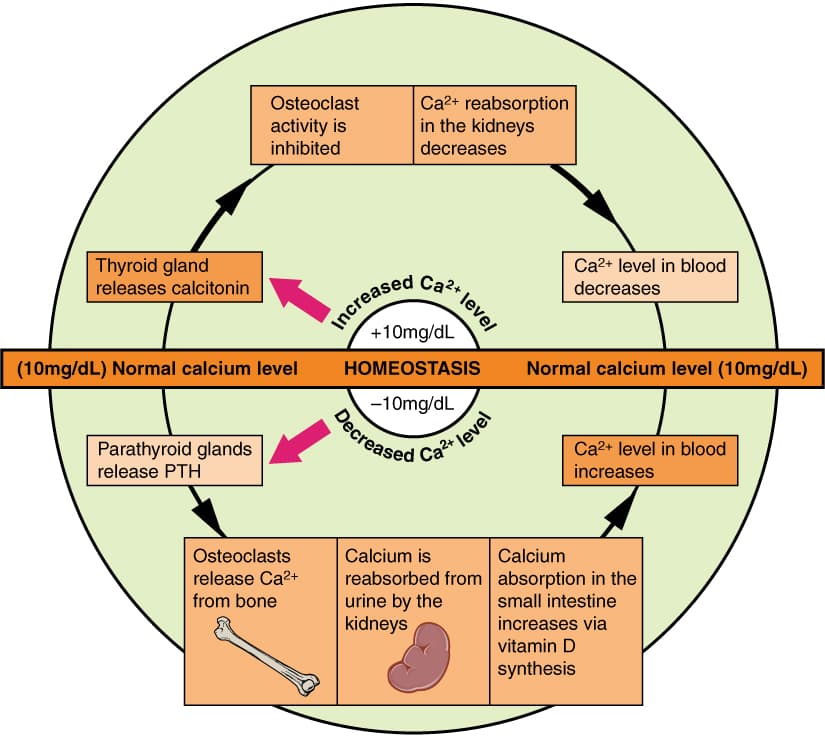
Calcium Homeostasis: Interactions of the Skeletal System and Other Organ Systems | Anatomy and ... View original
Is this image relevant?
Bone and Calcium | Boundless Anatomy and Physiology View original
Is this image relevant?
Frontiers | Osteocalcin—A Versatile Bone-Derived Hormone View original
Is this image relevant?
Calcium Homeostasis: Interactions of the Skeletal System and Other Organ Systems | Anatomy and ... View original
Is this image relevant?
How They Work Together
About 99% of the calcium in your body is stored in your bones and teeth, where it provides strength and rigidity. But bone isn't static. Your skeleton is constantly being broken down and rebuilt through a process called bone remodeling. Calcium is the key mineral deposited during that rebuilding phase.
Vitamin D supports this process at multiple points:
- It enhances calcium absorption in the intestines, so more of the calcium you eat actually enters your bloodstream
- It promotes calcium reabsorption in the kidneys, reducing how much calcium you lose through urine
- It helps incorporate calcium into bone tissue during mineralization, the process that hardens new bone
Without adequate vitamin D, your body may absorb as little as 10–15% of dietary calcium. With sufficient vitamin D, that number jumps to around 30–40%.

Sources and Absorption of Calcium
Dairy products like milk, yogurt, and cheese are among the most bioavailable sources of calcium, meaning your body absorbs the calcium from them efficiently.
Non-dairy options include:
- Leafy greens like kale and collard greens (though spinach is high in calcium, its oxalate content blocks most absorption)
- Fortified foods such as orange juice, plant-based milks, and certain cereals
- Canned fish with edible bones, like sardines and canned salmon
Several factors affect how well your body absorbs calcium:
- Vitamin D status is the biggest factor. Low vitamin D means poor calcium absorption regardless of intake.
- Phytates (in whole grains and legumes) and oxalates (in spinach, beets, and rhubarb) bind to calcium and reduce absorption
- Age matters. Calcium absorption declines as you get older, which is one reason osteoporosis risk increases with age.
- High sodium intake increases calcium loss through urine, shifting your calcium balance in the wrong direction

Exercise and Dietary Factors Affecting Bone Health
Weight-Bearing Exercise for Bones
Weight-bearing exercise is one of the most effective ways to build and maintain bone density. When you put mechanical stress on your bones, it stimulates cells called osteoblasts to lay down new bone tissue. Over time, this increases bone mineral density and improves the internal architecture of bone, making fractures less likely.
Types of weight-bearing exercise that benefit bones:
- Walking and jogging are accessible starting points
- Dancing adds balance and coordination training on top of the bone-loading benefit
- Resistance training (using weights, bands, or bodyweight) builds both bone and the surrounding muscle, which also helps prevent falls
The balance and coordination improvements from these activities matter too. Many fractures in older adults result from falls, not just weak bones.
Dietary Factors That Affect Bone Density
Beyond calcium and vitamin D, several other nutrients and dietary habits influence bone health.
Nutrients that support bones:
- Protein provides the building blocks for the bone matrix (the collagen framework that calcium deposits onto). Moderate protein intake supports bone strength, though very high protein intake may increase urinary calcium loss.
- Vitamin K activates osteocalcin, a protein that helps bind calcium into bone. Good sources include leafy greens and fermented foods.
- Magnesium acts as a cofactor for enzymes involved in bone formation. About 60% of your body's magnesium is stored in bone.
- Phosphorus is a component of hydroxyapatite, the mineral crystal that gives bone its hardness. Most people get plenty of phosphorus from meat, dairy, and processed foods.
Dietary habits that can weaken bones:
- Excessive sodium increases how much calcium your kidneys excrete, pulling from your calcium reserves over time
- High caffeine intake can slightly reduce calcium absorption, though moderate consumption (2–3 cups of coffee per day) has minimal impact if calcium intake is adequate
- High acid-producing diets heavy in processed foods and low in fruits and vegetables may increase mineral loss from bone. Fruits and vegetables are alkaline-forming and help buffer that acid load, supporting calcium retention.
See Fiveable more often in Google
Mark Fiveable as a preferred source and Google is more likely to show you our guides in Top Stories, with a "preferred" badge in AI Mode and AI Overviews.