9.2 Hydration and Electrolyte Balance

🥗Intro to Nutrition Unit 9 Review
9.2 Hydration and Electrolyte Balance
🥗 Intro to Nutrition
Hydration Basics and Athletic Performance
Proper hydration directly affects how well you perform during exercise. Even mild dehydration (losing just 2% of your body weight in fluid) can reduce endurance, slow reaction times, and make exercise feel significantly harder. This section covers how to spot dehydration, calculate your personal fluid needs, and choose the right beverages for different activities.

Top images from around the web for Signs and symptoms of dehydration
Frontiers | Time for a Systems Biological Approach to Cognitive Aging?—A Critical Review View original
Is this image relevant?
La disidratazione – VitAntica View original
Is this image relevant?
Water Balance | Anatomy and Physiology II View original
Is this image relevant?
Frontiers | Time for a Systems Biological Approach to Cognitive Aging?—A Critical Review View original
Is this image relevant?
La disidratazione – VitAntica View original
Is this image relevant?
Signs and Symptoms of Dehydration
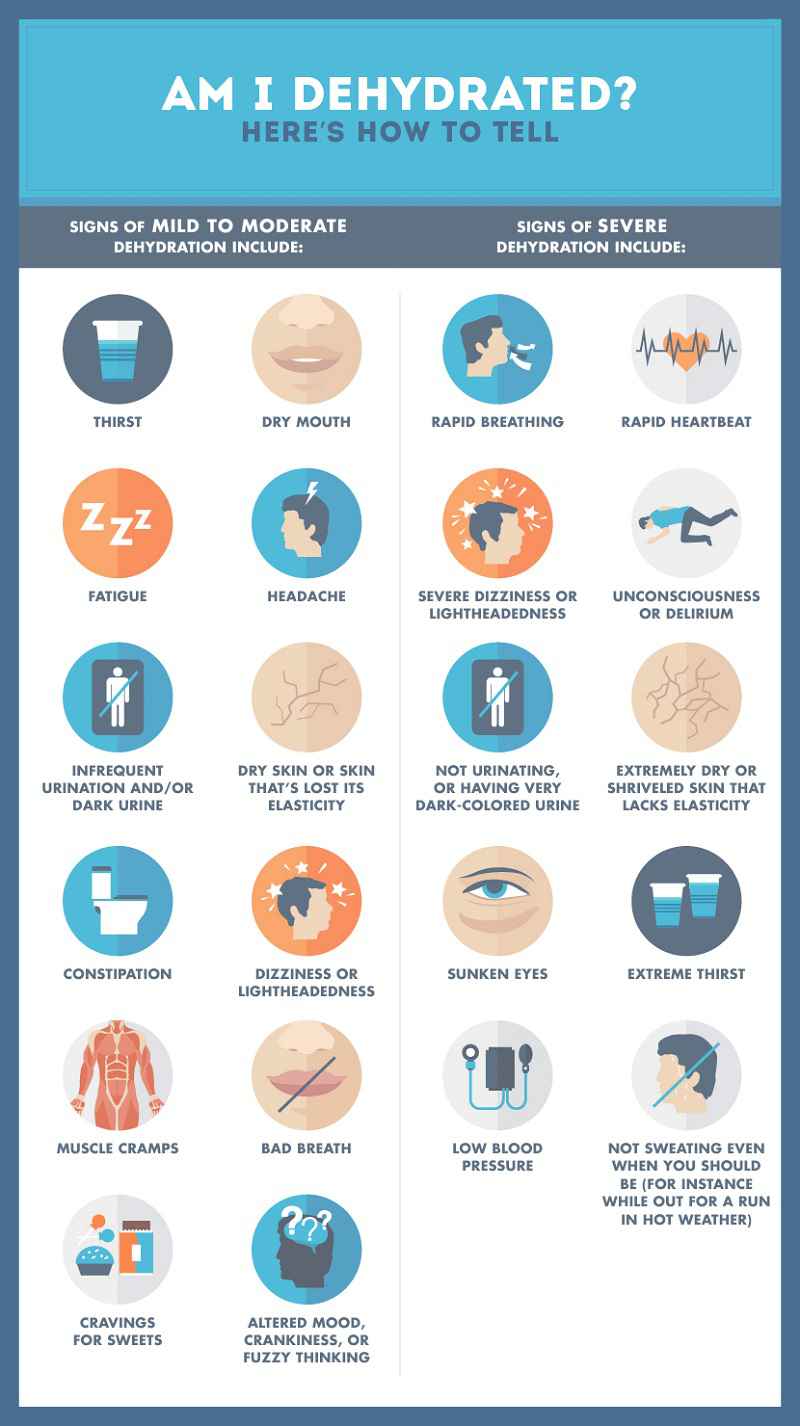
Dehydration shows up in three main ways: physical symptoms, cognitive changes, and deeper physiological effects that hurt performance.
Physical signs progress from mild to severe:
- Thirst, dry mouth, and dry lips (early warning signs)
- Decreased urine output and dark-colored urine
- Fatigue, dizziness, and headache
Cognitive symptoms are easy to overlook but matter a lot during competition:
- Decreased concentration and impaired decision-making
- Mood changes like irritability and confusion
Physiological effects explain why performance drops:
- Heart rate increases because blood volume decreases, so your heart has to pump faster to deliver the same amount of oxygen
- Sweat rate drops, which impairs thermoregulation (your body's ability to cool itself)
- The result is decreased endurance, reduced power output, slower reaction times, and increased perceived exertion (the same workout just feels harder)

Calculation of Fluid Needs
Fluid needs vary from person to person. Here's how to approach hydration before, during, and after exercise.
Pre-exercise hydration:
- Drink 5–7 mL per kg of body weight about 4 hours before exercise
- Check your urine color. If it's still dark 2 hours before exercise, drink an additional 3–5 mL per kg
During exercise:
Your goal is to replace fluids at a rate close to your sweat rate. To calculate your sweat rate:
As a general guideline, aim to drink 150–350 mL every 15–20 minutes during activity. Your actual needs depend on your calculated sweat rate.
Post-exercise rehydration:
Replace 150% of the fluid you lost, spread over the 4–6 hours after exercise. That works out to about 1.5 L for every 1 kg of body weight lost. The extra 50% accounts for ongoing urine and sweat losses during recovery.
Factors that change your fluid needs:
- Individual: body size, metabolic rate, fitness level, and heat acclimatization (trained and acclimatized athletes tend to sweat more efficiently)
- Environmental: high temperature, high humidity, altitude, and wind speed all increase fluid loss

Hydration Strategies and Beverage Choices
Water vs. Electrolytes in Hydration
Water makes up the bulk of blood plasma, regulates body temperature through sweating, transports nutrients and waste, and lubricates joints. But water alone doesn't always cut it. Electrolytes are minerals that carry an electrical charge, and they're essential for fluid balance and muscle function.
The key electrolytes to know:
- Sodium maintains fluid balance and supports nerve signaling. It's the electrolyte you lose the most of in sweat.
- Potassium regulates muscle contractions and heart rhythm
- Chloride helps maintain proper blood pH
- Magnesium supports muscle and nerve function
- Calcium aids in muscle contractions
Why does this matter? Electrolyte concentration determines osmolality, which controls how fluid moves between your blood, cells, and tissues. If you drink large amounts of plain water without replacing sodium (especially during long events), you risk hyponatremia, a dangerously low blood sodium level. On the flip side, losing too much water without replacing it can cause hypernatremia (high sodium concentration). Maintaining the right balance keeps fluid distributed where your body needs it.
Beverage Choices for Sports
Not every activity calls for the same drink. Here's a practical breakdown:
Water is the best choice for most activities lasting under 60 minutes and for low-intensity exercise. For short workouts, you generally don't need anything else.
Sports drinks become beneficial when exercise lasts longer than 60 minutes or takes place in hot, humid conditions. They provide both carbohydrates (typically at a 6–8% concentration, which is the range that empties from the stomach most efficiently) and electrolytes, especially sodium. This combination helps maintain energy and fluid balance during prolonged effort.
Electrolyte tablets or powders can be added to water for customized replacement. These are especially useful for athletes who have high sweat rates or who are heavy sodium losers (you can identify this if you notice white salt residue on your skin or clothing after exercise).
Coconut water is a natural source of potassium and other electrolytes, but it's lower in sodium than sports drinks. It can work for lighter activity but isn't ideal as a sole replacement during heavy sweating.
Milk and chocolate milk are effective post-exercise recovery drinks. Chocolate milk in particular has a favorable ratio of carbohydrates to protein (roughly 3:1 or 4:1), plus it provides electrolytes and fluid for rehydration.
Sport-specific considerations:
- Endurance events (marathon, cycling): prioritize consistent electrolyte and carbohydrate replacement throughout
- Team sports (soccer, basketball): focus on quick hydration during breaks since opportunities to drink are limited
- Weight-class sports (wrestling, boxing): fluid intake needs careful monitoring to maintain competition weight without compromising performance
See Fiveable more often in Google
Mark Fiveable as a preferred source and Google is more likely to show you our guides in Top Stories, with a "preferred" badge in AI Mode and AI Overviews.