12.4 The Future of Nutrition: Personalized Nutrition and Nutrigenomics

🥗Intro to Nutrition Unit 12 Review
12.4 The Future of Nutrition: Personalized Nutrition and Nutrigenomics
🥗 Intro to Nutrition
Foundations of Personalized Nutrition
Personalized nutrition tailors dietary advice to your unique genetic makeup, lifestyle, and environment. Instead of following general guidelines designed for the average person, it uses individual data to optimize health outcomes. This approach is gaining traction because the same diet can affect two people very differently depending on their genes, gut bacteria, and metabolism.
Nutrigenomics is the study of how genes and nutrients interact to affect health and disease. It's one of the main tools driving personalized nutrition forward. By looking at your genetic profile, researchers can start to predict how you'll respond to certain foods and nutrients, then use that information to shape dietary recommendations.

Top images from around the web for Define personalized nutrition and explain its importance in modern healthcare
Frontiers | Nutritional Modulation of Gene Expression: Might This be of Benefit to Individuals ... View original
Is this image relevant?
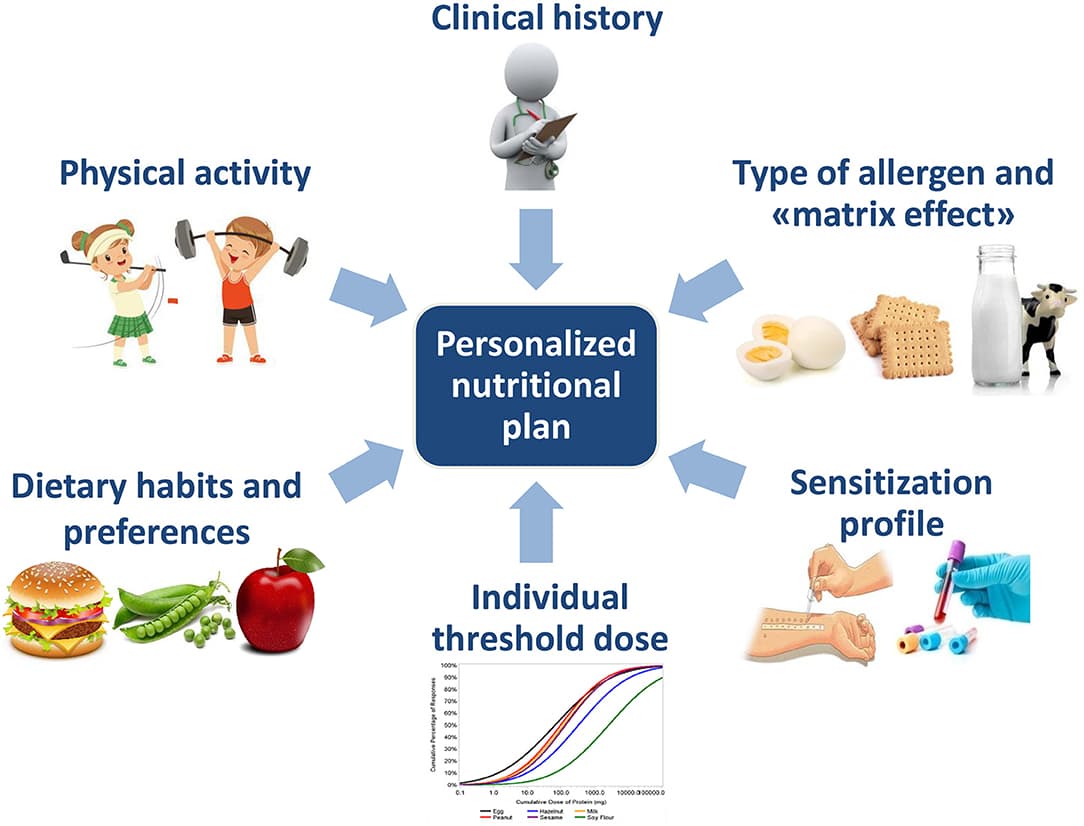
Frontiers | Personalized Nutrition in Food Allergy: Tips for Clinical Practice View original
Is this image relevant?
Frontiers | Challenges in Personalized Nutrition and Health View original
Is this image relevant?
Frontiers | Nutritional Modulation of Gene Expression: Might This be of Benefit to Individuals ... View original
Is this image relevant?
Frontiers | Personalized Nutrition in Food Allergy: Tips for Clinical Practice View original
Is this image relevant?
Key Components of Nutrigenomics
- Gene expression analysis looks at which genes are turned "on" or "off" in response to dietary factors
- Single nucleotide polymorphisms (SNPs) are small genetic variations between individuals that can influence how you metabolize nutrients. For example, variations in the MTHFR gene affect how your body processes folate, which matters for cell growth and DNA repair.
- Epigenetic modifications are changes in gene activity caused by environmental factors (including diet) that don't alter your DNA sequence itself but can still shape health outcomes
Together, these components help explain why a low-carb diet might work well for one person while a low-fat diet works better for someone else. The goal is to move past trial-and-error and toward evidence-based, individualized plans.

Applications and Future Directions

Disease Prevention and Management
Personalized nutrition has real potential for preventing and managing chronic diseases:
- Cardiovascular disease and type 2 diabetes: Genetic testing can identify people at higher risk, allowing for earlier, more targeted dietary interventions rather than waiting for symptoms to appear.
- Weight management: Variations in genes like the FTO gene (sometimes called the "fat mass and obesity-associated gene") influence appetite regulation and fat storage. Knowing your genetic predispositions could help shape a weight management plan that actually fits your biology.
- Nutrient deficiencies: Genetic screening can flag individuals who are more likely to develop specific deficiencies. For instance, someone with certain gene variants may absorb iron poorly, making them more vulnerable to iron-deficiency anemia.
- Food intolerances: Genetic testing can identify predispositions to conditions like lactose intolerance, helping people adjust their diets before symptoms become a recurring problem.
Ethical Considerations and Challenges
Personalized nutrition raises several important concerns that are still being worked out:
- Privacy and data security: Genetic information is deeply personal. Who stores it, who can access it, and how it's protected are major unresolved questions.
- Accessibility and equity: Genetic testing and personalized plans can be expensive. If only wealthier populations can access these tools, it could widen existing health disparities rather than close them.
- Interpretation risks: Genetic data is complex. Without qualified professionals to interpret results, people may draw incorrect conclusions or make unnecessary dietary changes based on misunderstood risk factors.
- Regulation and standardization: The market for direct-to-consumer genetic tests is growing fast, but standards for quality and reliability vary widely. There's no universal framework yet to ensure these tests and the dietary advice based on them are trustworthy.
Emerging Technologies
Several technologies are shaping where personalized nutrition is headed:
- Artificial intelligence and machine learning can process massive, complex datasets (genetics, diet logs, health records) to generate personalized dietary recommendations that would be impossible for a human to calculate manually.
- Wearable devices and biosensors allow real-time tracking of how your body responds to food. Continuous glucose monitors, for example, can show how your blood sugar reacts to specific meals, giving you immediate, actionable feedback.
- Microbiome analysis examines the trillions of bacteria in your gut. Since gut microbiota composition affects digestion, immunity, and even mood, tailoring your diet to support a healthy microbiome is a growing area of research.
- Metabolomics analyzes the full set of metabolites in your body to build a snapshot of your current metabolic state. This can identify biomarkers for nutrient status and disease risk, adding another layer of data for personalizing dietary plans.
These technologies are still developing, and most aren't yet part of routine healthcare. But they represent the direction the field is moving: toward nutrition advice that's based on your actual biology, not just population averages.
See Fiveable more often in Google
Mark Fiveable as a preferred source and Google is more likely to show you our guides in Top Stories, with a "preferred" badge in AI Mode and AI Overviews.