18.2 Social Relationships and Support Systems

👶Developmental Psychology Unit 18 Review
18.2 Social Relationships and Support Systems
👶 Developmental Psychology
Social Relationship Theories

Top images from around the web for Theories Explaining Social Relationships in Late Adulthood
Frontiers | Cognitive Processes Unfold in a Social Context: A Review and Extension of Social ... View original
Is this image relevant?
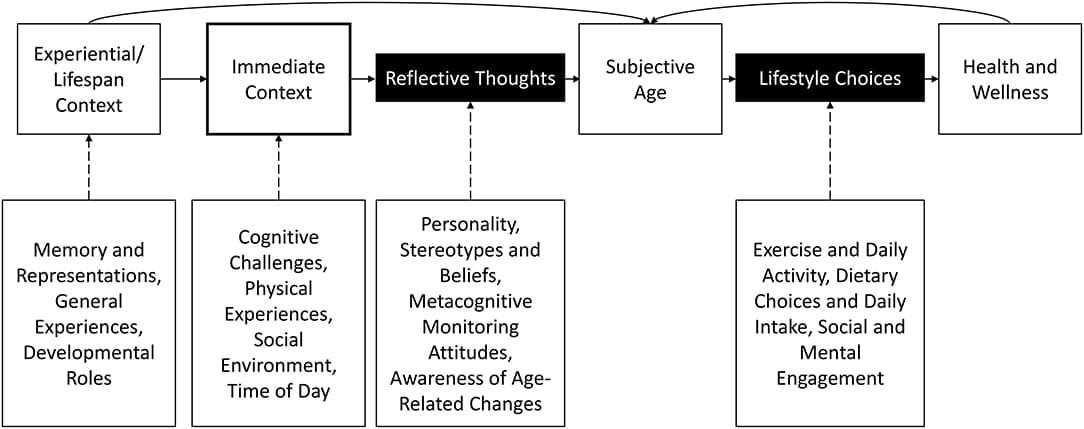
Frontiers | Aging in Context: Incorporating Everyday Experiences Into the Study of Subjective Age View original
Is this image relevant?
Frontiers | Cognitive Processes Unfold in a Social Context: A Review and Extension of Social ... View original
Is this image relevant?
Frontiers | Aging in Context: Incorporating Everyday Experiences Into the Study of Subjective Age View original
Is this image relevant?
Theories Explaining Social Relationships in Late Adulthood
Two major theories help explain how social networks function and change in late adulthood.
The social convoy model proposes that each person is surrounded by a network of social relationships that travels with them through life. Picture concentric circles: the innermost circle holds your closest relationships (spouse, best friend), the middle circle holds good friends and family, and the outer circle holds more casual contacts. These layers provide different levels of support and influence, and the convoy shifts over time as people enter and leave your life.
Socioemotional selectivity theory (SST) takes a different angle. It argues that as people age and perceive their remaining time as limited, they become increasingly selective about who they spend time with. Rather than expanding their networks or seeking new information through social contacts, older adults prioritize emotionally meaningful relationships.
- Older adults tend to invest in a smaller circle of close relationships that provide emotional satisfaction, such as family and long-time friends
- There's less motivation to form new acquaintances or maintain relationships that feel superficial
- This isn't a loss; it's an active choice that tends to increase emotional well-being
Two related but distinct concepts are important to distinguish here:
Loneliness is a subjective feeling of being alone or disconnected. You can feel lonely in a crowded room. Risk factors include losing a spouse, living alone, and having limited social connections. Loneliness is linked to negative physical and mental health outcomes, including increased inflammation and higher rates of depression.
Social isolation is the objective lack of social contacts and interactions. Contributing factors in late adulthood include retirement, mobility limitations, and the deaths of friends and family members. Social isolation can be a risk factor for loneliness, but not everyone who is socially isolated feels lonely. Some older adults have few contacts but feel content with them.
Impact of Social Relationships on Well-being
Strong social relationships are consistently associated with better physical and mental health outcomes in older adults.
- Social support can buffer against stress, provide practical assistance, and encourage healthy behaviors like staying active or keeping medical appointments
- Meaningful social activities provide a sense of purpose and belonging, which contributes to life satisfaction
The flip side is significant. Lack of social connection carries real consequences:
- Social isolation and loneliness are linked to increased risk of depression, cognitive decline, cardiovascular disease, and even mortality
- Older adults who are socially isolated may have limited access to resources and support when facing health challenges or other difficulties
Family and Intergenerational Connections
Family Relationships in Late Adulthood
Family relationships often become the primary source of support and companionship in late adulthood. Adult children may provide practical help, emotional support, and assistance with decision-making for aging parents. Siblings can serve as a unique source of shared history and mutual understanding that no other relationship replicates.
Changes in family structure and roles reshape these dynamics:
- Retirement, widowhood, and health challenges can alter who depends on whom and how responsibilities are distributed
- Grandparenting roles often provide a renewed sense of purpose and connection to younger generations
- Some older adults take on primary caregiving roles for grandchildren, which can be both rewarding and demanding
The quality of family relationships matters more than their mere existence. Positive, supportive family ties are associated with greater well-being and resilience. Strained or conflictual family relationships, on the other hand, can be a significant source of stress and can actually worsen health outcomes.

Intergenerational Relationships and Friendships
Intergenerational relationships involve connections between people of different age groups, and they offer mutual benefits.
- Grandparent-grandchild relationships can provide emotional bonding, a sense of legacy, and practical support flowing in both directions
- Mentoring relationships between older and younger adults facilitate the transmission of knowledge, skills, and values, which connects to Erikson's concept of generativity
Friendships in late adulthood tend to reflect the principles of socioemotional selectivity theory. Older adults often maintain a smaller, close-knit circle of long-time friends rather than seeking out new social contacts. Shared life experiences and similar challenges (retirement, health concerns, loss of loved ones) can deepen these bonds.
Social activities with friends also serve a protective function:
- Group activities like book clubs, exercise classes, or religious gatherings provide regular social interaction around shared interests
- Maintaining active friendships helps combat loneliness and social isolation
- These activities also offer cognitive stimulation, which supports brain health
Social Support and Engagement
Social Support Networks and Their Benefits
Social support networks are the web of relationships that provide assistance and resources. Researchers identify three main types of support:
- Emotional support: empathy, love, trust, and caring from others
- Instrumental support: tangible aid like help with daily tasks, transportation, or financial assistance
- Informational support: advice, guidance, and useful information for problem-solving
A diverse and robust support network enhances well-being and resilience. Feeling supported promotes a sense of security, belonging, and self-worth. Social support also helps people cope with the transitions common in late adulthood, such as retirement, health decline, or bereavement.
Several factors influence how available and effective social support actually is:
- Older adults with limited mobility or transportation may struggle to access their support networks in person
- Geographic distance from family can reduce the frequency of instrumental support
- Cultural norms shape expectations about who provides support and what kinds of help are appropriate
Community Engagement and Technology
Community involvement provides structured opportunities for social interaction and a sense of purpose.
- Volunteering, attending religious services, and joining clubs or interest groups all foster a sense of belonging
- Community service or advocacy work gives older adults a way to contribute meaningfully, which supports their sense of identity and self-worth
Technology plays a growing role in maintaining social connections for older adults. Platforms like Facebook and video chat applications help sustain long-distance relationships with family and friends. Online support groups and forums connect people facing similar challenges, such as caregiving responsibilities or chronic illness, creating communities that might not be accessible in person.
Technology also helps overcome barriers to social participation:
- Assistive technologies like hearing aids and mobility devices reduce physical obstacles to social engagement
- Online learning platforms and virtual events provide intellectual stimulation and social interaction for those who have difficulty leaving home
- However, the "digital divide" remains a real barrier, as some older adults lack access to technology or the skills to use it comfortably
See Fiveable more often in Google
Mark Fiveable as a preferred source and Google is more likely to show you our guides in Top Stories, with a "preferred" badge in AI Mode and AI Overviews.