18.3 Psychological Well-being and Life Satisfaction

👶Developmental Psychology Unit 18 Review
18.3 Psychological Well-being and Life Satisfaction
👶 Developmental Psychology
Psychological Well-being
Psychological well-being in late adulthood goes beyond simply living longer. It captures how satisfied, purposeful, and emotionally balanced older adults feel about their lives. Understanding what drives well-being at this stage helps explain why some people thrive in later years while others struggle.

Top images from around the web for Components of Psychological Well-being
The Pursuit of Happiness | Introduction to Psychology View original
Is this image relevant?
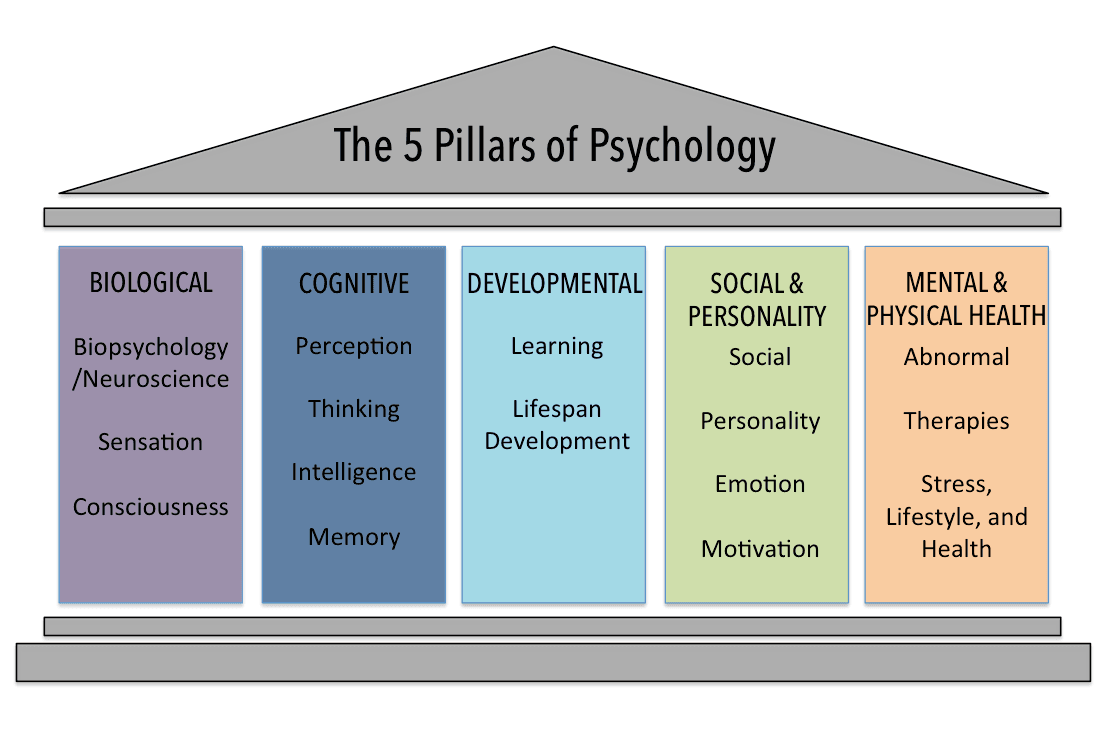
The Five Psychological Domains | Introduction to Psychology View original
Is this image relevant?
The Pursuit of Happiness – Introduction to Psychology [Lumen/OpenStax] View original
Is this image relevant?
The Pursuit of Happiness | Introduction to Psychology View original
Is this image relevant?
The Five Psychological Domains | Introduction to Psychology View original
Is this image relevant?
Components of Psychological Well-being
Subjective well-being is a person's overall evaluation of their own life. It has two parts: positive affect (feelings like joy and contentment) and negative affect (feelings like sadness and anger). A person with high subjective well-being experiences more positive emotions than negative ones over time.
Life satisfaction is the cognitive side of well-being. It's a deliberate judgment about how your life measures up against your own standards, whether those involve relationships, health, finances, or other personal criteria. Two people in similar circumstances can report very different life satisfaction depending on what they value most.
Three additional components round out the picture:
- Self-acceptance means holding a realistic but positive view of yourself, acknowledging both strengths and limitations without harsh self-judgment.
- Purpose in life involves having goals and a sense of direction, feeling that your daily activities and your life as a whole carry meaning.
- Personal growth refers to continuing to develop your potential, learn new things, and build new skills, even in older adulthood.
Factors Influencing Psychological Well-being
Several factors shape how well older adults fare psychologically:
- Social support from family, friends, and community provides both emotional comfort and practical help. Older adults with strong social networks consistently report higher well-being.
- Meaningful activities like volunteering, hobbies, or caregiving contribute to a sense of purpose. Research shows that older adults who volunteer regularly report greater life satisfaction and fewer depressive symptoms.
- Physical health matters significantly. Regular exercise, balanced nutrition, and preventive healthcare all support not just the body but also mood and cognitive function.
- Financial stability and access to resources like healthcare reduce chronic stress, which directly affects psychological health.
- Personality traits play a role too. Optimism, extraversion, and emotional stability are all linked to higher well-being in late adulthood. These traits tend to be fairly stable over time, but they aren't fixed; social engagement and purposeful activity can shift a person's outlook.
![Components of Psychological Well-being, The Pursuit of Happiness – Introduction to Psychology [Lumen/OpenStax]](https://storage.googleapis.com/static.prod.fiveable.me/search-images%2F%22Components_of_psychological_well-being%3A_subjective_well-being_life_satisfaction_self-acceptance_purpose_personal_growth_infographic%22-CNX_Psych_14_05_Happiness.jpg)
Successful Aging
Defining Successful Aging
Successful aging describes the process of maintaining physical, cognitive, and social functioning while adapting to age-related changes. It reframes aging as something more than decline. The focus is on what older adults can do and continue to develop, not just what they lose.
A few related concepts are central here:
- Positive aging emphasizes growth, development, and fulfillment in older adulthood rather than treating aging as purely a story of loss.
- Resilience is the capacity to recover from adversity, adapt to new challenges, and maintain well-being even under stress or after loss. Resilient older adults tend to draw on past coping experiences and strong social ties.
- Wisdom involves integrating knowledge, life experience, and emotional insight to navigate complex situations. It's often considered a hallmark of successful aging, though not everyone develops it automatically.

Strategies for Promoting Successful Aging
- Stay physically active. Activities like walking, swimming, or yoga help maintain mobility, strength, and cardiovascular health. Even moderate exercise reduces the risk of depression and cognitive decline.
- Maintain social connections. Regular contact with family, friends, and community groups reduces isolation, which is one of the strongest risk factors for poor well-being in late adulthood.
- Challenge the mind. Intellectually stimulating activities such as reading, puzzles, learning a new language, or taking classes help preserve cognitive function.
- Find meaning. Older adults who actively seek purpose through mentoring, creative work, or spiritual practice tend to show greater resilience and life satisfaction.
- Adopt healthy lifestyle habits. Avoiding smoking, limiting alcohol, and managing chronic conditions through preventive care all contribute to longer, more satisfying lives.
Erikson's Developmental Stage
Integrity vs. Despair
Erik Erikson's eighth and final stage of psychosocial development, integrity vs. despair, takes place in late adulthood (roughly age 65 and beyond). This stage centers on a fundamental question: When you look back on your life, do you feel it was meaningful and well-lived?
Integrity is the positive resolution. A person who achieves integrity can reflect on their life with a sense of fulfillment and coherence. This doesn't mean they had a perfect life. It means they've come to terms with their choices, accomplishments, and failures, and they see their life as having mattered.
Despair is the negative outcome. It's marked by regret, bitterness, and the feeling that life was wasted or that it's too late to change course. A person stuck in despair may fixate on missed opportunities or unresolved conflicts.
Successfully resolving this stage leads to wisdom, which Erikson defined as an informed, detached concern with life in the face of death. It brings a sense of peace and acceptance of mortality.
Factors Influencing Integrity vs. Despair
How a person resolves this stage depends on several interacting factors:
- Earlier psychosocial development matters. Successfully navigating previous Eriksonian stages (building trust, identity, intimacy, generativity) creates a foundation for integrity. Unresolved conflicts from earlier stages can make despair more likely.
- Close relationships provide connection and emotional support during this reflective period. Older adults who feel valued by family and friends find it easier to view their lives positively.
- Meaningful engagement through mentoring, volunteering, or creative work reinforces a sense of generativity that carries into this final stage.
- Spiritual or religious beliefs can offer a framework for making sense of suffering, loss, and mortality, helping some older adults reach acceptance.
- Societal attitudes toward aging also play a role. Cultures that respect and include older adults tend to support more positive resolutions, while ageism and lack of resources can push people toward despair.
See Fiveable more often in Google
Mark Fiveable as a preferred source and Google is more likely to show you our guides in Top Stories, with a "preferred" badge in AI Mode and AI Overviews.