1.1 Introduction to the engineering profession

🫠Intro to Engineering Unit 1 Review
1.1 Introduction to the engineering profession
🫠 Intro to Engineering
Engineering: Definition and Disciplines
Core Engineering Concepts
Engineering is the application of scientific and mathematical principles to design, build, and improve solutions for real-world problems. It's what connects theoretical knowledge to things people actually use, from bridges to biomedical implants.
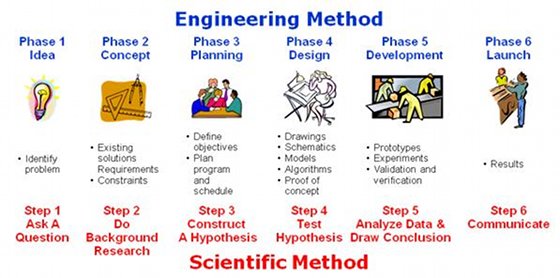
- Engineers follow a systematic approach to problem-solving: analyze the problem, design a solution, test it, and implement it
- Most real-world engineering challenges require interdisciplinary collaboration, pulling expertise from multiple fields to tackle complex projects
- Systems engineering is the practice of integrating various engineering disciplines to manage large-scale, complex projects where no single specialty covers everything
Traditional and Emerging Engineering Fields
The major engineering disciplines each focus on a specific domain of technology:
- Mechanical engineering covers machines, engines, robotics, and thermal systems
- Electrical engineering deals with power systems, electronics, and telecommunications
- Civil engineering focuses on infrastructure like roads, bridges, buildings, and water systems
- Chemical engineering involves industrial processes, materials science, and pharmaceuticals
Emerging fields blend principles from multiple traditional disciplines to address newer challenges:
- Biomedical engineering applies engineering to healthcare, producing medical devices, prosthetics, and tissue-engineered materials
- Environmental engineering tackles pollution control, waste management, and renewable energy systems
- Aerospace engineering covers the design and development of aircraft, spacecraft, and satellites
Software engineering deserves its own mention. It applies engineering principles to the design, development, and maintenance of software systems, spanning web development, mobile apps, and artificial intelligence. It's one of the fastest-growing branches of the profession.
Engineers' Roles and Responsibilities

Professional Duties and Ethics
Engineers design, develop, and maintain the infrastructure, products, and systems that modern society depends on. That role comes with significant professional obligations.
- Engineers must adhere to ethical standards centered on safety, sustainability, and social responsibility
- Professional licensure is required for certain roles (especially in civil and structural engineering). The path to becoming a licensed Professional Engineer (PE) involves education, supervised experience, and standardized exams
- Engineering societies and regulatory bodies like IEEE (electrical/electronics), ASME (mechanical), and ASCE (civil) set codes of conduct and professional standards that members are expected to follow
- Continuing education is not optional in practice. Technology changes fast, and engineers need to stay current
- Engineers often serve as technical advisors to policymakers, businesses, and other stakeholders, translating complex technical realities into actionable guidance
Driving Innovation and Progress
Engineers advance technology across industries like automotive, aerospace, and telecommunications. Their work goes beyond building new things:
- Contributing to scientific research and developing new materials, processes, and technologies
- Collaborating with professionals from other fields to solve problems that cross disciplinary boundaries
- Analyzing and optimizing existing systems to improve efficiency and performance
- Developing and implementing quality control measures to ensure products are reliable and safe
Engineering for Problem Solving
Addressing Global Challenges
Engineers provide practical solutions to some of the world's biggest problems. Here are a few key areas:
Climate and energy: Renewable energy systems, carbon capture technologies, smart grids, and energy-efficient building design all come from engineering work.
Healthcare: Engineers contribute to medical imaging, drug delivery systems, and telemedicine platforms that expand access to care.
Transportation: Electric vehicles, autonomous driving systems, and high-speed rail are all engineering-driven innovations reshaping how people move.
Communication: 5G networks, satellite communications, and the Internet of Things (IoT) rely on engineers to design and deploy.
Engineers also design resilient infrastructure and early warning systems that help communities prepare for, respond to, and recover from natural disasters.
Economic and Societal Impact
- Engineering innovations drive industrial growth and create entirely new industries and job markets
- Safer, more efficient, and more accessible products improve quality of life broadly
- Improved infrastructure and transportation systems directly enhance public safety
- Engineers contribute to environmental conservation through better resource management and cleaner technologies
- The analytical and problem-solving skills engineers bring are applied well beyond technical work, helping address complex societal issues
Engineering Education and Careers
Educational Pathways
A bachelor's degree in engineering is the minimum requirement for most entry-level positions. Specialized master's and doctoral programs allow engineers to develop deep expertise in areas like robotics, nanotechnology, data science, or renewable energy systems.
Most engineering programs build in hands-on experience through:
- Co-op programs, where students alternate academic terms with paid work at engineering firms
- Internships, which are shorter work experiences typically done over summer breaks
For those pursuing Professional Engineering (PE) licensure, the process has four steps:
- Complete an accredited engineering program
- Pass the Fundamentals of Engineering (FE) exam, usually taken near graduation
- Gain relevant work experience, typically 4 years under a licensed PE
- Pass the Professional Engineering (PE) exam
PE licensure is especially important if you want to sign off on public projects or offer services directly to the public.
Career Opportunities and Advancement
Engineering opens up a wide range of career paths. Entry-level roles include:
- Design engineer (product development, systems design)
- R&D engineer (research, innovation, technology advancement)
- Project manager (overseeing engineering projects and leading teams)
- Consulting engineer (providing expert advice to clients on specific problems)
- Technical sales engineer (selling complex engineering products and services)
With experience, engineers can advance into leadership positions like chief engineer, engineering manager, or executive roles such as CTO or VP of Engineering.
Engineering skills also transfer well into other careers:
- Patent law, protecting intellectual property for engineering innovations
- Technical writing, creating documentation for complex systems
- Engineering education, teaching at universities or technical institutes
- Entrepreneurship, whether that means starting a consulting firm or founding a technology startup
See Fiveable more often in Google
Mark Fiveable as a preferred source and Google is more likely to show you our guides in Top Stories, with a "preferred" badge in AI Mode and AI Overviews.