11.1 Ethical decision-making in engineering

🫠Intro to Engineering Unit 11 Review
11.1 Ethical decision-making in engineering
🫠 Intro to Engineering
Engineering ethics is crucial for responsible decision-making. This topic explores ethical dilemmas, frameworks, and tools engineers use to navigate complex situations. It emphasizes the importance of considering stakeholders, environmental impacts, and long-term consequences.
Ethical conduct in engineering extends beyond individual choices. The notes cover organizational strategies, personal development, and the need for continuous learning to maintain high ethical standards in a rapidly evolving field.
Ethical Dilemmas in Engineering
Top images from around the web for Conflicts and Challenges in Professional Practice
The three moral codes of behaviour | Clamor World View original
Is this image relevant?
3.3 The Individual Approach to Ethics – Foundations of Business View original
Is this image relevant?
Whistleblowers: raising the alarm on safety issues — Risk Engineering View original
Is this image relevant?
The three moral codes of behaviour | Clamor World View original
Is this image relevant?
3.3 The Individual Approach to Ethics – Foundations of Business View original
Is this image relevant?
Conflicts and Challenges in Professional Practice
- Ethical dilemmas in engineering involve conflicts between professional responsibilities, personal values, and societal expectations
- Engineers face challenges balancing safety concerns with cost constraints (bridge construction)
- Managing conflicts of interest presents ethical hurdles (consulting for competing companies)
- Addressing environmental impacts of engineering projects requires careful consideration (dam construction affecting local ecosystems)
- Whistleblowing in engineering contexts involves reporting unethical or illegal practices at personal and professional risk (exposing safety violations in automotive manufacturing)
Ethical Considerations in Innovation and Global Projects
- Intellectual property issues present ethical challenges in engineering innovation and collaboration (patent disputes in smartphone technology)
- Emerging technologies like artificial intelligence and biotechnology require engineers to navigate complex moral and societal implications (autonomous vehicles making ethical decisions)
- Global engineering projects involve navigating cultural differences in ethical standards and business practices across diverse regions (construction projects in countries with different labor laws)
- Engineers must consider the long-term societal impacts of their innovations (social media platforms affecting mental health and privacy)
Ethical Frameworks for Engineering Decisions

Philosophical Approaches to Engineering Ethics
- Utilitarian ethics in engineering focuses on maximizing overall benefits and minimizing harm for all stakeholders (designing public transportation systems)
- Deontological ethics emphasizes adherence to moral rules and duties, regardless of consequences (maintaining confidentiality of client information)
- Virtue ethics in engineering stresses developing and embodying professional virtues like integrity, competence, and social responsibility
- Engineers apply these ethical frameworks to resolve complex problems and make difficult decisions (choosing between cost-effective but potentially harmful materials)
Practical Tools for Ethical Decision-Making
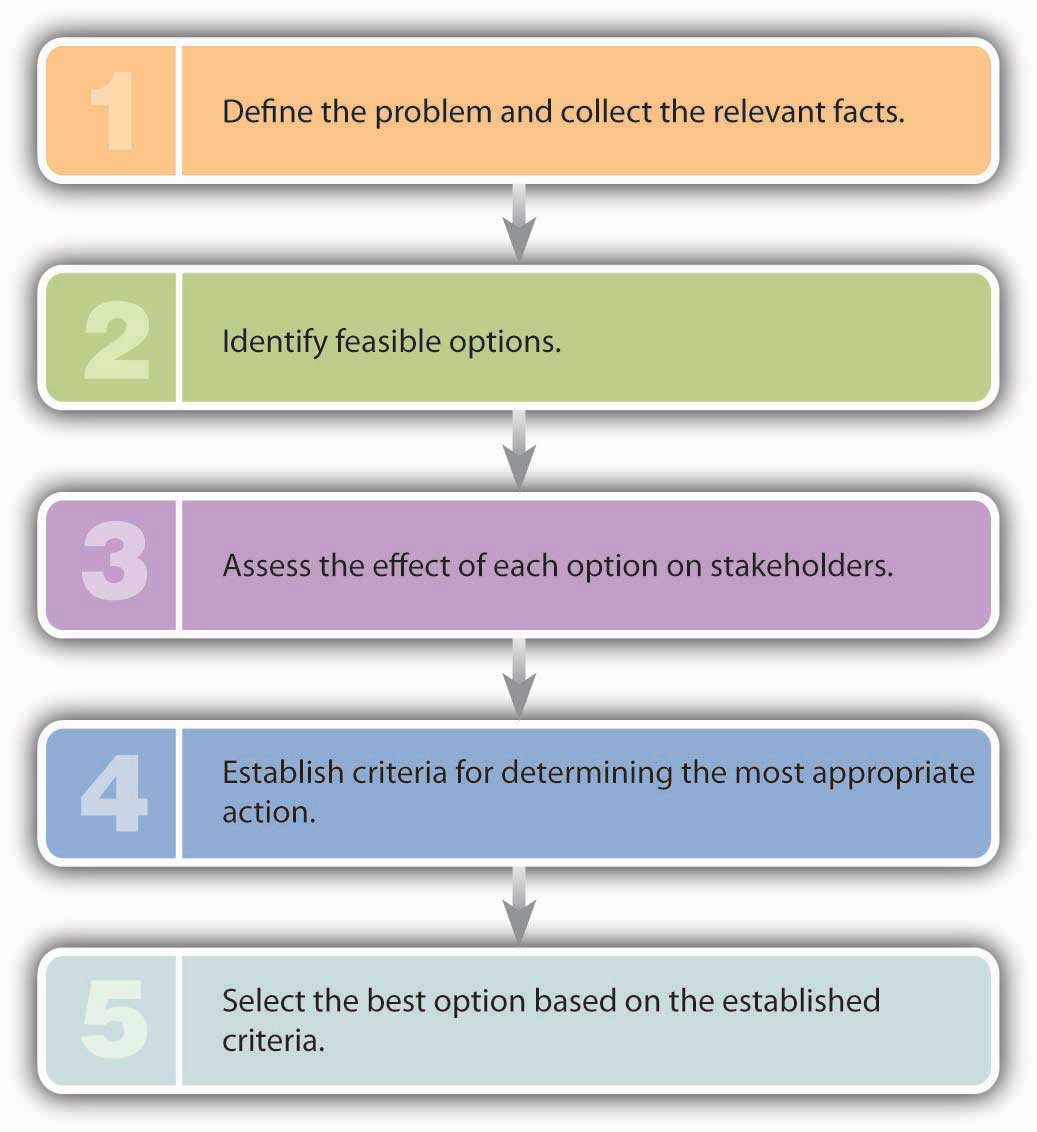
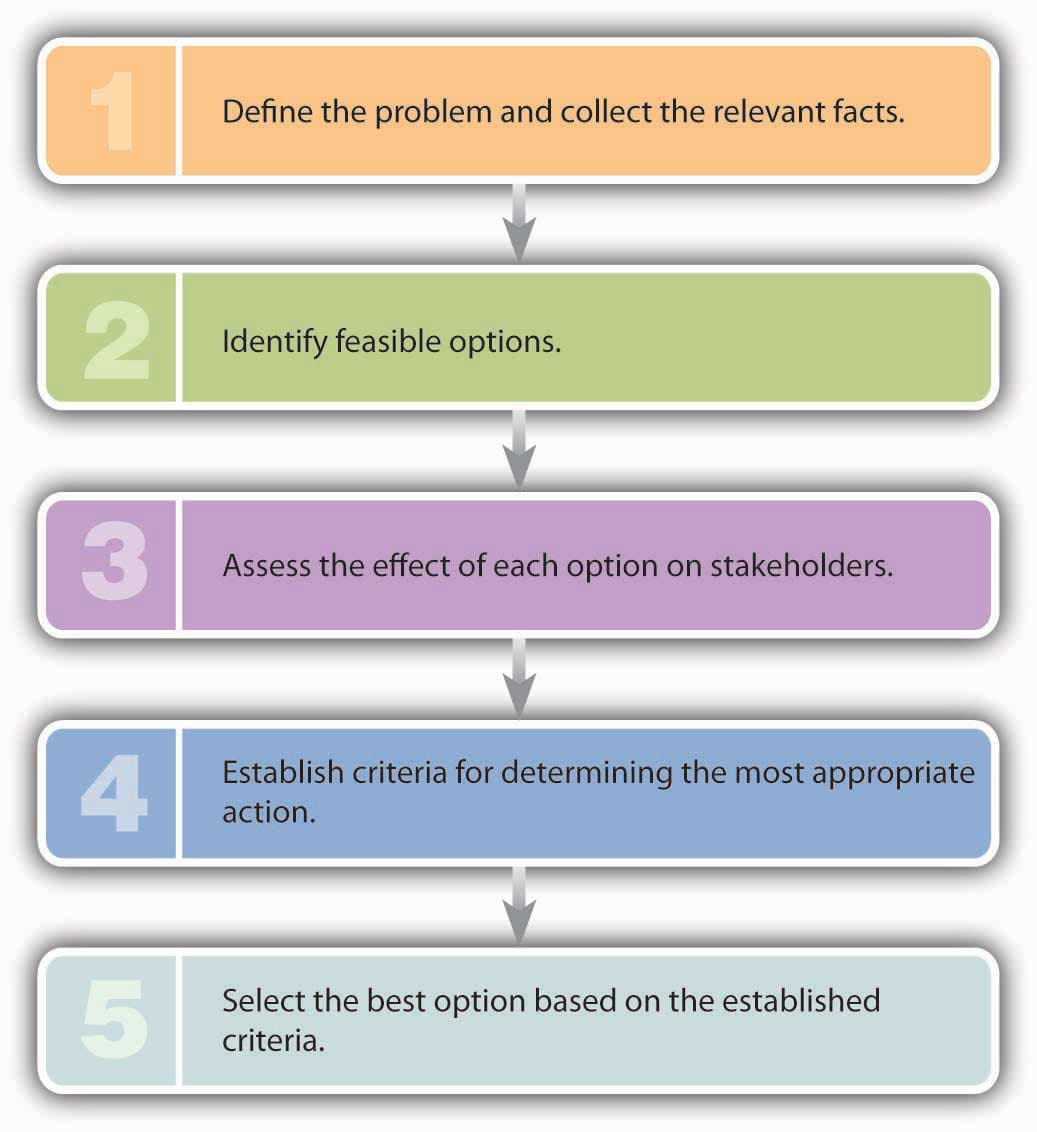
- Ethical decision-making process involves identifying the problem, gathering relevant information, considering alternatives, and evaluating potential outcomes
- Professional guidelines like the IEEE Code of Ethics and the NSPE Code of Ethics provide frameworks for ethical conduct in engineering
- Case-based reasoning applies lessons from past ethical dilemmas to inform current decision-making (learning from previous engineering failures)
- Stakeholder analysis identifies and considers all parties affected by an engineering decision (local communities, environment, future generations)
- Engineers use decision trees and ethical matrices to systematically evaluate options and their ethical implications
Impacts of Engineering Decisions

Environmental and Social Consequences
- Risk assessment techniques quantify and analyze potential negative outcomes of engineering decisions on different stakeholder groups (environmental impact assessments for new manufacturing plants)
- Long-term environmental impacts of engineering projects must be evaluated, including effects on ecosystems, climate change, and resource depletion (offshore wind farm construction)
- Social impact assessments consider how engineering decisions affect communities, including issues of equity, accessibility, and cultural preservation (urban planning and gentrification)
- Public health and safety implications of engineering choices require thorough evaluation, considering both immediate and long-term effects on populations (water treatment system design)
Economic and Technological Impacts
- Economic consequences of engineering decisions must be analyzed, including costs, benefits, and potential financial risks for various stakeholders (implementing new energy technologies)
- Technological impacts of engineering decisions must be assessed, including potential disruptions to existing systems and unintended consequences of innovation (introducing autonomous vehicles to transportation networks)
- Legal and regulatory compliance must be evaluated to ensure engineering decisions align with relevant laws and industry standards (developing medical devices in compliance with FDA regulations)
- Engineers must consider the potential for their work to create or exacerbate technological divides in society (access to high-speed internet in rural vs. urban areas)
Maintaining Ethical Conduct in Engineering
Organizational Strategies for Ethical Practice
- Establishing clear ethical guidelines and policies within engineering organizations promotes consistent ethical behavior among team members
- Regular ethics training and education programs help engineers stay updated on ethical standards and emerging challenges in the field
- Implementing robust reporting mechanisms and whistleblower protections encourages the identification and addressing of ethical concerns
- Fostering a culture of open communication and ethical dialogue within engineering teams promotes collaborative problem-solving for ethical dilemmas
- Conducting regular ethical audits and reviews of engineering processes and decisions ensures ongoing compliance with ethical standards
Personal and Professional Development in Ethics
- Developing personal strategies for ethical resilience helps engineers navigate challenging ethical situations (seeking advice from mentors)
- Engaging in professional organizations and ethics committees provides opportunities for engineers to contribute to the development of ethical guidelines in their field
- Continuous self-reflection and ethical self-assessment help engineers maintain high standards of integrity throughout their careers
- Participating in interdisciplinary collaborations exposes engineers to diverse perspectives on ethical issues (working with ethicists on AI development)
- Staying informed about emerging ethical challenges in engineering through ongoing education and research (attending ethics conferences, reading journal articles)
See Fiveable more often in Google
Mark Fiveable as a preferred source and Google is more likely to show you our guides in Top Stories, with a "preferred" badge in AI Mode and AI Overviews.