6.1 Persuasive Essays

🥏English 11 Unit 6 Review
6.1 Persuasive Essays
🥏 English 11
Purpose and Structure of Persuasive Essays
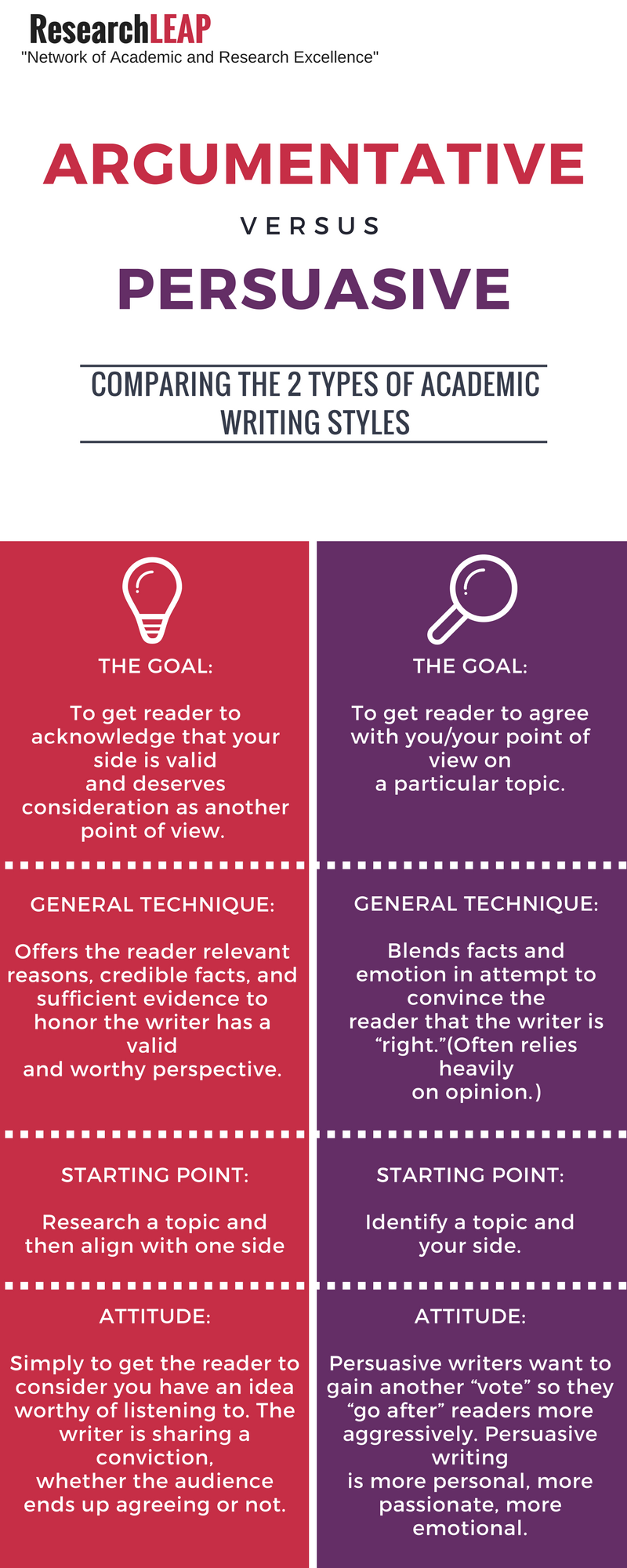
Persuasive essays exist to change how someone thinks or acts. They combine clear reasoning with solid evidence to move a reader toward the writer's position on a debatable topic. Understanding how they work is the foundation of argumentative writing.
Convincing the Reader
A persuasive essay presents a clear argument supported by evidence and reasoning to get the reader to agree with the writer's perspective. That means every part of the essay has a job: the introduction engages the reader, provides necessary context and background on the topic, and ends with a clear thesis statement that states the main argument.
The key word here is debatable. If no reasonable person would disagree with your claim, you don't have a persuasive essay. "Pollution is bad" isn't really debatable. "Cities should ban single-use plastics by 2030" is.
Standard 5-Paragraph Structure
The classic persuasive essay follows a predictable structure, and that predictability is a strength. Readers can follow your logic easily.
- Introduction paragraph introduces the topic and includes the thesis statement.
- Three body paragraphs each present one supporting point in a logical order, with a clear topic sentence, specific evidence (statistics, anecdotes, facts), and analysis that connects the evidence back to the thesis.
- Conclusion paragraph restates the thesis (in fresh language, not copy-pasted), summarizes the main points, and leaves the reader with a strong final impression or call to action. That call to action might ask the reader to change their thinking, modify a behavior, or take a specific step.
Thesis Statement Development
Characteristics of Strong Thesis Statements
Your thesis is the single most important sentence in the essay. Everything else exists to support it. A strong thesis does four things:
- Takes a clear position on a debatable issue
- Stays specific and focused enough to be proven within the essay's scope
- Forecasts the supporting points, giving the reader a roadmap of the argument
- Uses assertive, direct language to convey the writer's stance
Avoid vague or qualifying words that weaken your argument. Compare these two versions:
Weak: "It seems like schools might benefit from starting later."
Strong: "High schools should adopt 9:00 a.m. start times because later starts improve academic performance, reduce absenteeism, and support adolescent mental health."
Words like seems, appears, might, and possibly signal uncertainty. If you're trying to persuade someone, commit to your position.
Previewing Supporting Points
The strongest thesis statements preview the supporting points using key words that will reappear in the topic sentences of your body paragraphs. This creates a thread the reader can follow throughout the essay.
Your thesis should also signal the progression of your ideas. Are you organizing by ascending order of importance? Chronological order? Cause and effect? The thesis can hint at this structure so the reader knows what to expect.
Organization of Persuasive Essays
Logical and Coherent Paragraph Structure
Each paragraph should serve a clear purpose within the overall argument. Here's how the structure typically flows:
- Introduction moves from general to specific. Open with something that hooks the reader (a relevant anecdote, a surprising statistic, a thought-provoking question), then provide context on the issue, and narrow down to your specific thesis statement.
- Body paragraphs are ordered logically to build the argument. Common organizational patterns include ascending order of importance (saving your strongest point for last), chronological order, or cause-and-effect relationships.
- Conclusion moves from specific back to general. Restate the thesis, summarize the main points, and end with a broader insight, a lingering question, or a call to action.
Transitions connect ideas between and within paragraphs. Words like furthermore, additionally, consequently, and in contrast signal to the reader how one idea relates to the next. Without them, even good arguments can feel choppy and disconnected.
Focused Body Paragraphs
Each body paragraph should focus on one main supporting point, stated clearly in the topic sentence. Think of the topic sentence as a mini-thesis for that paragraph.
After the topic sentence, include:
- Specific evidence such as data, research findings, case studies, or real-world scenarios
- Analysis that explains why the evidence supports your point (don't just drop a statistic and move on)
- A counterargument and refutation where appropriate, showing you've considered the other side and can explain why your position is stronger
That last point is often overlooked. Addressing counterarguments doesn't weaken your essay. It actually strengthens it by showing you understand the full picture.

Persuasive Techniques for Convincing Readers
These techniques map onto the three classical rhetorical appeals: ethos (credibility), logos (logic), and pathos (emotion). The most effective persuasive essays use all three in balance.
Establishing Credibility (Ethos)
Readers won't be persuaded by someone they don't trust. You build credibility by:
- Demonstrating genuine knowledge of the subject
- Using credible sources to support your claims (peer-reviewed studies, expert testimony, historical examples)
- Citing those sources properly, which signals to the reader that your evidence is verifiable
Even as a student writer, you establish ethos through careful research and honest engagement with the topic.
Logical Reasoning (Logos)
Strong arguments are built on sound reasoning. Useful logical structures include:
- Deductive reasoning: Start with a general principle and apply it to a specific case. (All students deserve a safe learning environment. Bullying undermines safety. Therefore, schools must address bullying.)
- Inductive reasoning: Start with specific observations and build toward a general conclusion. (Studies in three states showed later start times improved test scores. This suggests later starts benefit students broadly.)
- Analogies: Compare a less familiar situation to a more familiar one to make your point clearer.
Anticipating and addressing counterarguments also falls under logos. When you acknowledge the strongest objection to your position and explain why it doesn't hold up, your argument becomes harder to dismiss.
Emotional Appeals (Pathos)
Appeals to emotion motivate readers to care. You can tap into values like justice, compassion, security, or fairness to make your argument feel urgent and personal. A well-placed anecdote or vivid detail can make abstract data feel real.
The caution here: emotional appeals should support your logical argument, not replace it. An essay built entirely on pathos without evidence will feel manipulative rather than persuasive.
Engaging Language and Rhetorical Devices
Your word choices matter. Strong, precise language conveys conviction: words like essential, paramount, and imperative carry more weight than good or important.
Rhetorical devices can also emphasize key points:
- Repetition reinforces a central idea through deliberate restatement
- Parallel structure creates rhythm and makes ideas feel balanced ("We must act quickly, think clearly, and plan carefully.")
- Rhetorical questions engage the reader by prompting them to reflect ("If not now, when?")
End your essay with a powerful call to action. Tell the reader exactly what you want them to think, believe, or do differently. A vague ending weakens everything that came before it.
See Fiveable more often in Google
Mark Fiveable as a preferred source and Google is more likely to show you our guides in Top Stories, with a "preferred" badge in AI Mode and AI Overviews.