15.1 Post-cinema and the changing nature of the moving image

🎥Intro to Film Theory Unit 15 Review
15.1 Post-cinema and the changing nature of the moving image
🎥 Intro to Film Theory
Post-Cinema and Digital Media
Post-cinema theory grapples with a fundamental question: what happens to "cinema" when moving images are no longer bound to film stock, theater screens, or even linear narratives? As digital technologies reshape how moving images are made, distributed, and watched, the old frameworks for understanding film start to break down. This unit looks at what's replacing them.
Characteristics of Post-Cinema
Post-cinema refers to the current era of moving image production and consumption, shaped by digital technologies and new media platforms. It's not that cinema "ended." Rather, it expanded and mutated into something traditional film theory wasn't built to describe.
Several features define this shift:
- Convergence of media forms blends traditional film with interactive elements and digital aesthetics. A single franchise might span films, games, apps, and social media simultaneously.
- Increased interactivity and user participation lets audiences engage with and shape content. Think of choose-your-own-adventure narratives like Black Mirror: Bandersnatch or films that integrate social media responses in real time.
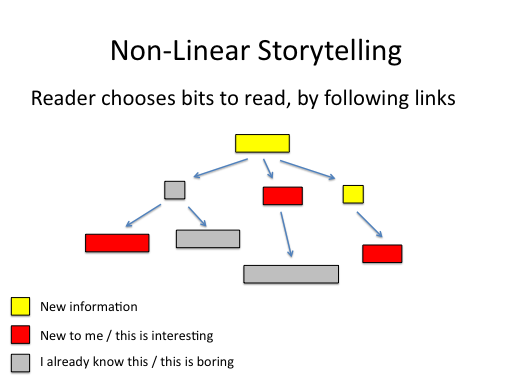
- Non-linear and fragmented storytelling challenges conventional plot structures. Films like Memento and Cloud Atlas break chronological order, but post-cinema pushes this further into branching and database-driven formats.
- Immersive experiences transport viewers into virtual worlds through VR films and 360-degree video, collapsing the distance between spectator and screen.
- Blurred boundaries between reality and virtuality create hybrid experiences through augmented reality applications and deepfake technology.
Three theoretical frameworks are especially useful for analyzing this landscape:
- Post-cinematic affect (Steven Shaviro) examines the emotional and sensory responses that digital media produces, arguing that these differ fundamentally from how analog cinema affected viewers.
- Database cinema (Lev Manovich) analyzes film as an information structure rather than a linear narrative. Instead of a story with a beginning and end, content becomes a collection of elements that can be accessed, sorted, and recombined.
- Algorithmic culture (Alexander Galloway) investigates how computational processes shape what media gets made, who sees it, and how it's experienced.

Digital Impact on Moving Images
Digital technology has reshaped every stage of a film's life cycle: production, distribution, and consumption.
Production has been democratized. Filmmaking tools that once cost millions are now accessible on smartphones and affordable editing software. CGI and digital effects have revolutionized visual storytelling, as seen in films like Avatar and Inception. Virtual production techniques, such as the LED volume technology used on The Mandalorian, allow real-time integration of digital environments on set, replacing traditional green screens.
Distribution has been transformed by streaming platforms like Netflix, Amazon Prime, and Disney+. Digital film festivals and online premieres have expanded the global reach of independent cinema. At the same time, the ease of digital reproduction has intensified piracy and copyright challenges.
Consumption patterns have shifted in several directions:
- Multi-platform viewing across smart TVs, tablets, and smartphones
- Binge-watching culture encouraged by full-season releases
- Second-screen engagement, where viewers live-tweet or use companion apps while watching
- Personalized content recommendations driven by algorithms that shape what you see next
- User-generated content and remixes on platforms like YouTube and TikTok, where audiences become creators
Blurred Boundaries in Post-Cinematic Media
One of the defining features of post-cinema is how hard it's become to draw clean lines between "film" and other media.
Transmedia storytelling expands narratives across multiple platforms. The Marvel Cinematic Universe, for instance, weaves storylines through films, TV series, and comics, with no single medium containing the whole story. The Matrix franchise did something similar across films, animated shorts, and video games.
Cinematic video games like The Last of Us and Death Stranding use film-quality cinematography, motion capture, and complex narratives, blurring the line between interactive and passive storytelling. Meanwhile, interactive films like Bandersnatch let viewers make choices that alter the plot, pulling cinema toward game-like structures.
Virtual and augmented reality create fully immersive narrative experiences. VR films place viewers inside 360-degree environments, while AR applications overlay digital elements onto real-world settings.
Social media and user-generated content have democratized moving image creation at a massive scale. Short-form video platforms like TikTok and Instagram Reels foster entirely new storytelling formats. Fan-made content and participatory culture expand fictional universes beyond what any studio originally created. Web series on YouTube and Vimeo have established new distribution channels with their own audiences and conventions.
Post-Cinema vs. Traditional Film Theory
Post-cinema doesn't just add new topics to film theory. It challenges some of its core assumptions.
- Auteur theory is complicated by collaborative digital environments. When algorithms curate content, AI generates imagery, and hundreds of contributors shape a project, the idea of a single creative "author" becomes harder to sustain.
- Spectatorship evolves from passive viewing to active engagement and participation. Fragmented attention and multi-tasking viewers redefine what the "cinema experience" even means.
- Narrative structure expands beyond linear storytelling. Interactive and branching narratives offer multiple paths through a story, while database narratives and algorithmic curation organize content dynamically rather than sequentially.
- Realism and representation get reconsidered. Digital imagery can produce hyperrealistic simulations that blur the line between real and artificial. Deepfakes raise urgent ethical questions about manipulation and authenticity that earlier film theory never had to address.
- Film language and aesthetics now incorporate visual grammars influenced by digital interfaces and user experience design. Glitch aesthetics and digital artifacts, once considered errors, are embraced as deliberate stylistic choices.
- Exhibition and distribution shift away from the theatrical experience. Personal devices replace the shared darkened theater, and global simultaneous releases with time-shifting capabilities alter how and when people watch.
The key tension in post-cinema theory: traditional film theory assumed a relatively stable relationship between a film, a screen, and a viewer. Post-cinema asks what happens when all three of those elements become fluid.
See Fiveable more often in Google
Mark Fiveable as a preferred source and Google is more likely to show you our guides in Top Stories, with a "preferred" badge in AI Mode and AI Overviews.