2.1 Approaches to Sociological Research

👩👩👦Intro to Sociology Unit 2 Review
2.1 Approaches to Sociological Research
👩👩👦 Intro to Sociology
The Scientific Method and Sociological Research
Sociology relies on the scientific method to study society in a structured, evidence-based way. Rather than relying on gut feelings or assumptions, sociologists define questions, gather data, and test ideas systematically. This process is what separates sociological knowledge from everyday opinions about how society works.
Two broad approaches guide this research: quantitative methods (which use numbers and statistics) and qualitative methods (which focus on words, observations, and interpretation). Both are rigorous, and both contribute to our understanding of social life.
Steps of the Scientific Method
-
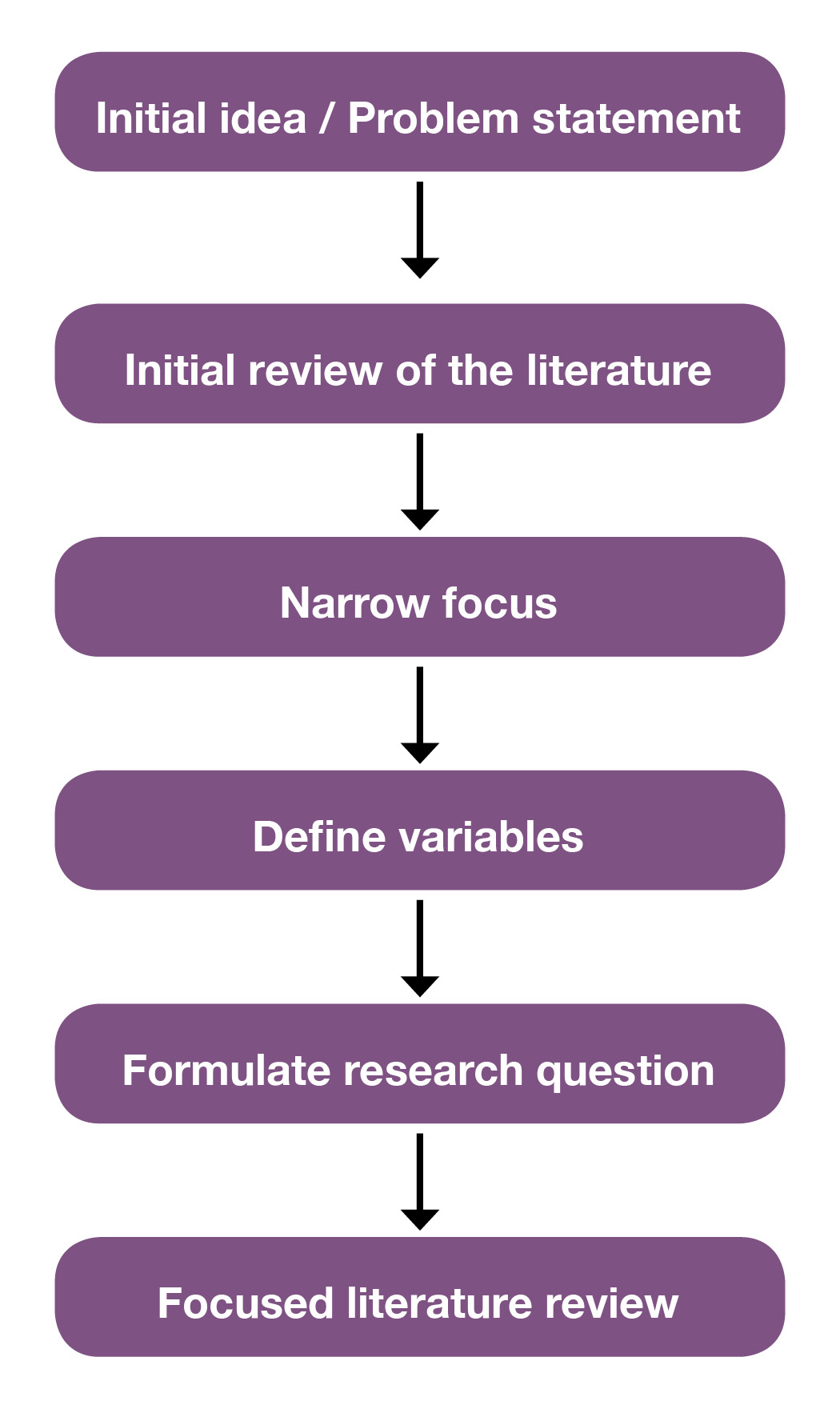
Define the research problem or question. Identify a specific area of interest in society, such as income inequality or crime rates. Then formulate a clear, focused research question that will guide the entire study.
-
Review existing literature. Look at what other researchers have already found on the topic. This helps you understand what's known, spot gaps in knowledge, and avoid repeating work that's already been done.
-
Formulate a hypothesis. Develop a testable prediction based on your research question. A hypothesis states the expected relationship between variables. For example: "Higher education levels lead to higher income."
-
Design the study. Choose an appropriate research method (surveys, experiments, observations). Decide on your sample population and how you'll select participants so your results are representative. Then develop your data collection tools, like questionnaires or interview guides.
-
Collect and analyze data. Gather your data using the chosen method. For quantitative data, use statistical techniques to identify patterns. For qualitative data, use coding and thematic analysis to identify recurring themes or experiences.
-
Interpret results and draw conclusions. Assess whether the data supports or rejects your hypothesis. Discuss what the findings mean for understanding the social phenomenon you studied. Identify limitations (small sample size, potential biases) and suggest directions for future research.
Role of Interpretive Frameworks
An interpretive framework is a theoretical lens that shapes how a sociologist approaches a research question. Your framework influences what you ask, how you study it, and how you make sense of your findings.
The three major frameworks in sociology are:
- Functionalism focuses on how social structures and institutions (education, family, religion) contribute to the stability of society as a whole. A functionalist might ask: How does religion promote shared values that hold communities together?
- Conflict theory examines power dynamics, inequalities, and social change that result from competing interests. A conflict theorist might ask: How do power imbalances create unequal access to healthcare?
- Symbolic interactionism explores how individuals create and interpret meaning through everyday social interactions. A symbolic interactionist might ask: How do people construct their identities through social media?
These frameworks don't just shape the research question. They also shape how you interpret findings. A functionalist studying sports might emphasize how athletics promote social cohesion. A conflict theorist looking at the criminal justice system might highlight racial disparities in incarceration rates. A symbolic interactionist studying mental illness might focus on the stigma individuals experience and how it shapes their daily lives.

Research Approaches and Evaluation
Quantitative vs. Qualitative Approaches
Quantitative research uses numerical data and statistical analysis to measure social phenomena. It seeks to explain and predict patterns using large, representative samples. The emphasis is on objectivity, generalizability, and reproducibility. Common methods include surveys, experiments, and secondary data analysis (like census data).
Qualitative research uses non-numerical data such as text, images, and observations. It seeks to understand the subjective experiences and meanings people attach to social life. The emphasis is on depth, context, and interpretation, typically using smaller, purposefully selected samples. Common methods include interviews, focus groups, ethnography, and content analysis (like studying media representations).
Key differences:
| Quantitative | Qualitative | |
|---|---|---|
| Data type | Numerical | Non-numerical (text, images, observations) |
| Goal | Explanation and prediction | Understanding and interpretation |
| Sample size | Large, representative | Smaller, purposive |
| Analysis | Statistical techniques | Coding and thematic analysis |
Despite these differences, both approaches share important similarities. Both aim to answer research questions and contribute to sociological knowledge. Both require systematic data collection and analysis. And both can be applied to a wide range of topics, from family dynamics to political attitudes.
Accuracy, Reliability, and Validity
These three concepts are how sociologists evaluate the quality of research. They sound similar, but each one captures something distinct.
Accuracy refers to how correctly the findings represent the social phenomenon being studied. Threats to accuracy include sampling bias (overrepresenting certain groups), measurement error (poorly worded survey questions), and researcher bias (personal beliefs influencing interpretation).
Reliability refers to consistency. If you repeated the study or used the same measurement tool again, would you get the same results? Threats to reliability include inconsistent coding of qualitative data, interviewer bias (asking leading questions), and participant variability (differences in mood or fatigue).
Validity refers to whether a study actually measures what it claims to measure. There are two main types:
- Internal validity: Can the observed changes in the dependent variable truly be attributed to the independent variable? In other words, did you establish a real cause-and-effect relationship?
- External validity: Can the findings be generalized to other populations or settings beyond the study sample?
Threats to validity include confounding variables (unaccounted factors influencing results), selection bias (non-random group assignment), and testing effects (participants changing behavior because they know they're being studied).
Strategies to improve all three:
- Use well-established, validated measurement instruments (standardized scales, tested questionnaires)
- Employ triangulation, meaning you use multiple methods or data sources (combining surveys with interviews, for example)
- Conduct pilot studies to test and refine instruments before full-scale research
- Use random sampling to ensure your study population is representative
- Follow strict protocols for data collection and coding to maintain consistency
- Minimize bias through research design choices like double-blind experiments or controlling for confounding variables
Key Concepts in Sociological Research
- Empiricism: The principle that knowledge should come from systematic observation and evidence, not speculation or tradition.
- Operationalization: The process of turning an abstract concept (like "social class") into something you can actually measure (like income level or educational attainment).
- Variables: Characteristics or attributes that can be measured and that vary across cases or over time. In a study on education and income, both "years of schooling" and "annual salary" are variables.
- Causation vs. Correlation: Correlation means two variables are related (they tend to change together), but that doesn't mean one causes the other. Causation means one variable directly influences another. This distinction is one of the most common sources of error in interpreting research. Just because ice cream sales and drowning rates both rise in summer doesn't mean ice cream causes drowning.
- Ethics: The moral principles that govern how research is conducted. Researchers must protect participants from harm, ensure informed consent, maintain confidentiality, and report findings honestly.
See Fiveable more often in Google
Mark Fiveable as a preferred source and Google is more likely to show you our guides in Top Stories, with a "preferred" badge in AI Mode and AI Overviews.