12.2 Gender and Gender Inequality

👩👩👦Intro to Sociology Unit 12 Review
12.2 Gender and Gender Inequality
👩👩👦 Intro to Sociology
Gender and Socialization

Top images from around the web for Shaping of gender roles
Socialization in the Schooling Process – Sociology of Education in Canada View original
Is this image relevant?
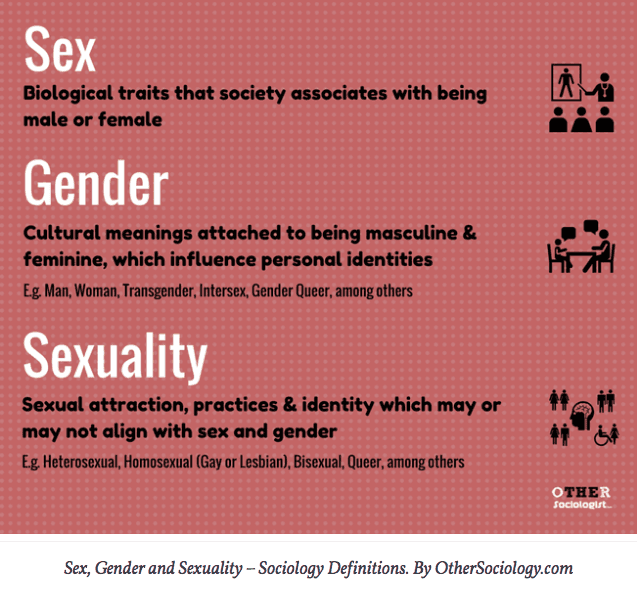
Putting It Together: Gender, Sex, and Sexuality | Sociology View original
Is this image relevant?
Agents of Socialization | Boundless Sociology View original
Is this image relevant?
Socialization in the Schooling Process – Sociology of Education in Canada View original
Is this image relevant?
Putting It Together: Gender, Sex, and Sexuality | Sociology View original
Is this image relevant?
Shaping of Gender Roles
Gender socialization is the process of learning gender roles, norms, and expectations through social interactions and institutions. It begins at birth and continues throughout life.
Four main agents of socialization shape how we learn gender:
- Family is the primary source. Parents, siblings, and extended family reinforce gender norms through everyday choices: which toys they buy, what clothes they pick out, and which activities they encourage.
- Peers influence gender development through play and social pressure. Kids often form gender-segregated play groups, and those who don't conform to expected behavior may face teasing or exclusion.
- Media reinforces traditional gender norms through advertising, movies, TV, and social media. Think about how action heroes are marketed to boys and princesses to girls, or how products are color-coded by gender.
- Education shapes gender through curriculum, classroom dynamics, and extracurricular activities. Schools also teach a hidden curriculum, which refers to the implicit lessons students absorb about gender through things like dress codes, which subjects are "for" boys or girls, and how teachers distribute attention.
Gender roles are the sets of behaviors, attitudes, and expectations a society associates with being male or female. These vary across cultures and change over time. Traditional American gender roles positioned men as breadwinners and leaders and women as homemakers and caregivers. Contemporary society has shifted considerably, with more women in the workforce and growing acceptance of non-traditional roles like stay-at-home dads and female executives.
Gender Identity and Expression
- Gender identity is a person's internal sense of being male, female, or another gender.
- Gender expression is how someone outwardly presents their gender through behavior, appearance, and mannerisms.
- The gender binary is a social construct that categorizes gender into only two distinct, opposite forms: masculine and feminine. Many societies are increasingly recognizing that gender exists on a spectrum.
- Gender dysphoria is the distress a person may experience when their gender identity doesn't align with their sex assigned at birth.
- Toxic masculinity refers to harmful cultural norms tied to traditional male gender roles. These norms (like suppressing emotions or using aggression to assert dominance) can be harmful to men, women, and society as a whole.

Gender Stratification and Inequality
Gender Stratification in Institutions
Education shows a mixed picture of progress and persistent inequality:
- Women now outpace men in college enrollment and degree completion.
- Gender segregation still exists in fields of study. Women are more concentrated in education, health, and social sciences, while men dominate STEM fields like engineering.
- Gender bias shows up in classroom dynamics, such as uneven teacher attention and different expectations for boys versus girls.
Work demonstrates significant gender disparities:
- The gender pay gap means women earn less than men for comparable work. Contributing factors include occupational segregation, discrimination, and the motherhood penalty. Recent data shows women earn roughly 84 cents for every dollar men earn, though this figure varies by race and occupation.
- Occupational segregation concentrates women in lower-paying, service-oriented jobs (like teaching and nursing) and men in higher-paying fields (like construction and finance).
- The glass ceiling refers to invisible barriers that prevent women from advancing to top leadership positions. These barriers include lack of mentorship, exclusion from informal networks, and biased promotion practices.
Family life remains shaped by gendered expectations:
- Women perform a disproportionate share of unpaid domestic work and childcare, even in households where both partners work full-time.
- The motherhood penalty negatively impacts women's career advancement and earnings, while men often experience a "fatherhood bonus."
- Changing family structures, such as dual-earner households and single-parent families, are challenging traditional gender roles. More families now include breadwinning mothers and caregiving fathers.

Examples of Everyday Gender Inequality
Gender inequality shows up across many areas of daily life:
- Workplace discrimination includes unequal pay, sexual harassment, hostile work environments, and fewer advancement opportunities for women in leadership and promotions.
- Media representation perpetuates inequality through the underrepresentation of women in lead roles and positions of power (like film directors), the objectification of women in advertising and music videos, and the reinforcement of stereotypes in gendered product marketing.
- Domestic violence and sexual assault disproportionately affect women. Intimate partner violence rates are higher for women, and victim-blaming attitudes (questioning clothing choices or sexual history) discourage survivors from seeking help.
- Political representation remains unequal. Women are underrepresented in elected offices like Congress and governorships, and female candidates often face gendered media coverage that focuses on appearance or family roles rather than policy.
- Intersectionality highlights how gender inequality compounds with race, class, sexuality, and other social identities. Women of color, LGBTQ+ individuals, and other marginalized groups face unique and overlapping forms of discrimination, including wider wage gaps and heightened exposure to bias.
Evolution of U.S. Feminist Movements
-
First-wave feminism (mid-19th to early 20th century) focused on women's suffrage and legal rights.
- Key figures: Elizabeth Cady Stanton, Susan B. Anthony
- Major achievement: The 19th Amendment (1920), granting women the right to vote
-
Second-wave feminism (1960s–1980s) expanded the focus to workplace equality, reproductive rights, and sexual liberation.
- Key figures: Betty Friedan, Gloria Steinem
- Major achievements: The Equal Pay Act (1963), Title IX (1972, banning sex discrimination in education), and Roe v. Wade (1973)
-
Third-wave feminism (1990s–2010s) centered on intersectionality, body positivity, and challenging rigid gender norms.
- Key figures: Rebecca Walker, Kimberlé Crenshaw
- Major contribution: Broadened feminism to address how race, class, and sexuality intersect with gender
-
Fourth-wave feminism (2010s–present) emphasizes digital activism and global solidarity.
- Key figures: Tarana Burke (founder of #MeToo), Malala Yousafzai
- Major achievements: Increased public awareness of sexual harassment and assault, widespread organizing through social media
Sociological Perspectives on Gender
Each major sociological perspective offers a different lens for understanding gender:
- Functionalist perspective views traditional gender roles as serving important functions for social stability. Men and women fill complementary roles that keep society running smoothly. Critics argue this perspective overlooks gender inequality and resists change.
- Conflict perspective sees gender inequality as rooted in power imbalances. Patriarchy and capitalism reinforce gender stratification by keeping women in subordinate positions. Feminist movements work to challenge and dismantle these systems of oppression.
- Symbolic interactionist perspective focuses on how gender is socially constructed through everyday interactions. People learn and perform gender roles through socialization, and gender identity can be fluid rather than fixed. This perspective zeroes in on micro-level experiences rather than large social structures.
- Queer theory challenges binary and heteronormative understandings of gender and sexuality. It emphasizes the fluidity and diversity of gender and sexual identities and examines how power structures and cultural discourse shape people's experiences. This perspective has been central to discussions of non-binary identities and LGBTQ+ rights.
See Fiveable more often in Google
Mark Fiveable as a preferred source and Google is more likely to show you our guides in Top Stories, with a "preferred" badge in AI Mode and AI Overviews.