15.3 Publishing and Sharing Written Work

🔤English 9 Unit 15 Review
15.3 Publishing and Sharing Written Work
🔤 English 9
Publishing Platforms and Preparation
Once you've revised and edited your writing, the next step is getting it out into the world. Publishing and sharing your work means choosing the right platform, formatting it properly, and understanding the legal basics that protect you as a writer.

Top images from around the web for Platforms for sharing written work
Portfolios – Support View original
Is this image relevant?
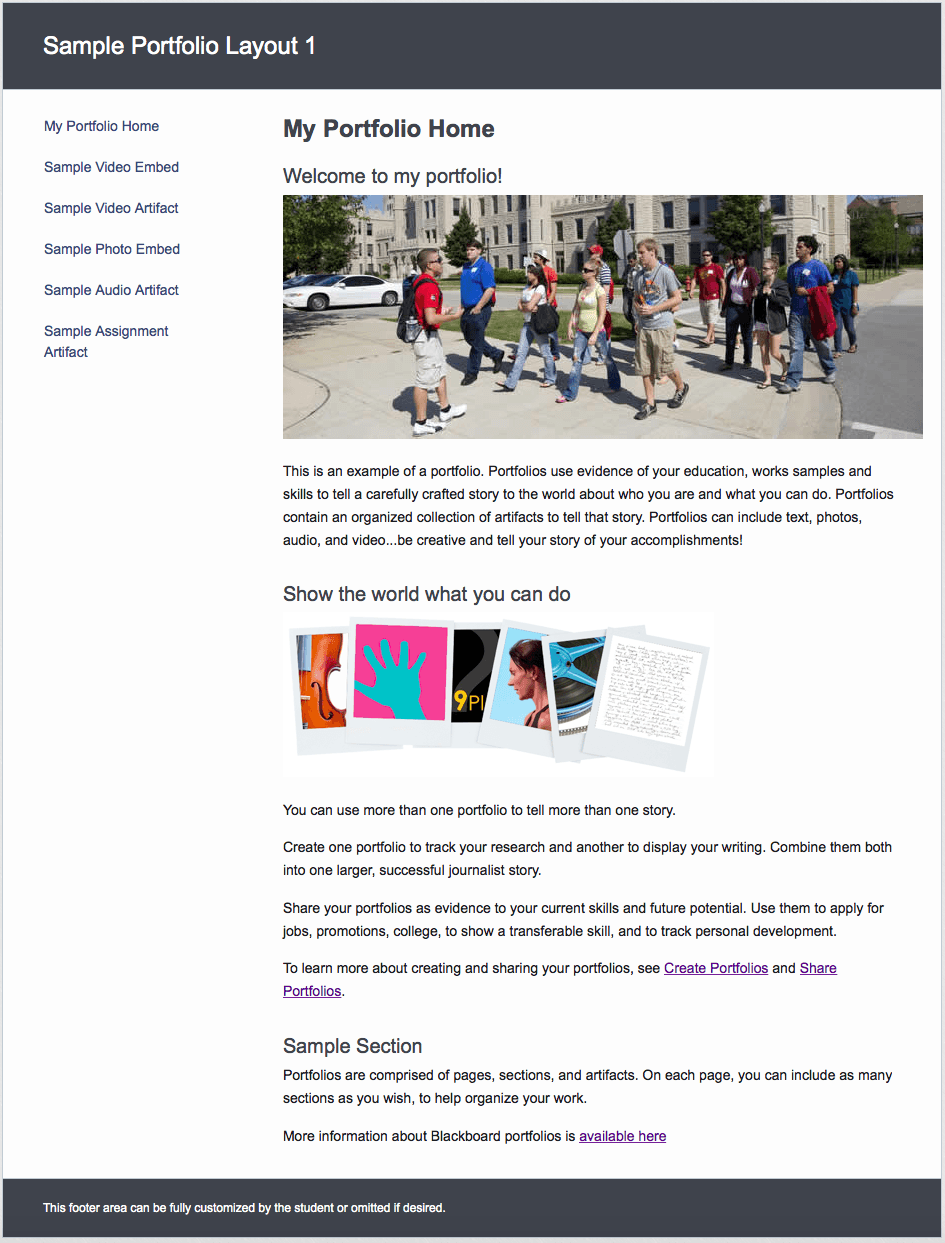
Sample Blackboard Portfolio Layouts View original
Is this image relevant?
Content Sharing on Different Social Media Platforms View original
Is this image relevant?
Portfolios – Support View original
Is this image relevant?
Sample Blackboard Portfolio Layouts View original
Is this image relevant?
Platforms for Sharing Written Work
Different platforms serve different purposes. The right choice depends on your audience, your goals, and the type of writing you're sharing.
- Blogs are personal websites where you control what gets published and when. Platforms like WordPress, Medium, and Tumblr make it easy to set one up without coding knowledge. Blogs work well for informal essays, creative writing, or building a regular readership over time.
- Literary magazines are curated publications (print or online) that feature creative writing from multiple authors. These are more competitive since editors select what gets published. For student writers, school literary magazines are a great starting point. Professional examples include The New Yorker, The Paris Review, and Granta.
- Online portfolios collect your best work in one place, almost like a résumé for your writing. Sites like Clippings.me or Google Sites let you organize pieces by genre or topic so that teachers, editors, or future employers can see what you've done.
- Social media platforms like Instagram, X (formerly Twitter), and Facebook let you share shorter writing and connect directly with readers. Many poets, for example, share work on Instagram. Social media is also useful for promoting longer pieces published elsewhere.

Formatting for Publication
How your work looks matters almost as much as what it says. Sloppy formatting signals carelessness, even if the writing itself is strong.
- Layout refers to how text and images are arranged on the page. Use consistent margins, break content into readable sections, and leave enough white space so the page doesn't feel cramped.
- Typography means your font choices, sizes, and styles. For most school and professional submissions, stick with a standard readable font (like Times New Roman 12pt or Arial 11pt). Stay consistent throughout the piece, and always check if the publication has a style guide.
- File format is the type of file you submit. Common formats include .doc, .docx, .pdf, and .rtf. Always check the submission guidelines for what's accepted. PDFs preserve your formatting exactly, while .docx files are easier for editors to mark up.
- Proofreading and editing should happen before you submit anything. Read through your work at least once specifically for grammar, spelling, and formatting errors. Reading aloud or having someone else review it catches mistakes you'll miss on your own.

Legal and Ethical Considerations
Legal Aspects of Publishing
Publishing your writing means entering a space with real legal rules. You don't need to be a lawyer, but you do need to understand the basics.
Copyright is automatic legal protection for any original work you create. The moment you write something, you own the rights to it. That means others can't reproduce, distribute, or build on your work without permission. This protection applies to your writing too, so take it seriously.
Plagiarism is presenting someone else's words or ideas as your own. This includes copying text without quotation marks, paraphrasing without citing the source, or submitting someone else's work as yours. The consequences are real: failing grades in school, legal trouble professionally, and lasting damage to your reputation.
Intellectual property rights is the broader legal category that includes copyright. It also covers patents (for inventions), trademarks (for brand names and logos), and trade secrets. For writers, copyright is the most relevant type.
Creative Commons licenses let creators share their work while keeping some rights. For example, a photographer might license an image so you can use it for free as long as you credit them. Different license types set different rules about attribution, commercial use, and whether you can modify the original. If you use Creative Commons material in your own work, follow the license terms carefully.
The Submission and Feedback Process
Getting published usually involves a process with several steps:
- Research potential outlets. Find publications that match your work's genre and style. Read their past issues to see what they publish. Check their submission guidelines closely for word counts, formatting rules, and deadlines.
- Craft a cover letter. Most submissions require a brief letter introducing yourself and your piece. Keep it short: state the title, the genre, the word count, and a sentence or two about why your work fits that publication. Mention any relevant writing experience, but don't oversell yourself.
- Submit and wait. Response times vary widely. Some magazines reply in weeks; others take months. Don't submit the same piece to multiple publications at the same time unless they accept simultaneous submissions.
- Handle rejection constructively. Rejection is a normal part of publishing. Nearly every successful writer has been rejected many times. If an editor provides feedback, pay attention to it. Revise your work and try again with another outlet.
- Stay professional. Thank editors who respond, even with rejections. Never argue with a rejection. Building a respectful reputation matters, especially if you plan to keep submitting.
See Fiveable more often in Google
Mark Fiveable as a preferred source and Google is more likely to show you our guides in Top Stories, with a "preferred" badge in AI Mode and AI Overviews.