1.3 Critical Reading Strategies

🔤English 9 Unit 1 Review
1.3 Critical Reading Strategies
🔤 English 9
Active Reading and Textual Analysis
Critical reading goes beyond just understanding what a text says. It's about figuring out how and why the author constructed it the way they did. The strategies in this section will help you dig into a text's meaning, recognize what the author is doing, and build your own interpretations backed by evidence.
Techniques for Active Reading
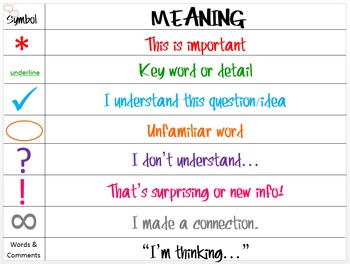
Active reading means interacting with the text as you read, not just letting your eyes pass over the words. Here are the core techniques:
- Annotate as you read. Highlight or underline key passages, important details, and striking word choices. Write short notes in the margins to summarize ideas, record reactions, or flag things that confuse you.
- Ask questions. Pose who, what, when, where, why, and how questions to check your own understanding. Push further by questioning the author's assumptions or considering alternative perspectives.
- Make connections. Link what you're reading to your own experiences, other texts you've read, or events in the world. These connections help new ideas stick and deepen your understanding.
- Visualize. Create mental images of the scenes, characters, or concepts the author describes. If you can picture it, you're processing it more deeply.
- Predict. Anticipate what might happen next in the plot or how a character might change. Even if your prediction is wrong, the act of guessing keeps you engaged and thinking critically.

Elements of Authorial Intent
Authorial intent is about figuring out why the author made the choices they did. Three major elements to look for:
Author's Purpose is the reason behind writing the text. Most purposes fall into a few categories: to inform, to persuade, to entertain, or to express ideas and emotions. A single text can have more than one purpose, but usually one dominates.
Tone is the author's attitude toward the subject matter. Think of it as the emotional flavor of the writing. A passage might feel serious, humorous, sarcastic, critical, or sympathetic. Tone is conveyed through three main tools:
- Diction (word choice): Does the author use formal or casual language? Harsh or gentle words?
- Imagery (figurative language): What kinds of pictures does the author paint?
- Syntax (sentence structure): Are sentences long and flowing, or short and punchy?
Point of View is the perspective from which the story is told:
- First-person: The narrator is a character in the story, using "I" or "we." You only know what that character knows.
- Third-person limited: The narrator is outside the story but focuses on one character's thoughts and experiences.
- Third-person omniscient: The narrator is all-knowing and can reveal the thoughts of multiple characters.
- Second-person: The narrator addresses the reader directly using "you." This is rare in literature but shows up in things like choose-your-own-adventure stories.
Inference and Conclusion Drawing
Authors don't spell everything out. A big part of critical reading is picking up on what's implied rather than stated directly.
An inference is an educated guess based on clues in the text combined with your own knowledge. You're reading between the lines. For example, if a character keeps glancing at the clock and tapping their foot, you can infer they're anxious or impatient, even if the author never says so.
Drawing conclusions takes this a step further. You combine multiple pieces of evidence from the text to arrive at a broader judgment. If that same character is anxious in every scene involving a specific person, you might conclude there's an unresolved conflict between them.
Two rules for strong inferences and conclusions:
- Always support them with textual evidence. Use specific quotes or examples from the text. A claim without evidence is just a guess.
- Recognize your own lens. Your personal experiences, beliefs, and knowledge shape how you interpret a text. This is called reader response, and being aware of it helps you distinguish between what the text actually says and what you're bringing to it.
Synthesizing Information
Synthesis means pulling together different parts of a text to build a complete understanding, rather than looking at each piece in isolation. Think of it like assembling a puzzle: individual pieces have limited meaning, but together they reveal the full picture.
How to Synthesize Textual Information
- Identify recurring ideas. Track the main themes and motifs that appear throughout the text. If an image, phrase, or idea keeps showing up, it's probably important to the author's message.
- Analyze how literary elements work together. Consider how characters, plot, and setting each contribute to meaning. Look at how literary devices like symbolism and metaphor reinforce the text's themes.
- Pay attention to structure. The way a text is organized affects how you experience it. A story told in chronological order creates a different effect than one that uses flashbacks or a non-linear timeline. Ask yourself why the author chose that structure.
- Connect information across the text. Link details from different chapters, scenes, or stanzas. A detail introduced early in a text often gains new significance later.
- Step back and look at the whole. After considering all these elements, ask: how do they work together to convey the author's message or theme? A strong synthesis doesn't just list observations; it explains how they connect.
See Fiveable more often in Google
Mark Fiveable as a preferred source and Google is more likely to show you our guides in Top Stories, with a "preferred" badge in AI Mode and AI Overviews.