11.1 Elements of Creative Writing

🔤English 9 Unit 11 Review
11.1 Elements of Creative Writing
🔤 English 9
Creative writing brings stories to life through vivid imagery and engaging characters. Writers use sensory details and figurative language to paint mental pictures, while voice and tone set the mood and reflect the author's unique perspective.
Characters and settings form the backbone of any story. Well-developed characters feel real and relatable, while carefully crafted settings immerse readers in the narrative world. Themes and symbols add deeper layers, exploring universal truths and hidden meanings.
Key Elements and Techniques in Creative Writing

Top images from around the web for Elements of creative writing
Figurative Language Fun Pack by Tales from a Very Busy Teacher | TpT View original
Is this image relevant?
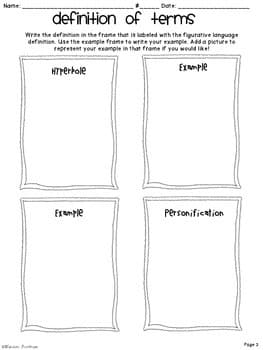
Figurative Language Fun Pack by Tales from a Very Busy Teacher | TpT View original
Is this image relevant?
Figurative Language Fun Pack by Tales from a Very Busy Teacher | TpT View original
Is this image relevant?
Figurative Language Fun Pack by Tales from a Very Busy Teacher | TpT View original
Is this image relevant?
Elements of creative writing
Imagery creates vivid mental pictures through descriptive language. There are five types, one for each sense:
- Visual imagery describes what can be seen: a golden sunset bleeding across the horizon
- Auditory imagery describes sounds: the gentle rustling of leaves in the wind
- Olfactory imagery describes smells: the sweet aroma of freshly baked cookies
- Gustatory imagery describes tastes: the tangy burst of a ripe lemon
- Tactile imagery describes physical sensations: the soft, velvety texture of a rose petal
The more senses you engage, the more immersive your writing becomes. A strong passage doesn't just tell readers what a scene looks like; it makes them feel the cold, damp air or smell the smoke from a campfire.
Figurative language uses non-literal expressions to evoke emotions or draw comparisons. These are the main types you should know:
- Simile compares two things using "like" or "as": her eyes sparkled like diamonds
- Metaphor makes a direct comparison without "like" or "as": life is a roller coaster
- Personification gives human qualities to non-human things: the wind whispered secrets
- Hyperbole exaggerates for emphasis: I've told you a million times
Sensory details are closely related to imagery, but the term refers more broadly to any specific, concrete detail that helps readers experience a scene rather than just read about it. Compare these two sentences:
She felt sad in the kitchen. (vague, tells the reader) The comforting scent of his favorite childhood dish filled the kitchen, and her throat tightened. (specific, shows the reader)
The second version uses sensory details to let the reader feel the emotion instead of being told about it.
Voice, tone, and style
These three terms are easy to mix up, so here's how to keep them straight:
Voice is the writer's unique personality on the page. Think of it as who is speaking. A sarcastic narrator sounds completely different from a quiet, reflective one, even if they're describing the same event. Voice reflects the writer's (or narrator's) background, worldview, and character.
Tone is the emotional attitude toward the subject. Think of it as how the writer feels about what they're writing. The same writer might use a playful tone in one piece and a somber tone in another. Tone sets the mood and shapes how readers respond emotionally.
A quick way to remember: voice is the speaker's personality, tone is the speaker's attitude.
Style is the writer's distinctive way of using language. This includes sentence structure, word choice, and literary devices. A thriller writer might use short, punchy sentences to build tension. A literary fiction writer might use long, lyrical prose to create atmosphere. Style is the craft behind the voice and tone.

Character, Setting, and Meaning in Creative Writing
Character and setting development
Well-developed characters feel believable because they have depth. They aren't just "good" or "bad." Strong characters have:
- Distinct personalities and motivations: A brave but impulsive protagonist acts differently from a cautious, calculating one.
- Flaws and contradictions: Perfect characters are boring. A generous person who can't forgive, or a loyal friend who lies to protect people, feels more real.
- A character arc: Characters should change over the course of a story. A selfish character learning to put others first is a classic arc. If your character is exactly the same at the end as at the beginning, ask yourself why the story matters.
Characters are revealed through what they do, what they say, what they think, and how others react to them. Showing a character's insecurities through their internal monologue is far more powerful than simply stating "she was insecure."
Setting establishes the time, place, and social context of a story. But a good setting does more than just tell the reader where things happen:
- It creates mood and atmosphere: a dark, crumbling castle feels very different from a sunlit meadow.
- It influences characters' choices: a character in a small, gossipy town faces different pressures than one in an anonymous city.
- It grounds the reader in the world: vivid, specific details about a place make the story feel real.
Theme and symbolism in writing
Themes are the underlying messages or central ideas a story explores. They're the big questions the writer is wrestling with. A story about a family conflict might explore the theme of forgiveness. Common themes include love, loss, identity, and belonging.
Themes can be explicit (stated directly by a character or narrator) or implicit (woven into the story through events, character choices, and imagery). Most strong creative writing keeps themes implicit and lets readers discover them.
Symbolism uses concrete objects, characters, or events to represent abstract ideas. It adds layers of meaning without the writer having to spell everything out.
- A storm might symbolize inner turmoil and chaos.
- A dying plant might represent a deteriorating relationship.
- Common symbols include colors (red for passion or danger), animals (doves for peace), and objects (a broken mirror for a shattered self-image).
When you use symbolism in your own writing, the key is consistency. If a locked door represents a character's emotional walls, that image should recur or develop as the character changes. A symbol that appears once and never connects to anything else won't land with readers.
See Fiveable more often in Google
Mark Fiveable as a preferred source and Google is more likely to show you our guides in Top Stories, with a "preferred" badge in AI Mode and AI Overviews.