7.2 Ordinal numbers

🏛️Elementary Latin Unit 7 Review
7.2 Ordinal numbers
🏛️ Elementary Latin
Definition of ordinal numbers
Ordinal numbers in Latin indicate position or order in a sequence. While cardinal numbers tell you how many (tres = three), ordinals tell you which one in line (tertius = third). They show up constantly in dates, literary references, and inscriptions, so getting comfortable with them is worth the effort.
Ordinals function as adjectives, which means they must agree with the noun they modify in gender, number, and case.

Top images from around the web for Formation of ordinal numbers
§99. Notes on Letter Formation – Greek and Latin Roots: Part II – Greek View original
Is this image relevant?
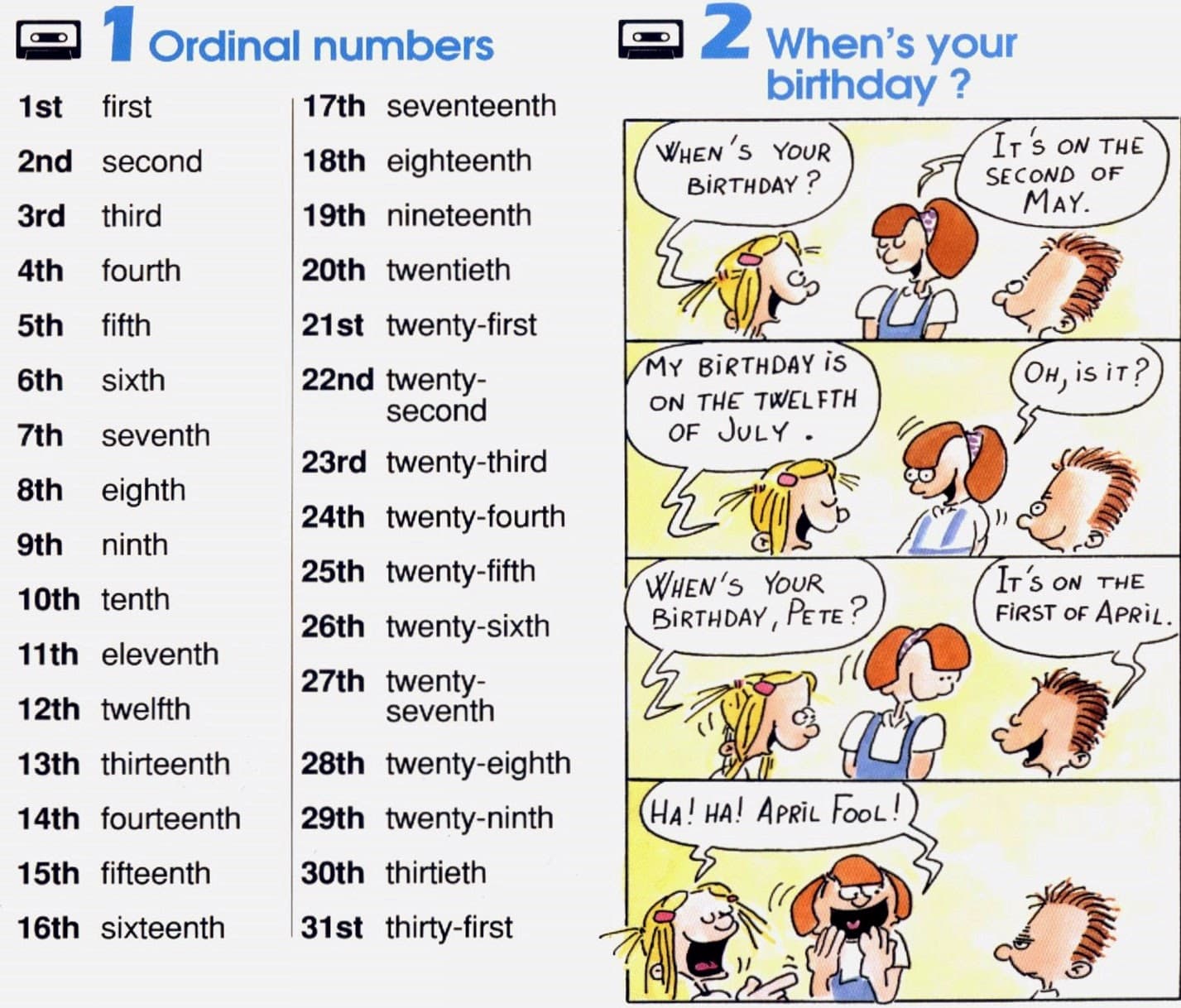
Think in English!!! Tim Acadèmia d'anglès: Ordinal numbers 1st – 31st View original
Is this image relevant?
Gematria Research: "History of Ciphers" (part 3) - The Latin ciphers View original
Is this image relevant?
§99. Notes on Letter Formation – Greek and Latin Roots: Part II – Greek View original
Is this image relevant?
Think in English!!! Tim Acadèmia d'anglès: Ordinal numbers 1st – 31st View original
Is this image relevant?
Formation of ordinal numbers
Ordinals are generally formed by adding suffixes to the stem of their cardinal counterparts, though several of the most common ones are irregular and just need to be memorized.
First through tenth
Here are the ordinals from 1st to 10th:
- Primus, -a, -um (first) — irregular; not derived from unus
- Secundus, -a, -um (second) — irregular; comes from sequi (to follow)
- Tertius, -a, -um (third)
- Quartus, -a, -um (fourth) — from quattuor, dropping the final -uor
- Quintus, -a, -um (fifth)
- Sextus, -a, -um (sixth)
- Septimus, -a, -um (seventh)
- Octavus, -a, -um (eighth)
- Nonus, -a, -um (ninth) — shortened from novem
- Decimus, -a, -um (tenth)
Notice that primus and secundus have no obvious connection to unus and duo. These two simply need to be learned as vocabulary.
Eleventh through twentieth
- Undecimus (11th) combines un- (from unus) with decimus
- Duodecimus (12th) through undevicesimus (19th) follow a similar compound structure
- For 13th–19th, you'll sometimes see two forms: either the compound with decimus (e.g., tertius decimus) or a fused form (e.g., tredecimus)
- Vicesimus (20th) introduces the stem vic-, which is used for multiples of ten going forward
The subtractive forms for 18th and 19th are worth noting here: duodevicesimus (literally "two from twentieth") and undevicesimus ("one from twentieth"). These parallel the cardinal subtractive forms duodeviginti and undeviginti.
Twenty-first and beyond
For numbers above twenty, you combine the tens ordinal with the units ordinal:
- Vicesimus primus (21st), vicesimus secundus (22nd), etc.
- Tens use the -esimus suffix: tricesimus (30th), quadragesimus (40th), quinquagesimus (50th)
- Centesimus (100th) and millesimus (1000th) handle the larger values
- Complex ordinals follow logical combination: ducentesimus octogesimus quintus = 285th
Declension of ordinal numbers
Since ordinals are adjectives, they decline to match the noun they modify in gender, number, and case.
First and second declension pattern
All the standard ordinals (primus, secundus, tertius, quartus, etc.) follow the first/second declension adjective pattern (-us, -a, -um):
- Masculine and neuter forms decline like second declension nouns
- Feminine forms decline like first declension nouns
So primus, -a, -um declines exactly like bonus, -a, -um. This applies consistently across the ordinals.
A common point of confusion: despite the name "third declension," tertius does not decline as a third declension adjective. It follows the same -us, -a, -um pattern as primus and secundus. The genitive singular is tertii (not tertis), and the dative singular is tertio (not terti). All standard ordinals use first/second declension endings.
Usage in Latin sentences

As adjectives
Ordinals modify nouns to indicate position:
- liber tertius — the third book
- tertio die — on the third day
- prima luce — at first light
They can precede or follow the noun. Placing the ordinal before the noun often gives it more emphasis, though both orders are common.
In dates
Romans used a date system built around three fixed points each month: the Kalendae (1st), Nonae (5th or 7th), and Idus (13th or 15th). Ordinals indicate how many days before these points:
- ante diem tertium Kalendas Apriles — the third day before the Kalends of April
In Medieval Latin, Anno Domini dates also use ordinals: anno millesimo nongentesimo nonagesimo nono (in the year 1999).
Comparison with cardinal numbers
Understanding when to use cardinals vs. ordinals prevents common translation errors.
Similarities and differences
- Both agree with the nouns they modify
- Cardinals express quantity: tres libri — three books
- Ordinals express position: tertius liber — the third book
- The first two pairs (unus/primus, duo/secundus) look completely different from each other; higher numbers share more recognizable stems
When to use each
- Cardinals for counting or quantity: quinque milites — five soldiers
- Ordinals for ranking or sequencing: quintus miles — the fifth soldier
- Dates typically use ordinals
- Ages typically use cardinals: puer decem annorum — a boy of ten years
Special ordinal forms
Irregular ordinals
Three irregularities are worth memorizing:
- Primus and secundus are not derived from their cardinal counterparts (unus, duo)
- Nonus shortens novem rather than adding a typical suffix
- Vicesimus introduces the vic- stem, which then recurs in subsequent tens (tricesimus, quadragesimus, etc.)

Compound ordinals with subtractive forms
Numbers ending in 8 or 9 often use subtractive forms, just like their cardinal equivalents:
- Duodevicesimus (18th) — literally "two from the twentieth"
- Undevicesimus (19th) — "one from the twentieth"
- Duodetricesimus (28th), undetricesimus (29th), and so on
These parallel the cardinal forms duodeviginti (18) and undeviginti (19).
Common phrases with ordinals
Many fixed Latin expressions use ordinals, and some carry idiomatic meanings you wouldn't guess from a literal translation.
Time expressions
- Prima luce — at first light (dawn)
- Tertia hora — at the third hour (roughly 9 AM in Roman timekeeping)
- Quinto quoque anno — every fifth year
- Ante diem tertium Kalendas — three days before the Kalends
Ranking and order
- In primis — especially, among the first things
- Secundum naturam — according to nature
- Tertium non datur — no third option is given (the logical law of excluded middle)
Ordinals in Latin literature and inscriptions
Ordinals appear frequently across Latin genres, often carrying significance beyond simple numbering.
In historical texts, they record chronology (anno urbis conditae septingentesimo quinquagesimo tertio), mark succession of rulers, and describe military formations (prima acies, secunda acies).
In literary references, works are cited by ordinal book number. Cicero's speeches against Catiline, for example, are known as In Catilinam Prima, Secunda, Tertia, Quarta.
In inscriptions, ordinals mark terms of office in consular dating (tribunicia potestate tertium — "holding tribunician power for the third time"), number official decrees, and record construction phases on dedication stones.
Translation tips
Latin to English
- Most ordinals translate directly: tertius → third
- Watch for idiomatic expressions where the ordinal doesn't translate literally (in primis = "especially," not "in the firsts")
- Date expressions require understanding the Roman calendar system, not just the ordinal itself
English to Latin
- Identify the gender, number, and case of the noun being modified
- Select the correct ordinal form
- Decline it to match using the first/second declension pattern
- For compound numbers (28th, 29th, etc.), consider whether the subtractive form is more appropriate
See Fiveable more often in Google
Mark Fiveable as a preferred source and Google is more likely to show you our guides in Top Stories, with a "preferred" badge in AI Mode and AI Overviews.