26.4 Glucocorticoids and Mineralocorticoids

💊Pharmacology for Nurses Unit 26 Review
26.4 Glucocorticoids and Mineralocorticoids
💊 Pharmacology for Nurses
Adrenal Hormones
The adrenal cortex produces two major classes of steroid hormones: glucocorticoids and mineralocorticoids. Glucocorticoids like cortisol regulate metabolism and immune responses, while mineralocorticoids like aldosterone control salt and water balance. Both are used therapeutically, most commonly for adrenal insufficiency and inflammatory or autoimmune conditions.
Because these drugs affect nearly every body system, they carry significant side effects. Glucocorticoids can raise blood glucose and suppress immunity; mineralocorticoids can throw off electrolyte balance. Nurses need to monitor patients carefully and make sure they understand how to take these medications safely.

Top images from around the web for Glucocorticoids vs mineralocorticoids
Overview of Metabolic Reactions | Anatomy and Physiology II View original
Is this image relevant?
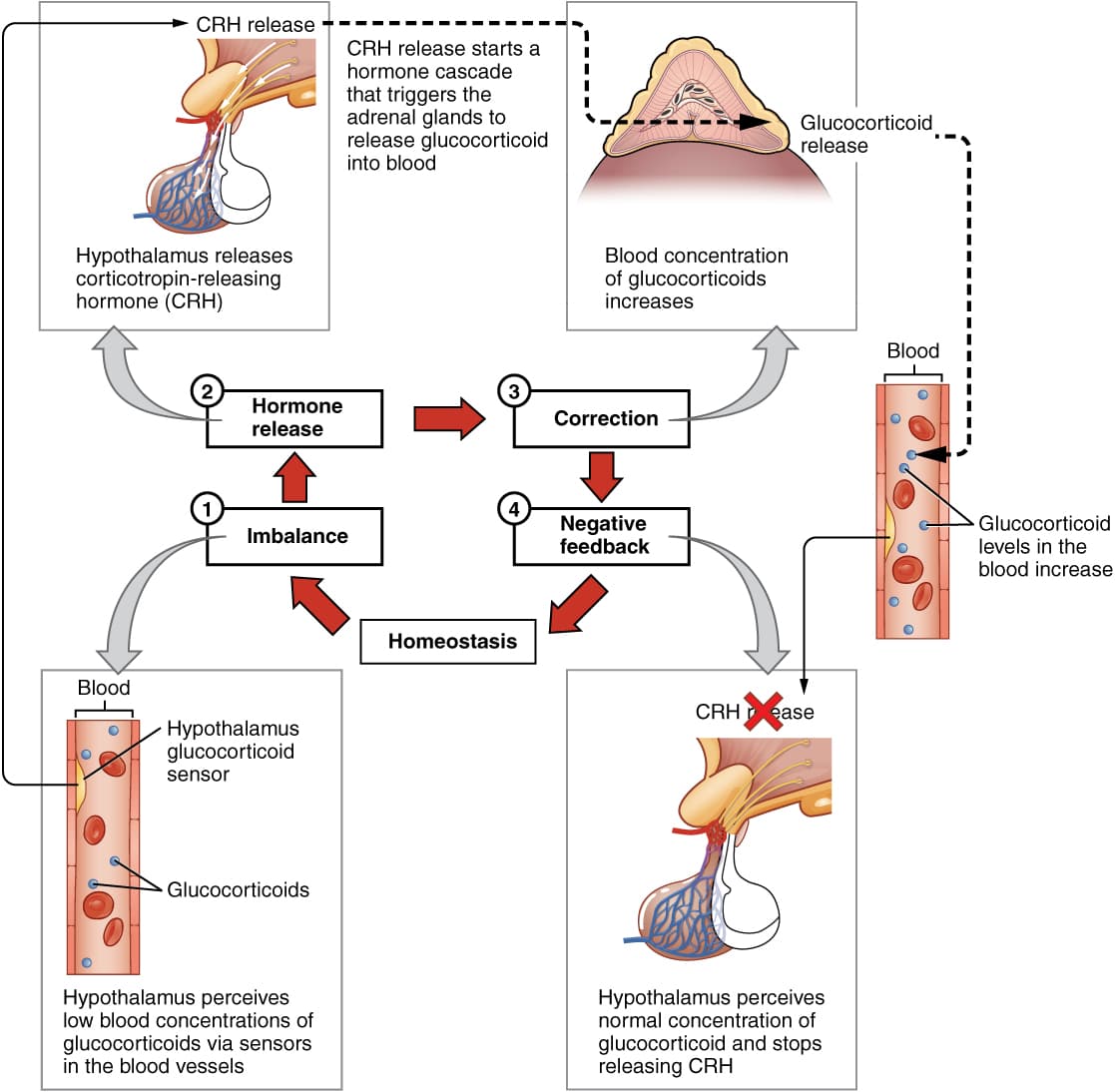
Hormones | Anatomy and Physiology View original
Is this image relevant?
Frontiers | Regulatory and Mechanistic Actions of Glucocorticoids on T and Inflammatory Cells View original
Is this image relevant?
Overview of Metabolic Reactions | Anatomy and Physiology II View original
Is this image relevant?
Hormones | Anatomy and Physiology View original
Is this image relevant?
Glucocorticoids vs. Mineralocorticoids
Glucocorticoids primarily regulate metabolism and the immune response.
- Cortisol is the main endogenous glucocorticoid, produced by the adrenal cortex
- Common synthetic glucocorticoids include prednisone, dexamethasone, and hydrocortisone
- Used to treat:
- Adrenal insufficiency (Addison's disease)
- Inflammatory disorders (asthma, rheumatoid arthritis)
- Autoimmune diseases (lupus, multiple sclerosis)
- Allergic reactions and organ transplant rejection
Mineralocorticoids primarily regulate salt and water balance.
- Aldosterone is the main endogenous mineralocorticoid, also secreted by the adrenal cortex
- Fludrocortisone is the primary synthetic mineralocorticoid used clinically
- Used to treat:
- Adrenal insufficiency (often alongside a glucocorticoid)
- Salt-wasting disorders such as congenital adrenal hyperplasia
One thing to keep straight: many glucocorticoids also have some mineralocorticoid activity. Hydrocortisone, for example, retains more sodium and water than dexamethasone does. This overlap matters because it influences which side effects you'll see.

Actions and Side Effects
Glucocorticoid Actions
- Increase blood glucose by promoting gluconeogenesis (making new glucose) and glycogenolysis (breaking down stored glycogen)
- Suppress inflammation by inhibiting inflammatory mediators like prostaglandins and leukotrienes
- Suppress immune responses by reducing the activity of T-lymphocytes and B-lymphocytes
- Promote protein catabolism (protein breakdown) and lipolysis (fat breakdown), which contributes to muscle wasting and redistribution of body fat
Glucocorticoid Side Effects
These side effects are dose- and duration-dependent. Short courses carry less risk, but chronic use can cause serious problems:
- Hyperglycemia and steroid-induced diabetes from increased glucose production and insulin resistance
- Cushing's syndrome (moon face, buffalo hump, central obesity, thin skin, muscle weakness) from chronic glucocorticoid excess
- Osteoporosis and increased fracture risk because glucocorticoids reduce bone formation and increase bone resorption
- Increased infection risk (bacterial, viral, fungal) due to immunosuppression. Symptoms of infection may also be masked, making early detection harder.
- Hypertension and fluid retention from the mineralocorticoid activity that many glucocorticoids possess
- GI effects including peptic ulcer risk, especially when combined with NSAIDs
- Psychiatric disturbances such as mood swings, insomnia, depression, and even psychosis
- Adrenal suppression with prolonged use, meaning the HPA axis stops producing cortisol on its own
Mineralocorticoid Actions
- Increase sodium reabsorption and potassium excretion in the distal tubules and collecting ducts of the kidneys
- Maintain blood volume and blood pressure by retaining sodium and water
Mineralocorticoid Side Effects
- Hypokalemia and muscle weakness from excessive potassium excretion
- Hypertension and edema from sodium and water retention
- Hypomagnesemia and hypocalcemia from increased urinary excretion of magnesium and calcium

Nursing Considerations and Patient Education
Nursing Considerations
Metabolic monitoring:
- Check blood glucose regularly, especially in patients with diabetes or risk factors. Adjust insulin or oral hypoglycemic agents as needed.
- Monitor serum electrolytes, particularly potassium. Replace as needed to prevent hypokalemia and cardiac arrhythmias.
Cardiovascular and fluid status:
- Track blood pressure, daily weight, and intake/output to detect hypertension, edema, or fluid overload early.
Infection surveillance:
- Assess for signs of infection (fever, chills, purulent drainage, persistent cough). Remember that glucocorticoids can mask typical infection symptoms like fever, so a low threshold for investigation is appropriate.
- Administer antibiotics promptly if infection is suspected.
Bone health:
- Encourage adequate calcium and vitamin D intake. For patients on long-term therapy, the provider may order a baseline bone density scan (DEXA).
GI protection:
- Administer glucocorticoids with food to reduce nausea, dyspepsia, and GI irritation.
Tapering (critical):
- Never discontinue glucocorticoids abruptly after prolonged use. Chronic therapy suppresses the hypothalamic-pituitary-adrenal (HPA) axis, so the adrenal glands need time to resume cortisol production. Taper doses gradually over weeks to months per the provider's orders.
Why tapering matters: If you stop glucocorticoids suddenly, the patient's adrenal glands can't produce enough cortisol on their own. This can trigger acute adrenal crisis (also called Addisonian crisis), which presents with severe hypotension, shock, and can be life-threatening.
Patient Education
- Do not stop your medication suddenly. Abrupt discontinuation can cause adrenal crisis. Always follow the prescribed tapering schedule.
- Report signs of infection (fever, chills, sore throat, persistent cough) right away. Your immune system is suppressed, so infections can progress quickly.
- Know the signs of blood sugar changes. Hyperglycemia: increased thirst, frequent urination, blurred vision. Hypoglycemia: shakiness, sweating, confusion. Report these to your provider.
- Protect your bones. Eat a diet rich in calcium and vitamin D, and do weight-bearing exercise like walking or resistance training to help prevent osteoporosis.
- Wear medical alert identification (bracelet or necklace) that states you take corticosteroids. In an emergency, providers need to know this.
- Tell every healthcare provider you see (dentists, surgeons, urgent care) that you're on steroid therapy. Dosage adjustments may be needed during procedures or illness.
- Report unusual symptoms such as rapid weight gain, facial swelling, persistent edema, or muscle weakness. These may indicate side effects that need dose adjustment.
- Keep follow-up appointments. Regular lab work and check-ins allow your provider to adjust doses and catch complications early.
See Fiveable more often in Google
Mark Fiveable as a preferred source and Google is more likely to show you our guides in Top Stories, with a "preferred" badge in AI Mode and AI Overviews.