13.2 Antipsychotics

💊Pharmacology for Nurses Unit 13 Review
13.2 Antipsychotics
💊 Pharmacology for Nurses
Antipsychotic Medications
Antipsychotic medications treat psychotic disorders like schizophrenia and bipolar disorder by reducing symptoms such as hallucinations, delusions, and disordered thinking. For nurses, understanding how these drugs work, what side effects to watch for, and how to educate patients is central to safe and effective care.

Top images from around the web for Key features of antipsychotic medications
Frontiers | Antipsychotic Treatment of Behavioral and Psychological Symptoms of Dementia (BPSD ... View original
Is this image relevant?
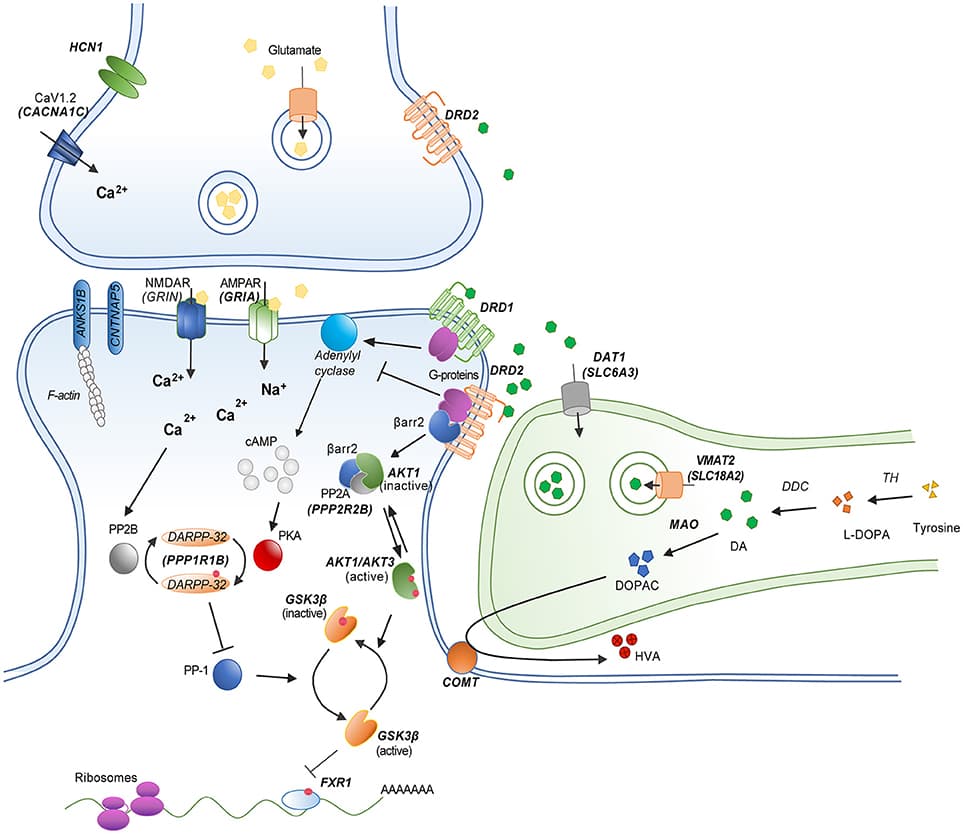
Frontiers | Antipsychotic Drug Responsiveness and Dopamine Receptor Signaling; Old Players and ... View original
Is this image relevant?
Frontiers | Subcortical Dopamine and Cognition in Schizophrenia: Looking Beyond Psychosis in ... View original
Is this image relevant?
Frontiers | Antipsychotic Treatment of Behavioral and Psychological Symptoms of Dementia (BPSD ... View original
Is this image relevant?
Frontiers | Antipsychotic Drug Responsiveness and Dopamine Receptor Signaling; Old Players and ... View original
Is this image relevant?
Key Features of Antipsychotic Medications
All antipsychotics share a core mechanism: they block dopamine D2 receptors in the brain. This reduces dopaminergic activity in the mesolimbic pathway, which is the pathway most associated with psychotic symptoms like hallucinations and delusions.
Beyond D2 blockade, many antipsychotics also act on other receptor types:
- Serotonin 5-HT2A receptors (especially second-generation agents)
- Histamine H1 receptors, which contributes to sedation and weight gain
- Muscarinic acetylcholine receptors, which causes anticholinergic side effects like dry mouth and constipation
These additional receptor interactions explain why different antipsychotics have different side effect profiles, even though they all target dopamine.
Antipsychotics are classified into two main categories: first-generation (typical) and second-generation (atypical).

First-Generation vs. Second-Generation Antipsychotics
First-generation antipsychotics (FGAs) such as haloperidol and chlorpromazine primarily block D2 receptors. They are effective at treating positive symptoms of schizophrenia (hallucinations, delusions, disorganized speech) but have limited effect on negative symptoms.
The trade-off with FGAs is a higher risk of extrapyramidal symptoms (EPS) due to strong D2 blockade in the nigrostriatal pathway. EPS includes:
- Acute dystonia: involuntary muscle contractions, often in the neck, jaw, or eyes
- Akathisia: intense restlessness and an urge to move
- Parkinsonism: tremor, rigidity, bradykinesia (mimics Parkinson's disease)
- Tardive dyskinesia: involuntary repetitive movements, especially of the face and tongue; can be irreversible with prolonged use
Second-generation antipsychotics (SGAs) such as risperidone, olanzapine, quetiapine, and aripiprazole act on multiple receptor types (D2, 5-HT2A, H1, muscarinic). They treat both positive and negative symptoms (social withdrawal, flat affect, lack of motivation) and carry a lower risk of EPS.
However, SGAs come with a higher risk of metabolic side effects:
- Weight gain (olanzapine and clozapine carry the highest risk)
- Dyslipidemia (abnormal cholesterol and triglycerides)
- Hyperglycemia, which can progress to type 2 diabetes
Quick comparison: FGAs = higher EPS risk, lower metabolic risk. SGAs = lower EPS risk, higher metabolic risk. Both block D2 receptors, but SGAs also block 5-HT2A, which is thought to reduce EPS and help with negative symptoms.

Symptom Management and Monitoring
Antipsychotics address two categories of schizophrenia symptoms:
- Positive symptoms: hallucinations, delusions, disorganized thinking. Both FGAs and SGAs are effective here.
- Negative symptoms: social withdrawal, flat affect, lack of motivation, reduced speech. SGAs tend to be more helpful for these.
Therapeutic improvement may take several weeks of consistent dosing, so patients need to understand that results aren't immediate.
Ongoing monitoring should include:
- Metabolic screening: fasting blood glucose, lipid panel, weight, and waist circumference at baseline and at regular intervals (commonly at 3 months, then annually)
- Blood pressure and heart rate: antipsychotics can cause orthostatic hypotension and tachycardia
- EPS assessment: use standardized tools like the Abnormal Involuntary Movement Scale (AIMS) for tardive dyskinesia screening
- Therapeutic drug levels: for certain agents (e.g., clozapine), blood level monitoring is required
Watch for metabolic syndrome, a cluster of conditions (elevated blood pressure, high fasting glucose, excess abdominal fat, abnormal cholesterol) that significantly increases cardiovascular risk.
Nursing Considerations for Antipsychotics
-
Establish a baseline. Assess mental status, behavior, vital signs, weight, and relevant lab values before the first dose. This gives you a reference point for tracking changes.
-
Monitor vital signs. Check blood pressure (lying and standing) and heart rate regularly. Orthostatic hypotension is common, especially early in treatment or after dose increases. Teach patients to rise slowly from sitting or lying positions.
-
Administer correctly. Verify the dose, route, and frequency. Some antipsychotics are available as long-acting injectables (e.g., paliperidone palmitate), which require specific injection techniques and monitoring schedules.
-
Watch for side effects. Key categories to monitor:
- EPS: muscle rigidity, tremor, restlessness, involuntary movements
- Metabolic changes: weight gain, increased appetite, fatigue
- Anticholinergic effects: dry mouth, constipation, urinary retention, blurred vision
- Neuroleptic malignant syndrome (NMS): a rare but life-threatening reaction characterized by high fever, severe muscle rigidity, altered mental status, and autonomic instability. This is a medical emergency requiring immediate intervention.
-
Assess therapeutic response. Look for reduction in psychotic symptoms and improved ability to perform daily activities and engage in therapy. Document changes over time.
-
Collaborate with the healthcare team. Communicate observations about side effects and therapeutic response so the medication regimen can be adjusted as needed.
Patient Education for Antipsychotic Use
Effective patient education improves adherence and outcomes. Cover these key points:
- Purpose and expectations. Explain that the medication reduces psychotic symptoms but may take weeks to reach full effect. Set realistic expectations so patients don't stop the drug prematurely.
- Side effect management. Teach patients to recognize common side effects and what to do about them. For metabolic effects, discuss strategies like a balanced diet and regular physical activity. Emphasize reporting any new or worsening symptoms, especially involuntary movements or signs of high blood sugar (increased thirst, frequent urination).
- Adherence. Stress the importance of taking the medication consistently, even when symptoms improve. Stopping abruptly can cause relapse. Patients should never discontinue without consulting their prescriber.
- Safety precautions. Advise patients to avoid alcohol, rise slowly to prevent falls from orthostatic hypotension, and use caution with driving or operating machinery until they know how the medication affects them.
- Follow-up. Encourage regular appointments for lab work and symptom monitoring. Remind patients that ongoing communication with their healthcare team is part of successful treatment.
- Support resources. Connect patients with mental health support groups, community resources, and educational materials about their condition. Social support plays a significant role in long-term recovery.
See Fiveable more often in Google
Mark Fiveable as a preferred source and Google is more likely to show you our guides in Top Stories, with a "preferred" badge in AI Mode and AI Overviews.