13.5 CNS Stimulants and Nonstimulants

💊Pharmacology for Nurses Unit 13 Review
13.5 CNS Stimulants and Nonstimulants
💊 Pharmacology for Nurses
CNS stimulants and nonstimulants are the primary drug classes used to treat ADHD and narcolepsy. They work by increasing dopamine and/or norepinephrine activity in the brain, which improves focus, reduces impulsivity, and promotes wakefulness.
Stimulants like methylphenidate and amphetamines are first-line treatments, but nonstimulants offer important alternatives for patients who can't tolerate stimulants or have a history of substance abuse. Understanding the pharmacology, side effects, drug interactions, and nursing considerations for these medications is essential for safe patient care.
CNS Stimulants and Nonstimulants

Top images from around the web for CNS stimulants and nonstimulants for disorders
Stimulants | Introduction to Psychology View original
Is this image relevant?
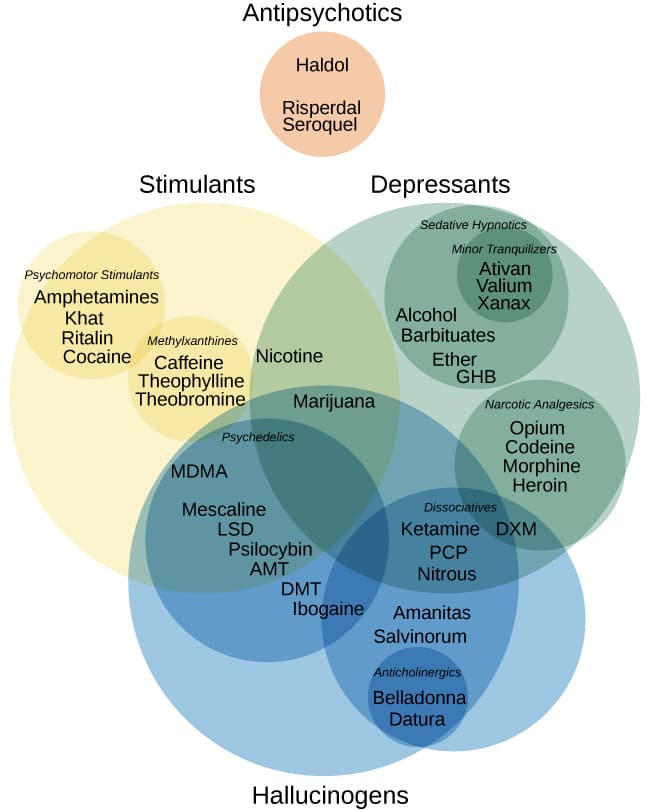
Substance Use and Abuse – Psychology View original
Is this image relevant?
Frontiers | The Role of Dopamine in the Stimulant Characteristics of Novel Psychoactive ... View original
Is this image relevant?
Stimulants | Introduction to Psychology View original
Is this image relevant?
Substance Use and Abuse – Psychology View original
Is this image relevant?
CNS Stimulants and Nonstimulants for Disorders
ADHD is the primary indication for both drug classes. CNS stimulants improve attention, reduce impulsivity, and decrease hyperactivity by boosting dopamine and norepinephrine in the prefrontal cortex, the brain region responsible for executive function.
The two main stimulant categories work through slightly different mechanisms:
- Methylphenidate (Ritalin, Concerta) blocks the reuptake of dopamine and norepinephrine, keeping more of these neurotransmitters available in the synapse. This increases alertness, attention, and energy.
- Amphetamines (Adderall, Dexedrine) actively increase the release of dopamine and norepinephrine from nerve terminals, in addition to blocking reuptake. This enhances focus, concentration, and wakefulness.
The distinction matters: methylphenidate prevents removal of neurotransmitters, while amphetamines push more neurotransmitter out into the synapse. Both raise dopamine and norepinephrine levels, but through different pathways.
Narcolepsy is the other major indication. CNS stimulants promote wakefulness and reduce excessive daytime sleepiness in these patients.
Nonstimulants provide alternatives for both conditions:
- Atomoxetine (Strattera) is a selective norepinephrine reuptake inhibitor (SNRI, but not the antidepressant class). It increases norepinephrine levels to improve attention and reduce impulsivity in ADHD. It has no significant dopamine activity, which is why it has lower abuse potential.
- Modafinil (Provigil) and Armodafinil (Nuvigil) are wakefulness-promoting agents believed to increase dopamine levels. They're primarily used for narcolepsy and excessive daytime sleepiness rather than ADHD.

Pharmacology of ADHD and Narcolepsy Medications
All of these medications must cross the blood-brain barrier to reach the CNS and exert their therapeutic effects.
Mechanism summary:
- CNS stimulants enhance dopamine and norepinephrine neurotransmission in the prefrontal cortex
- Atomoxetine selectively increases norepinephrine
- Modafinil/Armodafinil primarily increase dopamine to promote wakefulness
Side effects of CNS stimulants:
- Insomnia (especially if dosed too late in the day)
- Decreased appetite and weight loss
- Headache
- Irritability and anxiety
- Increased heart rate and blood pressure (cardiovascular stimulation)
Side effects of nonstimulants:
- Atomoxetine: nausea, dry mouth, fatigue, decreased appetite
- Modafinil/Armodafinil: headache, nausea, anxiety, insomnia
Drug interactions to watch for:
| Drug Class | Interacting With | Risk |
|---|---|---|
| CNS stimulants | MAO inhibitors | Hypertensive crisis (potentially fatal) |
| CNS stimulants | Antidepressants (SSRIs, SNRIs) | Serotonin syndrome |
| Atomoxetine | SSRIs and SNRIs | Serotonin syndrome |
| Modafinil/Armodafinil | Hormonal contraceptives | Decreased contraceptive effectiveness |
The modafinil/contraceptive interaction is one that's easy to overlook. Patients using hormonal birth control should be counseled to use a backup method.

Nursing Considerations for CNS Medications
Administration:
- Give medications at the prescribed dose and on schedule. Stimulants are typically dosed in the morning to avoid insomnia.
- Follow directions regarding food; some formulations can be taken with or without food, while others have specific instructions.
- Do not crush extended-release formulations (e.g., Concerta).
Monitoring for therapeutic response:
- Look for improvement in attention, concentration, and wakefulness
- Observe for reduction in impulsivity and hyperactivity
- In narcolepsy patients, assess whether excessive daytime sleepiness has decreased
Monitoring for adverse effects:
- Check vital signs at each visit, with particular attention to heart rate and blood pressure
- Assess sleep patterns, appetite, and weight changes regularly
- Observe for mood changes, irritability, anxiety, or signs of depression
- In children and adolescents on atomoxetine, monitor for suicidal ideation (FDA black box warning)
Additional nursing actions:
- Perform regular medication reconciliation to catch dangerous interactions
- Collaborate with providers for dose adjustments when therapeutic response is inadequate or side effects are problematic
- Be aware that some of these medications may be used off-label for conditions not FDA-approved (e.g., modafinil for shift-work sleep disorder)
Patient Education for Attention and Sleep Medications
- Explain what the medication does and what realistic outcomes to expect. Stimulants typically work within 30-60 minutes; atomoxetine may take 4-6 weeks for full effect.
- Review proper dosage timing. Stimulants should generally be taken early in the day. Missed doses should not be doubled.
- Discuss common side effects and practical management strategies: eating a good breakfast before the stimulant kicks in can help with appetite loss; maintaining a consistent bedtime routine helps with insomnia.
- Instruct patients to report severe or persistent side effects to their healthcare team, including chest pain, palpitations, or mood changes.
- Advise patients to avoid alcohol and use caution when operating machinery, especially when starting a new medication or adjusting doses.
- Encourage a balanced diet, regular exercise, and good sleep hygiene to complement pharmacologic treatment.
- Stress the importance of regular follow-up appointments for monitoring vital signs, growth (in pediatric patients), and treatment effectiveness.
- For patients on modafinil/armodafinil, specifically counsel about the interaction with hormonal contraceptives.
- Provide resources for additional support such as counseling, behavioral therapy, or support groups, which are especially valuable alongside medication for ADHD.
Regulatory and Safety Considerations
Most CNS stimulants (methylphenidate, amphetamines) are Schedule II controlled substances under the DEA, meaning they have a high potential for abuse and dependence. This classification affects prescribing and dispensing:
- Prescriptions typically cannot be called in and may require a new written prescription each time (no refills on Schedule II)
- Nurses should be aware of diversion risks, especially in settings where these medications are stored
Tolerance and dependence: Long-term stimulant use can lead to tolerance, where higher doses are needed for the same therapeutic effect. Some patients may develop physical or psychological dependence. This is one reason nonstimulants like atomoxetine are preferred for patients with a history of substance use disorder.
Nonstimulants (atomoxetine, modafinil, armodafinil) are not Schedule II and carry lower abuse potential, making them important alternatives in at-risk populations.
There is ongoing ethical and clinical debate about the use of stimulants for cognitive enhancement in healthy individuals, but this falls outside their approved indications.
See Fiveable more often in Google
Mark Fiveable as a preferred source and Google is more likely to show you our guides in Top Stories, with a "preferred" badge in AI Mode and AI Overviews.