6.15 Vergil Eclogues Study Guide

🏛AP Latin Unit 6 Review
6.15 Vergil Eclogues Study Guide
🏛 AP Latin
6.1
Catullus Selected Poems Study Guide
6.2
Horace Sermones 1.9 Boor Study Guide
6.3
Horace Odes Study Guide
6.3
Horace Odes 4.14 Praising Augustus Study Guide
6.4
Ovid Amores 1.9, 3.1 Study Guide
6.5
Ovid Fasti Book 3 Arion Study Guide
6.6
Ovid Tristia Study Guide
6.7
Ovid Epistulae Ex Ponto Study Guide
6.8
Ovid Heroides 1 and 7 Study Guide
6.9
Ovid Metamorphoses: Narcissus Study Guide
6.9
Ovid Metamorphoses: Daedalus and Icarus Study Guide
6.9
Ovid Metamorphoses: Philemon and Baucis Study Guide
6.9
Ovid Metamorphoses: King Midas Study Guide
6.9
Ovid Metamorphoses: Aeneas in the Underworld Study Guide
6.9
Ovid Metamorphoses: Celebration of the Caesars Study Guide
6.9
Ovid Metamorphoses Similes and Metaphors Study Guide
6.9
Ovid Metamorphoses: Daphne and Phoebus Study Guide
6.10
Martial Epigrams Study Guide
6.11
Propertius Elegies Study Guide
6.12
Tibullus Elegiac Poetry Study Guide
6.13
Sulpicia Six Poems Study Guide
6.14
Vergil Additional Aeneid: Trojan War Study Guide
6.14
Vergil Additional Aeneid: Epic Elements Study Guide
6.15
Vergil Eclogues Study Guide
6.16
Vergil Georgics: Orpheus and Eurydice Study Guide
6.17
Faltonia Betinia Proba Cento Vergilianus Study Guide
6.18
Juan Latino De natali serenissimi Study Guide
6.19
Martha Marchina Musa Posthuma Study Guide
6.20
Luisa Sigea de Velasco Syntra Study Guide
6.21
Rafael Landivar Rusticatio Mexicana Study Guide
6.22
Leo Kaiser Early American Latin Verse Study Guide
6.23
Carmina Burana Medieval Songs Study Guide
6.24
Medieval Latin Poetry Study Guide
6.25
Renaissance Latin Poetry Study Guide
6.26
Neo-Latin Poetry Study Guide
6.27
Christian Latin Poetry Study Guide
6.28
Epitaphs and Inscriptions Study Guide
6.29
Carmina Epigraphica Study Guide
6.30
Modern Latin Poetry Study Guide
6.31
Contemporary Latin Poetry Study Guide
6.32
Student Choice Poetry Study Guide
TLDR
The Eclogues, also called Bucolics, use pastoral settings and shepherd voices to think about poetry, loss, politics, and desire. This is a Teacher's Choice text, so it is not required reading for the AP Latin exam.
Why This Matters for the AP Latin Exam
This is Teacher's Choice, not required reading. It helps you recognize pastoral genre and explain how setting and speaker shape meaning.
CED Alignment
- Topic: 6.15
- STYL-5.G: pastoral poetry idealizes rural life and shepherds
What to Know
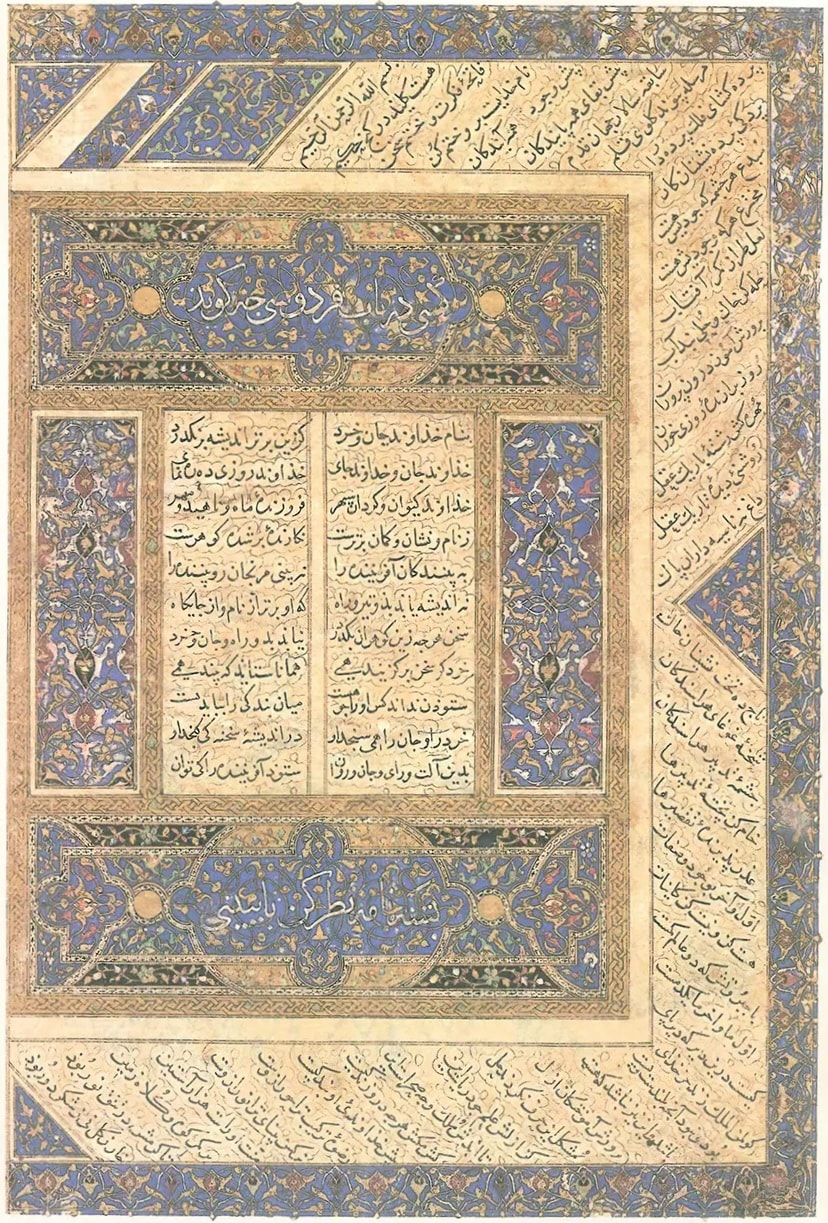
- Suggested texts are selected Eclogues, also called Bucolics.
- Pastoral poetry often presents the countryside as beautiful and musical, but not always simple or peaceful.
- Shepherd speakers can express personal, poetic, or political concerns indirectly.
How to Study This Text
- Identify the speaker and setting before making claims about theme.
- Notice contrasts between idealized rural life and hints of disruption.
- Use genre terms precisely: pastoral is not just any poem about nature.
Quick Review
- First, identify the speaker, setting, and situation.
- Next, translate the grammar literally enough that your interpretation rests on the Latin.
- Finally, cite a short Latin phrase and explain how it supports your claim.
Frequently Asked Questions
What is Vergil Eclogues in AP Latin?
Topic 6.15: Vergil Eclogues in AP Latin focuses on The Eclogues, also called Bucolics, use pastoral settings and shepherd voices to think about poetry, loss, politics, and desire.
Why does Vergil Eclogues matter for the AP exam?
Vergil Eclogues can appear in AP-style questions that ask students to explain a concept, apply evidence, compare examples, or connect the topic to course themes.
What should I know for Topic 6.15: Vergil Eclogues?
Know the main vocabulary, examples, and relationships in Unit 6 - Suggested Practice - Latin Poetry. The guide also reviews Why This Matters for the AP Latin Exam, course alignment, What to Know. Then practice explaining how the topic fits into AP Latin.
How should I study Vergil Eclogues?
Start with a clear definition, review examples from the guide, and answer AP-style practice questions so you can apply the topic in context.
See Fiveable more often in Google
Mark Fiveable as a preferred source and Google is more likely to show you our guides in Top Stories, with a "preferred" badge in AI Mode and AI Overviews.