14.3 Climate Fiction and the Anthropocene in World Literature

📔Intro to Comparative Literature Unit 14 Review
14.3 Climate Fiction and the Anthropocene in World Literature
📔 Intro to Comparative Literature
Climate Fiction and the Anthropocene in World Literature
Climate fiction (cli-fi) uses storytelling to make climate change feel real and personal. Instead of presenting data and projections, it places characters in worlds shaped by rising seas, drought, and ecological collapse. The Anthropocene, a proposed geological epoch defined by humanity's measurable impact on Earth's systems, gives these stories their conceptual foundation. Together, cli-fi and the Anthropocene have become central to how world literature grapples with environmental crisis.

Top images from around the web for Definition and role of cli-fi
Canada’s first climate change election | Pursuit by The University of Melbourne View original
Is this image relevant?
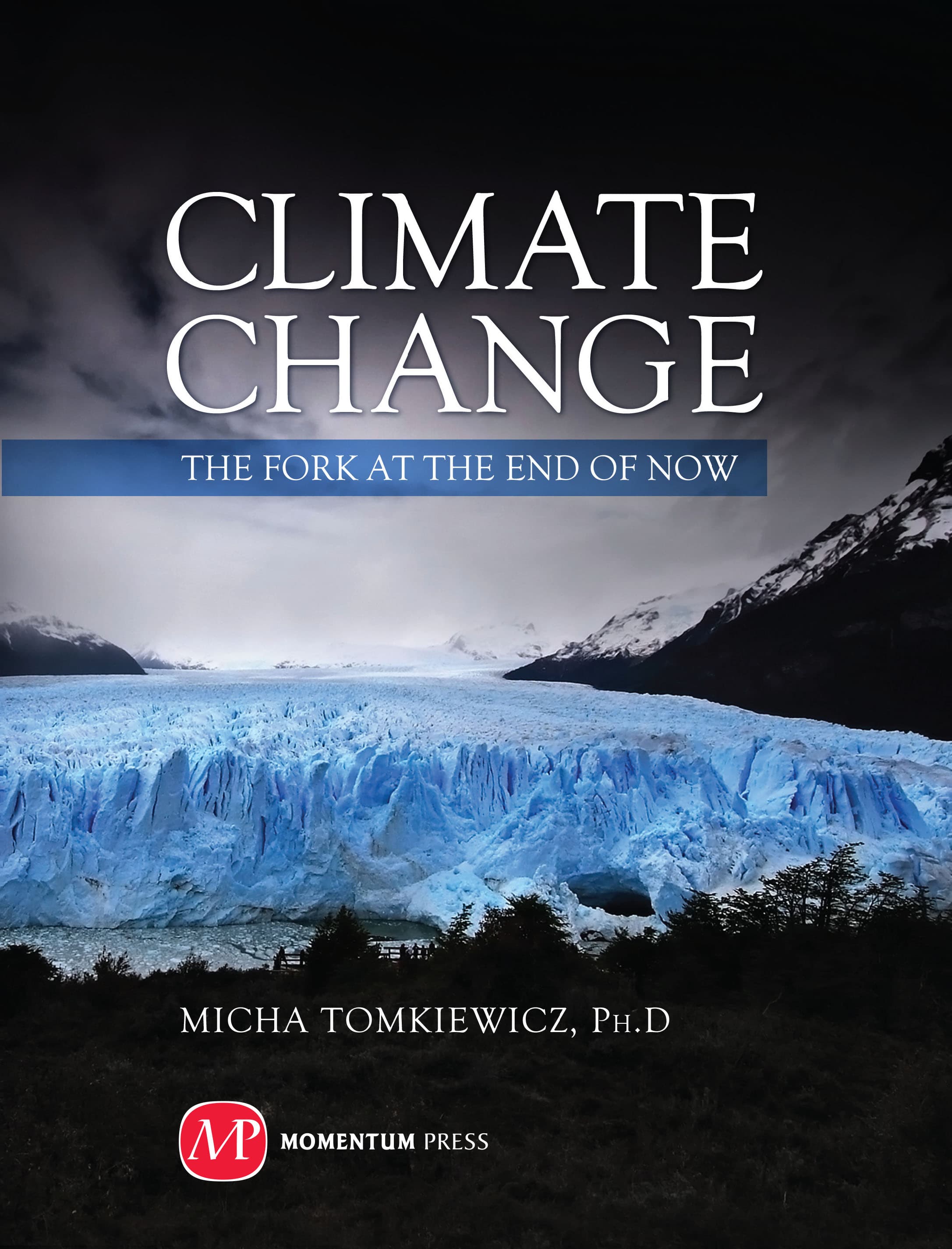
Introduction - ENERGY USE AND CLIMATE CHANGE - Brooklyn College Library LibGuides Home at ... View original
Is this image relevant?
"Thinking through the future of climate change with fiction" by Ted Howell View original
Is this image relevant?
Canada’s first climate change election | Pursuit by The University of Melbourne View original
Is this image relevant?
Introduction - ENERGY USE AND CLIMATE CHANGE - Brooklyn College Library LibGuides Home at ... View original
Is this image relevant?
Definition and Role of Cli-Fi
Climate fiction, or cli-fi, crystallized as a recognizable literary genre in the early 21st century, though earlier works like J.G. Ballard's The Drowned World (1962) explored similar territory. What sets cli-fi apart from general science fiction is its specific focus on climate change as a driving force of the narrative, not just a backdrop.
Cli-fi works typically draw on speculative fiction techniques, often building dystopian or post-apocalyptic settings. But the genre's real power lies in humanizing scientific predictions. A report on sea-level rise gives you numbers; a novel like Amitav Ghosh's The Hungry Tide (2004) gives you a family watching their home disappear beneath the waters of the Sundarbans.
Common consequences depicted in cli-fi include:
- Sea-level rise and coastal flooding that displaces entire communities
- Extreme weather events such as hurricanes, prolonged droughts, and heat waves
- Resource scarcity leading to conflict over water, food, and habitable land
- Mass migration, with "climate refugees" becoming a recurring figure in these narratives
- Societal collapse or transformation, where existing political and economic systems buckle under environmental pressure

The Anthropocene in World Literature
The Anthropocene is a proposed geological epoch marking the point at which human activity became the dominant influence on Earth's climate and ecosystems. While geologists still debate its official start date (candidates range from the dawn of agriculture to the mid-20th century's nuclear tests and "Great Acceleration" of industrial activity), the concept has profoundly shaped literary imagination.
In literature, the Anthropocene does several things at once. It blurs the old boundary between "nature" and "culture," since human systems and natural systems are now inseparable. It pushes writers to think on temporal scales far beyond a single human life, considering deep geological time alongside everyday experience. And it challenges the traditional focus on individual human protagonists, asking who (or what) really matters in a story about planetary change.
Key literary features of Anthropocene writing include:
- Non-human perspectives: Some narratives give voice to animals, ecosystems, or even geological forces, decentering the human viewpoint. Richard Powers' The Overstory (2018), for instance, structures its plot around the lives of trees.
- Collective over individual experience: Rather than a single hero's journey, these works often track communities, species, or entire civilizations across time.
- Scientific discourse woven into fiction: Writers incorporate climate science, ecology, and earth-systems thinking directly into their storytelling to convey urgency.
- Themes of responsibility and complicity: Characters (and readers) are asked to confront humanity's role in environmental destruction, not as distant observers but as participants.

Cultural Perspectives in Cli-Fi
Climate change does not affect everyone equally, and cli-fi from different regions reflects that reality. A novel set in Bangladesh will depict climate crisis very differently from one set in suburban California.
Indigenous knowledge plays an important role in many cli-fi works, particularly from the Global South. Writers draw on long-standing ecological relationships and traditional land management practices as alternatives to industrial approaches. This connects to the broader North-South divide in climate literature: communities in the Global South often face the worst consequences of emissions they contributed least to. A novel like the Nigerian-American Nnedi Okofor's Lagoon (2014) roots its speculative vision in West African cultural frameworks rather than Western sci-fi conventions, showing how different traditions produce different ways of imagining ecological futures.
Environmental justice is a recurring theme. Cli-fi frequently highlights how marginalized communities, whether defined by race, class, geography, or colonial history, bear disproportionate climate impacts. Regional variations matter too. Coastal nations write about flooding and storm surges; Sahel-region literature explores desertification and water scarcity. These aren't just different settings; they reflect fundamentally different relationships to ecological crisis.
Broader ecological themes also appear: biodiversity loss, tipping points (thresholds beyond which ecosystems shift irreversibly), and the interconnectedness of global systems where a disruption in one region cascades elsewhere.
Impact of Cli-Fi on Climate Action
Cli-fi's most significant contribution is translating abstract scientific concepts into stories that generate empathy. Reading about a character losing their home to flooding engages emotions in ways a graph of temperature anomalies cannot. This is what Amitav Ghosh argues in The Great Derangement (2016): that the failure to address climate change is partly a failure of imagination, and literature has a role in closing that gap.
Beyond empathy, cli-fi encourages systems thinking. These narratives show how energy policy, economics, migration, food production, and weather are all linked. Readers come away understanding climate change not as a single issue but as a web of interconnected problems.
Other impacts include:
- Questioning existing systems: Cli-fi often critiques the economic and political structures that drive emissions, pushing readers to think critically about growth-based economies and consumption patterns
- Ethical exploration: Stories examine difficult questions about who should bear the costs of mitigation and adaptation, and what obligations wealthy nations owe to vulnerable ones
- Shaping public discourse: Cli-fi narratives influence how media frames climate issues and can feed into policy conversations by making distant consequences feel immediate
- Bridging science and public understanding: For readers who won't engage with climate reports, fiction provides an accessible entry point into the science
Cli-fi doesn't replace scientific communication. It complements it by reaching audiences through narrative and emotional engagement, making the stakes of the Anthropocene feel urgent and personal.
See Fiveable more often in Google
Mark Fiveable as a preferred source and Google is more likely to show you our guides in Top Stories, with a "preferred" badge in AI Mode and AI Overviews.