8.2 Feature writing and long-form journalism

📰Intro to Journalism Unit 8 Review
8.2 Feature writing and long-form journalism
📰 Intro to Journalism
Feature Writing and Long-form Journalism
Feature writing and long-form journalism go beyond the surface-level facts of news reporting. These formats let journalists explore complex topics, people, and events in depth, using descriptive language and varied structures to pull readers in and keep them engaged.
Unlike a standard news story, a feature relies on emotional appeal and human interest to make a lasting impact. That means extensive research, careful planning, and skillful execution to craft narratives that balance real human stories with solid factual information.
News Reporting vs. Feature Writing
These two forms of journalism serve different purposes, and understanding the distinction is central to knowing when and how to use each one.
News reporting delivers timely, objective facts about current events. It follows the inverted pyramid structure, front-loading the most important information (the 5 Ws and H) so editors can cut from the bottom without losing key details. The tone is neutral, and the writing is concise.
Feature writing explores topics in depth using descriptive, narrative language. Features come in many forms: profiles of interesting people, human interest stories, trend pieces, or behind-the-scenes looks at events. The structure varies depending on the story.
A few key differences to remember:
- Timeliness: News covers what just happened. Features often cover timeless or ongoing subjects, providing context, background, and analysis.
- Tone: News stays objective and detached. Features use anecdotes, vivid quotes, and emotional appeal to connect with readers.
- Structure: News almost always uses the inverted pyramid. Features might use a narrative arc, a thematic structure, or something more creative.
Strategies for Long-form Journalism
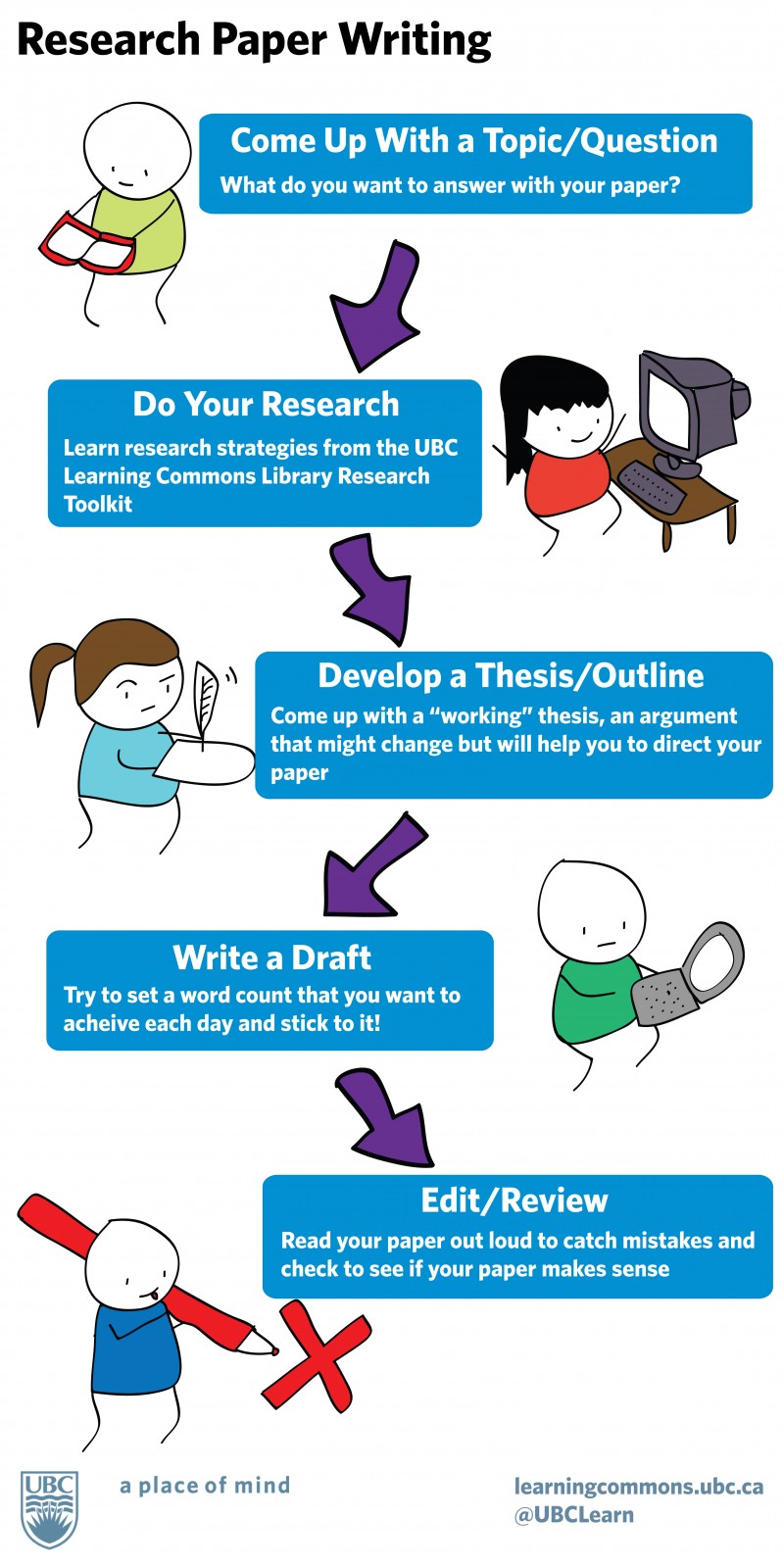
Long-form pieces require more preparation than a typical news story. The process breaks down into three phases:
Research
- Identify relevant sources: experts, witnesses, documents, public records, data sets
- Conduct thorough background research before you start interviewing
- Verify information and fact-check claims against multiple sources
Planning
- Determine your story angle and focus. A long-form piece still needs a clear central question or theme; otherwise it becomes a shapeless information dump.
- Outline key points and structure before you start drafting
- Schedule interviews and gather necessary resources (visuals, data, archival material)
Execution
- Conduct interviews, gather quotes, and collect supporting evidence
- Write an engaging lead that hooks readers and signals what the story is about
- Build a compelling narrative that weaves together facts, analysis, and human interest elements
- Edit for clarity, coherence, and logical flow. Read it aloud to catch awkward phrasing or sections that drag

Crafting Engaging Feature Articles
The best features balance two things: human stories and factual substance. Lean too far toward emotion and you lose credibility. Lean too far toward data and you lose the reader.
Human interest elements create the emotional connection. Include compelling characters, personal stories, and descriptive details. Use sensory language (what things looked, sounded, or smelled like) to put the reader in the scene. For example, instead of writing "the neighborhood was run-down," describe the peeling paint on the storefronts and the sound of a screen door banging in the wind.
Factual information provides the foundation of credibility. This means accurate data, statistics, direct quotes, historical context, and expert insights. A profile of a small-town teacher fighting for better school funding becomes much stronger when you include the district's actual budget numbers and how they compare to state averages.
Balancing the two is where the craft comes in. Use anecdotes and personal examples to illustrate larger points. Then provide analysis and interpretation to give meaning to the facts. A single person's story can open a window into a systemic issue, but only if you connect the dots for the reader.
Impact of Long-form Journalism
Long-form journalism matters because it does things shorter formats can't:
- Depth: It allows thorough exploration of multifaceted topics like politics or social inequality, providing context, nuance, and multiple perspectives that help readers understand issues beyond the headlines.
- Awareness: It raises public awareness and sparks conversation about important issues. Coverage of topics like climate change or economic inequality can influence public opinion and even policy decisions.
- Accountability: Investigative long-form pieces have exposed corruption and injustice throughout journalism's history. The Washington Post's reporting on the Watergate scandal is a classic example, but investigative features continue to drive change today.
Long-form work takes many shapes. Narrative features humanize social issues by telling the stories of people affected by homelessness, immigration, or poverty. Explanatory pieces break down complex topics like the global economy or new scientific discoveries so general audiences can understand them.
Ethical Considerations and Best Practices
Because feature and long-form journalism involves spending significant time with sources and telling deeply personal stories, ethical standards are especially important.
Accuracy and fact-checking: Verify information from multiple sources. If you make an error, correct it promptly and transparently. Your credibility depends on it.
Fairness and balance: Present multiple perspectives. If your piece includes criticism of a person or organization, give them the opportunity to respond. Avoid stacking the deck toward one viewpoint.
Transparency and disclosure: Disclose any conflicts of interest. Attribute information to its sources, and credit other journalists' work when you build on their reporting.
Sensitivity and empathy: Handle sensitive topics like trauma, grief, or illness with care. Consider the potential impact your story could have on your subjects' lives. Minimize harm, especially when working with vulnerable sources who may not fully understand how publication could affect them.
Storytelling Techniques
Strong feature writing also depends on craft. A few techniques worth practicing:
- Vivid details and sensory language immerse the reader in the scene rather than just telling them what happened
- Narrative arc gives your story shape. Think of it as exposition (setup), rising action (building tension or complexity), climax (the turning point or key revelation), and resolution (what it means or where things stand now)
- Creative formats can set your work apart. Non-linear storytelling, multimedia elements like embedded audio or interactive graphics, and unconventional structures all have a place in long-form work, as long as they serve the story rather than distract from it
See Fiveable more often in Google
Mark Fiveable as a preferred source and Google is more likely to show you our guides in Top Stories, with a "preferred" badge in AI Mode and AI Overviews.