5.4 On-the-scene reporting and observation skills

📰Intro to Journalism Unit 5 Review
5.4 On-the-scene reporting and observation skills
📰 Intro to Journalism
On-the-Scene Reporting Skills
On-the-scene reporting is what separates journalism from secondhand summaries. When you're physically present at an event, you can capture details no press release will ever include. This section covers how to observe effectively, interview on the fly, verify what you're hearing, and adapt when things shift unexpectedly.
Reporters working in the field also face real ethical pressures: when to approach someone in distress, how to protect a source's identity, and how to stay independent when outside forces push back. Those considerations run through everything below.

Top images from around the web for Detailed observations and descriptions
vpclil-five-senses - 03-CLASSROOM SCENARY View original
Is this image relevant?
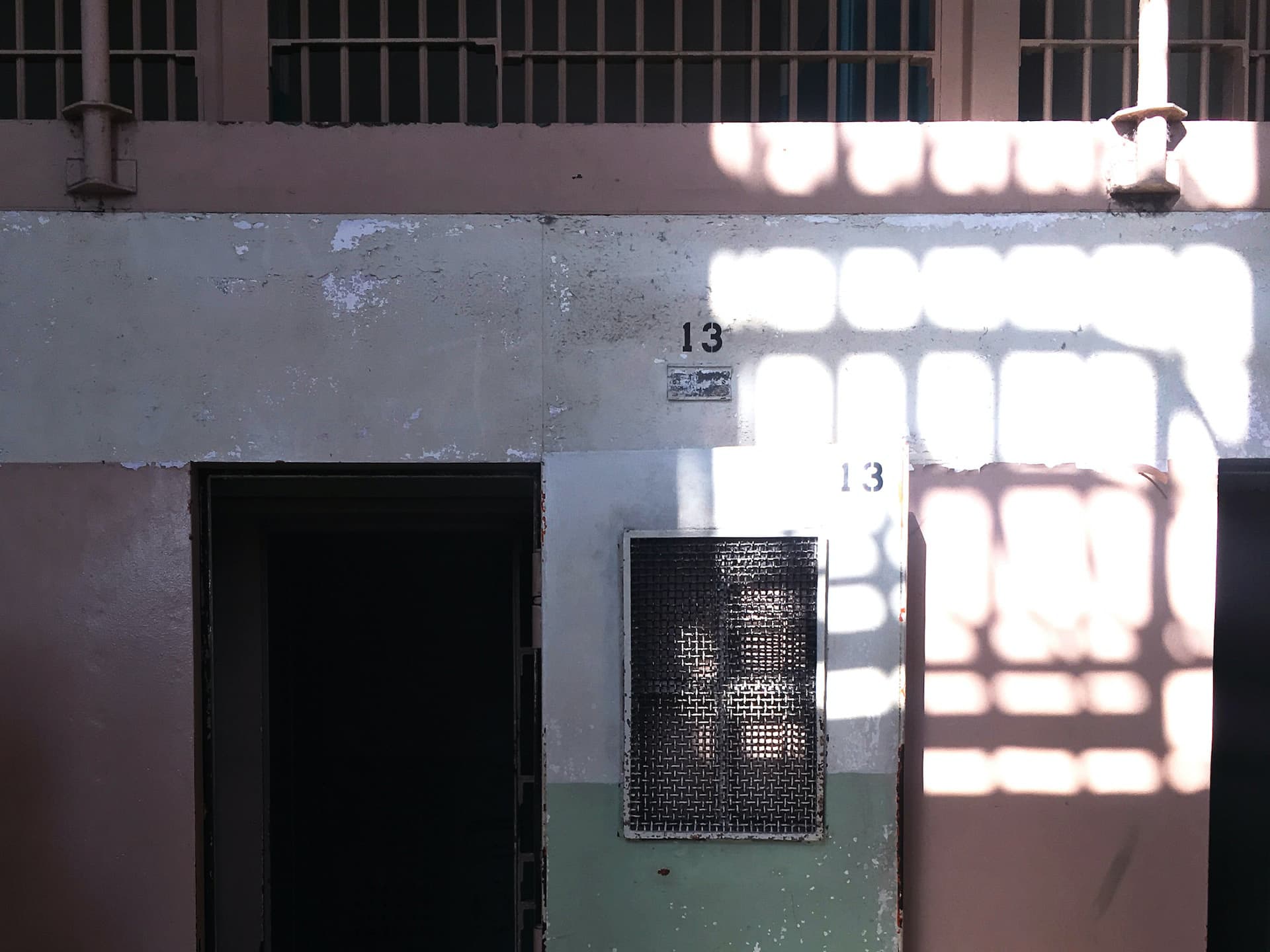
Describing Prison With All 5 Senses View original
Is this image relevant?
Frontiers | Multisensory Experiences: A Primer View original
Is this image relevant?
vpclil-five-senses - 03-CLASSROOM SCENARY View original
Is this image relevant?
Describing Prison With All 5 Senses View original
Is this image relevant?
Detailed Observations and Descriptions
Your job at a scene is to collect raw material that makes the story real for someone who wasn't there. That means going beyond what you see and engaging all five senses:
- Sight: Note colors, sizes, shapes, and spatial details. Are there vibrant red banners hanging from a building? A line of police vehicles stretching two blocks?
- Sound: Record background noises, conversations, and audio cues. Sirens wailing, a crowd chanting a slogan, the hum of generators.
- Smell: Distinct odors contribute to atmosphere more than most reporters realize. Acrid smoke from a fire scene, fresh rain on pavement, tear gas.
- Touch: Observe textures, temperatures, and physical sensations you or others experience. Chilling wind, rough barricades, the heat radiating off asphalt.
- Taste: Occasionally relevant, especially at food-related events or environmental stories. Sweet cotton candy at a fair, metallic-tasting water in a contamination story.
Beyond sensory detail, document the physical environment:
- Sketch or note the arrangement of key structures and landmarks (city hall entrance, the intersection where the crowd gathered, the stage setup)
- Track the positioning and movement of people and objects (where barricades are placed, which direction marchers are heading)
A few habits that separate strong field reporters from average ones:
- Record the exact time, date, and location of what you observe. "2:30 PM, April 25th, northwest corner of Times Square" is far more useful than "that afternoon."
- Chronicle key moments as they unfold. The speaker takes the stage, the crowd erupts, police move in. Sequence matters for accuracy.
- Flag anything unusual or unexpected. A sudden power outage, an impromptu counter-protest, a notable person arriving unannounced. These details often become the lead.
- Note the overall mood. Is the atmosphere tense? Celebratory? Confused? This context shapes how you frame the story.
Impromptu Witness Interviews
At a breaking scene, you won't have pre-scheduled interviews. You need to identify and approach sources quickly.
Who to look for:
- Eyewitnesses who directly observed what happened (bystanders, passengers, nearby workers)
- Participants directly involved in the situation (protesters, event organizers, first responders)
- Experts or authorities with relevant knowledge (police officers, fire marshals, medical personnel)
How to approach them:
-
Identify yourself clearly as a journalist and state your outlet's name.
-
Be respectful of their time and emotional state. A simple "Would you be willing to tell me what you saw?" goes a long way.
-
Ask open-ended questions that invite detailed responses rather than yes/no answers:
- "What did you see happen?"
- "How did the situation develop from where you were standing?"
- "Why do you think this happened?"
-
Practice active listening. Don't just wait for your next question. Follow up on what they actually say.
-
Probe further on crucial points. Ask for specific examples, request elaboration, and gently press on vague claims.
-
Get contact information (phone number, email) before you part ways. You'll almost always need to follow up.
Record responses accurately. If you're taking handwritten notes, read back key quotes to confirm you got them right. If you're recording audio, make sure the person knows.

Information Verification and Corroboration
Eyewitness accounts are valuable but unreliable on their own. People misremember, exaggerate, and see events from limited angles. Verification is how you turn raw accounts into trustworthy reporting.
Cross-reference multiple sources:
- Compare observations and accounts from at least two or three independent sources
- Identify where accounts agree and where they conflict
- When details clash, pursue additional sources to resolve the discrepancy (surveillance footage, official statements, physical evidence)
Verify specific claims against reliable references:
- Check official records, documents, or databases (police reports, public records, permit filings)
- Contact relevant authorities or experts for confirmation (government agencies, hospital spokespeople, academic researchers)
Evaluate source credibility:
- Consider potential biases or motivations. Does this person have a personal agenda? A reason to downplay or exaggerate?
- Assess their proximity to the event. A direct witness standing ten feet away is more reliable on physical details than someone who heard about it secondhand.
- Weigh their level of expertise. A fire marshal's assessment of a building's structural damage carries more weight than a bystander's guess.
A common standard in newsrooms: triangulate key facts from at least three independent sources before treating them as confirmed. This doesn't mean every minor detail needs triple confirmation, but central claims in your story do.
Adaptation to Changing Situations
Field reporting rarely goes according to plan. Stories shift, new information surfaces, and deadlines don't move.
Stay responsive to evolving circumstances:
- Adjust your reporting focus as new information emerges. If a peaceful rally turns into a confrontation, your story just changed.
- Watch for developing angles: unexpected twists, broader implications, connections to larger issues.
Prioritize what matters most:
- Focus your limited time on information that is unique, impactful, or of clear public interest. An exclusive firsthand account is worth more than a fifth quote saying the same thing.
- Allocate your energy toward the most critical aspects of the story: the main event, the key players, the unanswered questions.
Balance thoroughness with deadlines:
- Assess the urgency of different leads. Breaking news demands speed; an investigative angle can wait for a follow-up piece.
- Communicate with your editor about what you have and what you still need. They can help you decide what's publishable now versus what needs more reporting.
Stay organized under pressure:
- Use a consistent system for tracking notes, contacts, and materials. Whether that's a physical notebook, a smartphone app, or voice memos, pick a method and stick with it.
- Periodically review what you've collected. Identify gaps in your information and adjust your priorities before you leave the scene.

Ethical Considerations in On-the-Scene Reporting
Respect Privacy and Minimize Harm
Ethical obligations don't pause because you're on deadline. How you treat people at a scene reflects on you, your outlet, and the profession.
Informed consent:
- Clearly explain who you are, what outlet you work for, and how the information will be used (print article, broadcast segment, social media)
- Allow sources to set boundaries. They can speak off the record, request anonymity, or decline to participate entirely. Respect those decisions.
Sensitivity with people in distress:
- Avoid making a traumatic situation worse. Don't shove a microphone in the face of accident victims or grieving families.
- If someone is clearly in crisis, your first obligation is to be a decent human. You can offer resources like hotline numbers or direct them to on-site support services.
- You can still report on the situation without exploiting vulnerable individuals.
Protecting source identity:
- Honor requests for anonymity or confidentiality, especially for whistleblowers, minors, or people who could face retaliation.
- Use discretion with identifying details in your reporting. This might mean blurring faces in photos, omitting names, or withholding specific locations.
Maintain Journalistic Integrity and Independence
Avoid conflicts of interest:
- Disclose any personal connections to the story. If your family member is involved or you have a financial stake, your editor needs to know.
- Refuse gifts, favors, or special treatment that could influence your coverage. Free products, exclusive access offered with strings attached, VIP treatment from sources: all of these compromise your independence.
Resist external pressure:
- Government officials, corporate interests, and even your own organization may push you to shape or soften your reporting. Your loyalty is to the public and to the facts.
- Prioritize the public's right to accurate information over political pressure, advertiser demands, or access preservation.
Commit to accuracy and fairness:
- Provide context and multiple perspectives. Include historical background, opposing viewpoints, and relevant data so readers can form their own understanding.
- When you get something wrong, correct it promptly and transparently. Publish corrections, update online articles, and don't try to quietly bury mistakes.
See Fiveable more often in Google
Mark Fiveable as a preferred source and Google is more likely to show you our guides in Top Stories, with a "preferred" badge in AI Mode and AI Overviews.