6.2 Verification techniques and tools

📰Intro to Journalism Unit 6 Review
6.2 Verification techniques and tools
📰 Intro to Journalism
Fact-Checking Process and Significance
Verification is the backbone of journalism. Before any story gets published, journalists need to confirm that the information they're reporting is actually true. This matters because once something is out there, it shapes what people believe and how they act.
Process of Fact-Checking
Fact-checking means systematically testing whether claims are accurate and truthful before you publish or share them. It applies to everything from news articles to social media posts to political speeches.
The core process looks like this:
- Identify the claim that needs checking. Not every detail requires the same level of scrutiny, so focus on claims that could cause harm or reach a wide audience.
- Research the claim by looking for original sources, data, or documents that either support or contradict it.
- Cross-reference sources by comparing what multiple reliable outlets or records say about the same claim.
- Consult experts when a claim involves specialized knowledge (a scientist for a health claim, an economist for a financial one).
- Document your process so you can show your work and maintain transparency. This also protects you if someone challenges your reporting later.
Why Verification Matters
- Credibility depends on it. If your audience catches errors, they stop trusting you. Verified reporting is what separates journalism from rumor.
- Misinformation spreads fast. A 2018 MIT study found that false news stories on Twitter spread six times faster than true ones. Fact-checking acts as a corrective, slowing the spread of misleading content.
- Ethical standards require it. Journalistic codes of ethics (like the SPJ Code of Ethics) prioritize truth and accuracy over speed or sensationalism.
- It builds media literacy. When news organizations show how they verify information, it teaches audiences to think critically about what they read and share.

Verification Techniques and Tools
Core Verification Techniques
Cross-referencing multiple sources is the most fundamental technique. Compare what reputable news outlets, academic journals, and official records say about the same event or claim. If three independent sources agree, that's a strong signal. If they contradict each other, you need to dig deeper. The key word here is independent: three outlets all citing the same original report don't count as three separate confirmations.
Reverse image searching helps you trace where a photo originally came from and whether it's been altered or used out of context. Tools like Google Images and TinEye let you upload a photo and find other places it appears online. This is especially useful for viral social media images that may be old photos presented as breaking news. For example, after natural disasters, old photos from unrelated events routinely get recirculated as if they're current.
Contacting primary sources means reaching out directly to the people involved: eyewitnesses, officials, or anyone quoted in a story. Always verify quotes and key details with the original source rather than relying on secondhand accounts. If a story says "a spokesperson confirmed," call that spokesperson yourself.
Checking dates and locations catches a common misinformation tactic where real events get presented with the wrong time or place to change their meaning. A protest photo from one country, for instance, might be shared as if it happened somewhere else entirely.
Analyzing metadata of digital files (photos, videos, documents) can reveal when and where a file was created, what device captured it, and whether it's been edited. Most digital cameras and smartphones embed EXIF data into image files, including timestamps and GPS coordinates. Be aware, though, that metadata can be stripped or altered, so it's one piece of the puzzle rather than definitive proof on its own.
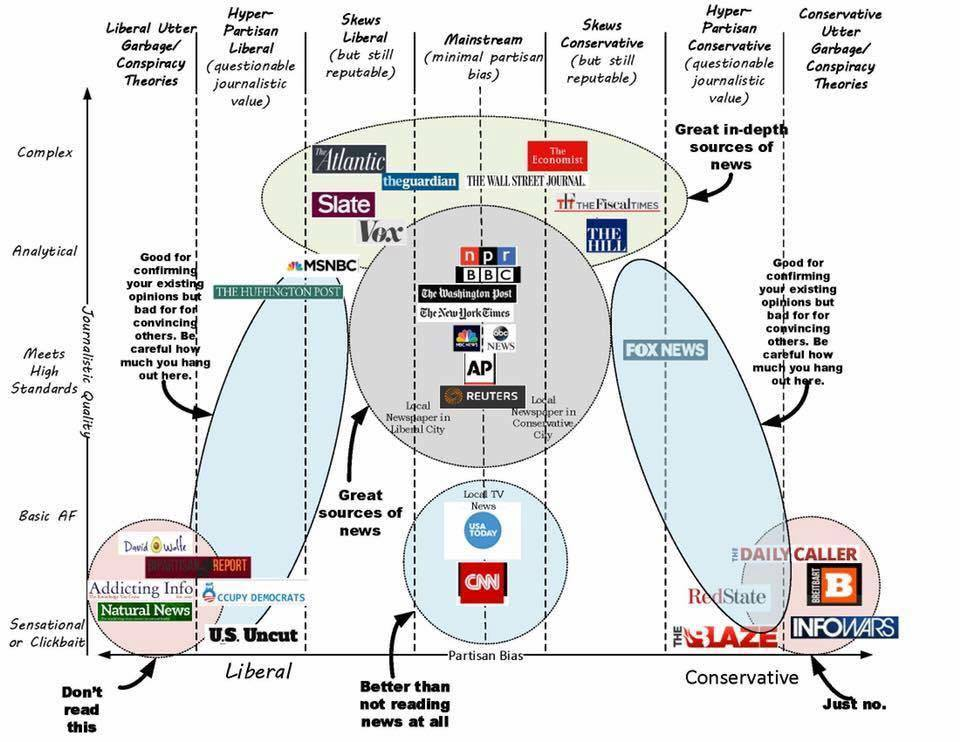
Fact-Checking Tools and Resources
Different tools serve different purposes in the verification process:
- Dedicated fact-checking sites like Snopes, PolitiFact, and FactCheck.org publish detailed analyses of widely circulated claims. Regional or topic-specific sites like Africa Check and Full Fact cover areas that major U.S.-based outlets might miss. These are great for checking whether someone has already debunked (or confirmed) a claim you're investigating.
- News databases such as LexisNexis, Factiva, and ProQuest give you access to extensive archives of published articles and public records. These are useful for tracking down original reporting or finding the earliest version of a claim.
- Browser extensions like the InVID/WeVerify plugin and RevEye help with video and image analysis by pulling up metadata and running reverse image searches across multiple platforms at once. InVID can also break a video into individual frames for closer inspection.
- AI-based tools use machine learning to flag articles that show patterns common in fabricated content. These are useful as a starting point, but they shouldn't replace human judgment. They can produce false positives and miss sophisticated misinformation.
Putting It Into Practice
When you encounter a claim that needs checking, prioritize based on two factors: how many people it could reach and how much harm it could cause if it's wrong. A viral health claim, for example, deserves urgent attention because people might make medical decisions based on it.
High-profile misinformation cases illustrate why this matters. The Pizzagate conspiracy theory, for instance, spread rapidly online in 2016 and eventually led to real-world violence when a man entered a Washington, D.C., restaurant with a firearm. Studying cases like this helps you recognize the tactics behind misinformation: misleading framing, out-of-context evidence, and emotional manipulation.
Once you've completed your verification, present your findings clearly. Use straightforward language, link to your sources, and include visuals when they help explain the evidence. The goal is to make your fact-check accessible so readers can follow your reasoning and evaluate the evidence themselves. Transparency about your process is just as important as the conclusion you reach.
See Fiveable more often in Google
Mark Fiveable as a preferred source and Google is more likely to show you our guides in Top Stories, with a "preferred" badge in AI Mode and AI Overviews.