1.3 Media literacy and critical thinking

📰Intro to Journalism Unit 1 Review
1.3 Media literacy and critical thinking
📰 Intro to Journalism
Media literacy is the ability to access, analyze, evaluate, and create media across various platforms. For journalism students, it's a foundational skill: before you can produce good journalism, you need to recognize what separates credible reporting from everything else. This section covers how to break down media messages, evaluate news credibility, and apply these skills as an informed citizen.
Media Literacy in the Digital Age
Media literacy in the digital age
Media literacy covers both traditional formats (television, radio, print) and digital ones (websites, social media, podcasts, mobile apps). The core idea is the same across all of them: don't passively consume information. Instead, actively question what you're seeing, who made it, and why.
This matters more now than ever because the sheer volume of content online makes it harder to separate reliable reporting from misinformation, disinformation, and propaganda. A quick distinction worth knowing:
- Misinformation is false or inaccurate content shared without intent to deceive (someone shares a wrong statistic because they didn't check it).
- Disinformation is deliberately false content designed to mislead (a fabricated story spread to influence an election).
- Propaganda is content crafted to promote a particular agenda, often by appealing to emotions rather than evidence.
Being media literate helps you make better decisions as both a consumer and a citizen, whether you're voting, forming opinions on policy, or just deciding whether to share a post.

Techniques for analyzing media
When you encounter any piece of media, run it through three layers of analysis:
1. Source and purpose
- Who created this? Look at the author's background, expertise, and potential biases (political affiliation, financial interests, organizational ties).
- Who is the intended audience?
- What's the purpose: to inform, persuade, entertain, or sell?
2. Content and presentation
- Is the information accurate and complete? Cross-check key claims against other sources.
- Does the piece use persuasive techniques like emotional appeals, loaded language, or logical fallacies?
- What kind of evidence supports the claims? Strong reporting relies on verifiable data, expert sources, and documentation rather than anecdotes alone.
3. Context and bias
- How does this message fit into the broader social, political, or cultural moment? A story about immigration policy reads differently during an election cycle than during a quiet news week.
- Are any perspectives missing or underrepresented? Consider whose voices are included and whose are left out.
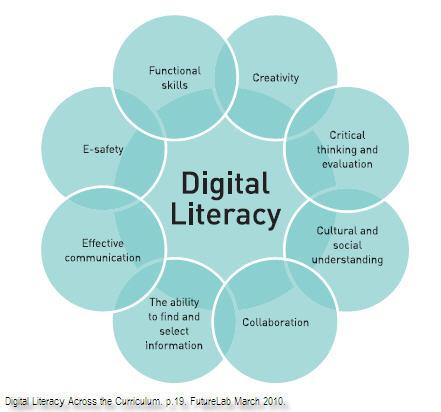
Applying Media Literacy Skills
Evaluating news credibility and bias
Spotting unreliable content takes practice, but a few concrete habits go a long way:
- Cross-reference claims. Check whether multiple reputable outlets are reporting the same facts. Use fact-checking sites like Snopes, PolitiFact, or AP Fact Check. When possible, trace claims back to primary sources such as government data, court records, or peer-reviewed studies.
- Watch for red flags. Be cautious with content that relies on anonymous or unverified sources, sensationalized headlines that don't match the article's content, or opinion framed as straight news.
- Check for balance. Credible reporting represents multiple perspectives, including opposing viewpoints. If a story only presents one side, ask what's being left out.
- Follow the money. Consider who owns and funds the news organization. Corporate ownership, political affiliations, or advertiser relationships can all shape what gets covered and how. For example, a media outlet owned by a company with fossil fuel investments may cover climate policy differently than an independent nonprofit newsroom.
- Notice framing. The stories an outlet chooses to cover (and the ones it ignores) shape public perception just as much as the content itself. This is called agenda-setting, and it's one of the subtler forms of media influence.
Media literacy for informed citizenship
Media literacy isn't just an academic exercise. It has real consequences for how democracy functions.
- Better decisions. When you can critically evaluate political ads, policy debates, and campaign coverage, you're better equipped to vote and participate in civic life based on evidence rather than manipulation.
- Slowing the spread of false content. One of the simplest things a media-literate person does is pause before sharing. Verifying a claim before reposting it is a small act that makes a real difference, especially when false content like deepfakes and manipulated images can spread faster than corrections.
- Stronger public discourse. Seeking out diverse, reliable sources helps you avoid echo chambers where you only encounter views that confirm what you already believe. That habit leads to more productive conversations, even with people you disagree with.
See Fiveable more often in Google
Mark Fiveable as a preferred source and Google is more likely to show you our guides in Top Stories, with a "preferred" badge in AI Mode and AI Overviews.