2.2 Ethical decision-making in newsrooms

📰Intro to Journalism Unit 2 Review
2.2 Ethical decision-making in newsrooms
📰 Intro to Journalism
Ethical Decision-Making in Journalism
Journalists face ethical dilemmas daily, from protecting sources to balancing privacy against the public interest. Ethical decision-making gives reporters and editors a structured way to work through these conflicts rather than relying on gut instinct. This section covers the decision-making process itself, the most common dilemmas you'll encounter, the philosophical frameworks journalists use to reason through them, and how newsroom culture shapes it all.
Process of Ethical Decision-Making
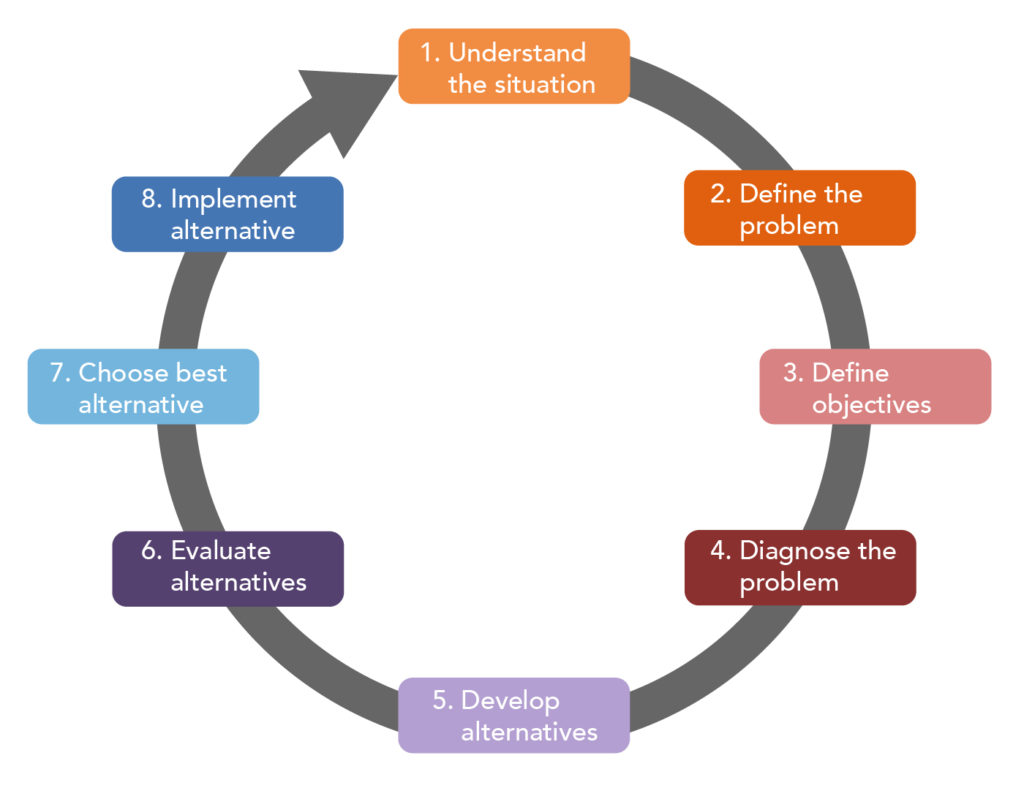
Ethical decision-making isn't a single moment of choosing right over wrong. It's a multi-step process that starts well before you make a call and continues after.
-
Recognize the ethical dilemma. Identify where ethical principles conflict with each other. For example, protecting a confidential source might clash with public safety if that source has information about an imminent threat. If you don't spot the tension, you can't address it.
-
Gather relevant information. Research the background and context so you understand all sides. Talk to colleagues, editors, or ethics experts. You can't make a good decision with incomplete facts.
-
Analyze the situation using ethical frameworks. Apply one or more of the major frameworks (covered in detail below):
- Utilitarianism: Which action produces the greatest good for the greatest number?
- Deontology: Which action fulfills your moral duties regardless of outcome?
- Virtue ethics: Which action reflects the character traits (honesty, compassion) you want to embody?
-
Consider alternative courses of action. Brainstorm solutions that minimize harm while upholding your principles. Could you redact sensitive details instead of killing the whole story? Could you delay publication to give a subject time to respond? Weigh the pros and cons of each option.
-
Make a decision and take responsibility. Choose the course of action that best aligns with journalistic values. Be prepared to explain and defend your reasoning to editors, the public, or even a courtroom.

Common Ethical Dilemmas for Journalists
These are the situations that come up again and again in newsrooms. Recognizing them quickly is half the battle.
- Conflicts of interest arise when personal or financial relationships could influence your reporting. Owning stock in a company you're covering is a clear example. So is accepting gifts or favors from sources. Even the appearance of a conflict can damage credibility, which is why most newsrooms require reporters to disclose potential conflicts to their editors.
- Protection of sources means maintaining confidentiality for anonymous sources who provide sensitive information. This gets complicated when courts issue subpoenas or when revealing a source could serve the public interest. Reporters have gone to jail rather than give up a source, which shows how seriously the profession takes this principle.
- Privacy vs. public interest forces you to weigh the public's right to know against an individual's right to privacy. Reporting on a public official's health condition might be justified if it affects their ability to govern, but the same story about a private citizen probably isn't. The key question: Is this private information genuinely newsworthy, or just interesting?
- Accuracy and verification require fact-checking through multiple sources before publishing. When errors do happen, correcting them transparently and quickly is essential. A newsroom that buries its corrections loses credibility fast.
- Fairness and objectivity mean presenting balanced coverage of controversial issues, like political campaigns, without bias or the appearance of bias. This involves using neutral language, seeking diverse perspectives, and giving subjects a fair chance to respond to allegations.
Application of Ethical Frameworks
These three frameworks give you different lenses for analyzing the same dilemma. In practice, journalists often draw on more than one.
Utilitarianism asks: What action produces the most benefit and the least harm overall? A utilitarian journalist might publish a story exposing a public health risk because the benefit to the community outweighs the negative consequences for the company responsible. The challenge is that "greatest good" can be hard to measure, and minority interests can get steamrolled.
Deontology asks: What are my duties, and am I fulfilling them? A deontological journalist focuses on principles like truth-telling, minimizing harm, and holding power accountable, regardless of the outcome. Verifying information before publication is a deontological act: you do it because it's your duty, not because you've calculated the consequences. This framework is strong on consistency but can feel rigid when duties conflict with each other.
Virtue ethics asks: What would a person of good character do? Instead of focusing on outcomes or rules, virtue ethics looks at the moral qualities behind the decision. Respecting the privacy of crime victims, for instance, reflects compassion. This framework also considers how your actions reflect on the profession as a whole.
Impact of Newsroom Culture
Individual ethics matter, but the culture of a newsroom shapes how those ethics play out in practice.
- Organizational values and norms set the tone. Some newsrooms explicitly prioritize accuracy over speed; others feel pressure to publish first. These expectations, whether stated in a handbook or just understood, influence every decision reporters make.
- Leadership and management play a direct role. Editors and supervisors set ethical standards through policies, regular ethics training, and their own behavior. A managing editor who models transparency about tough calls makes it easier for junior reporters to raise concerns.
- Peer influence and support help journalists navigate gray areas. Discussing a sensitive story with colleagues, or seeking guidance from experienced mentors, often surfaces angles or risks you hadn't considered on your own.
- Professional standards and codes of ethics provide industry-wide guidance. The SPJ (Society of Professional Journalists) Code of Ethics is the most widely referenced in U.S. journalism. It's organized around four principles: seek truth and report it, minimize harm, act independently, and be accountable and transparent. Ongoing training, like workshops on digital privacy, helps newsrooms keep up with evolving challenges.
- Accountability and transparency mechanisms keep newsrooms honest. These include ombudsmen (independent readers' representatives), published corrections policies, and editor's notes that explain the reasoning behind controversial editorial decisions. Communicating your process to the public builds trust even when people disagree with the outcome.
See Fiveable more often in Google
Mark Fiveable as a preferred source and Google is more likely to show you our guides in Top Stories, with a "preferred" badge in AI Mode and AI Overviews.