10.5 Hybrid forms and cross-genre works

📙Intro to Contemporary Literature Unit 10 Review
10.5 Hybrid forms and cross-genre works
📙 Intro to Contemporary Literature
Defining Hybrid and Cross-Genre Literature
Hybrid and cross-genre literature refers to works that combine elements from multiple genres to create something that doesn't fit neatly into any single category. Instead of being "just" a poem, novel, or memoir, these works sit at the intersection of forms, pulling techniques and conventions from different traditions at once.
For a unit on contemporary poetry and spoken word, hybrid forms matter because they show how poets today are refusing to stay inside the lines. Poetry bleeds into memoir, prose, visual art, and performance, and understanding these crossovers helps you read contemporary work on its own terms rather than forcing it into old boxes.

Top images from around the web for Blurring of traditional genre boundaries
» The Emergence of Literary Diction Journal of Digital Humanities View original
Is this image relevant?
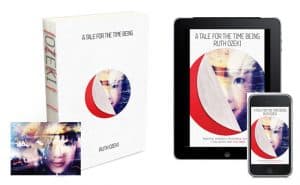
Hybrid Literature: Ruth Ozeki’s A Tale for the Time Being | Scholars' Lab View original
Is this image relevant?
YA Book Queen: Top Ten Favorite YA Contemporary Novels View original
Is this image relevant?
» The Emergence of Literary Diction Journal of Digital Humanities View original
Is this image relevant?
Hybrid Literature: Ruth Ozeki’s A Tale for the Time Being | Scholars' Lab View original
Is this image relevant?
Blurring of Traditional Genre Boundaries
Hybrid works deliberately make it hard to say, "This is a poem" or "This is a novel." Authors pull from fiction, nonfiction, poetry, drama, and visual art, weaving them together so the seams between genres become invisible or intentionally visible.
This blurring isn't accidental. It asks you, as a reader, to drop your assumptions about what a "poem" or "essay" should look like and pay attention to what the text is actually doing on the page.
Combining Elements from Multiple Genres
Think of hybrid literature as drawing from a toolkit that belongs to several genres at once:
- A work might use the narrative arc of a novel but deliver it through lyric poetry
- A memoir might incorporate invented scenes or poetic fragments alongside factual autobiography
- A poetry collection might include prose essays, photographs, or footnotes as part of its structure
Anne Carson's Autobiography of Red, for instance, retells a Greek myth through verse that reads like a novel, with characters, dialogue, and plot development all delivered in poetic lines. It's not "poetry with a story" or "a novel in verse" so much as both simultaneously.
Experimental and Innovative Approaches
Hybrid authors tend to embrace techniques that traditional single-genre works avoid:
- Fragmented or nonlinear storytelling that mirrors how memory or thought actually works
- Multiple narrators or shifting perspectives within a single text
- Unconventional page layouts, mixed typography, or visual elements embedded in the text
- Genre-bending structures where a section of lyric poetry gives way to an essay, then to a list, then back again
These aren't gimmicks. Each technique is a choice about how to convey meaning that a conventional form might not accommodate.
Key Characteristics of Hybrid Works
Defying Easy Categorization
If you pick up a hybrid work and can't figure out what shelf it belongs on, that's the point. These texts live in the spaces between genres. Claudia Rankine's Citizen: An American Lyric is shelved as poetry in some stores and as nonfiction in others. That ambiguity is a feature, not a flaw.
For you as a reader, this means approaching the text without expecting it to follow the "rules" of any single genre. Let the work teach you how to read it.
Unique Structures and Formats
Hybrid works often look different on the page:
- Prose passages interrupted by poetic interludes
- Visual elements like photographs, illustrations, or blank space used as part of the meaning
- Unconventional layouts where text placement on the page matters (think of how a concrete poem uses shape, but applied across an entire book)
Maggie Nelson's The Argonauts mixes memoir, literary theory, and philosophy in short prose blocks with theorists' names printed in the margins. The format itself signals that personal experience and intellectual argument aren't separate activities.
Unconventional Narrative Techniques
Beyond structure, hybrid works play with how stories get told:
- Fragmented narratives that leave gaps for the reader to fill
- Shifting between first, second, and third person within a single work
- Mixing registers of language (academic prose next to colloquial speech next to lyric imagery)
- Using footnotes, indexes, or appendices as creative rather than informational tools
Notable Examples of Hybrid Literature
Works Incorporating Poetry and Prose
- Anne Carson, Autobiography of Red — A "novel in verse" retelling the myth of Geryon and Herakles through contemporary lyric poetry with novelistic character development
- Michael Ondaatje, The Collected Works of Billy the Kid — Blends poetry, prose, photographs, and blank space to construct a fragmented portrait of the outlaw
- Claudia Rankine, Citizen: An American Lyric — Combines prose poetry, visual art, and essay to examine everyday racism in America

Memoirs Blending Fact and Fiction
- Maggie Nelson, The Argonauts — Weaves personal memoir about gender, family, and the body with critical theory and philosophy
- Tim O'Brien, The Things They Carried — Presents fictional stories about Vietnam alongside metafictional reflections on truth and storytelling, deliberately blurring the line between what "really happened" and what's invented
- Mary Karr, The Liars' Club — Uses novelistic pacing and vivid scene-building to tell a factual memoir
Graphic Novels Merging Text and Visuals
Graphic novels are among the most widely recognized hybrid forms. The interplay between image and text creates meaning that neither could achieve alone.
- Art Spiegelman, Maus — Uses the comic form to tell a Holocaust survival narrative, with Jews drawn as mice and Nazis as cats
- Alison Bechdel, Fun Home — A graphic memoir exploring family, sexuality, and literature through detailed illustrations and dense literary allusion
- Marjane Satrapi, Persepolis — A graphic memoir of growing up during the Iranian Revolution
Pioneering Authors in Cross-Genre Writing
Postmodern and Contemporary Trailblazers
Several authors helped establish the groundwork for today's hybrid literature:
- Jorge Luis Borges — His short fictions blur the line between essay, fiction, and philosophy
- Italo Calvino — Experimented with structure and metafiction, especially in If on a winter's night a traveler
- Angela Carter — Rewrote fairy tales through feminist, surrealist prose that merged folklore with literary fiction
- David Mitchell — Nests multiple genres (sci-fi, historical fiction, thriller) within single novels like Cloud Atlas
Influential Works That Redefined Genres
Some specific texts became landmarks for hybrid writing:
- Mark Z. Danielewski, House of Leaves — Combines horror narrative, academic footnotes, and experimental typography where the physical layout of the page mirrors the story's disorientation
- Jennifer Egan, A Visit from the Goon Squad — Structures a novel as interconnected stories using wildly different forms, including a chapter written entirely as a PowerPoint presentation
- David Foster Wallace, Infinite Jest — Uses extensive footnotes and digressions as structural elements rather than supplementary material
Impact on the Literary Landscape
These pioneering works opened doors for younger writers to experiment without apology. The influence shows up in the growing number of genre-bending works winning major literary prizes, appearing on syllabi, and reaching wider audiences. Hybrid literature has moved from the margins toward the center of contemporary literary conversation.
Analyzing Hybrid Texts
Identifying Genre-Bending Elements
When you encounter a hybrid text, start by asking: What genres are present here? Look for:
- Shifts between prose and verse
- Mixing of factual and invented material
- Visual or typographic elements that carry meaning
- Structural choices borrowed from non-literary forms (lists, indexes, slide decks)
Naming the genres at play gives you a vocabulary for discussing what the text is doing.
Examining the Purpose of Hybridization
The next question is why. Authors don't blend genres randomly. Consider:
- What does the hybridization add? Does mixing poetry into a memoir let the author express something that straight prose couldn't?
- How does form connect to content? In Citizen, Rankine's use of second person ("You are in the checkout line...") combined with prose poetry forces the reader into the experience of racial microaggressions. The form is part of the argument.
- What expectations does the blending disrupt? If a work looks like a novel but keeps breaking into verse, what effect does that disruption create?

Interpreting Meaning and Themes
Close reading hybrid texts means paying attention to the transitions between genres and modes. Where does the author shift from prose to poetry, or from personal narrative to theoretical argument? Those shifts are often where the most meaning lives.
Ask yourself how the genre-bending elements reinforce or complicate the work's central themes. A fragmented structure might mirror a fragmented identity. A mix of fact and fiction might argue that "truth" is more complicated than factual accuracy.
Challenges and Controversies
Resistance to Traditional Genre Classifications
Hybrid works can be hard to market, shelve, review, and teach. Literary prizes often have genre-specific categories, and a work that's part poetry, part essay, part memoir may not fit any of them cleanly. This has real consequences for which books get recognized and which get overlooked.
Debates over Literary Merit and Accessibility
Some critics argue that heavy experimentation can alienate readers, making literature feel exclusive or unnecessarily difficult. Others counter that hybrid forms actually expand who literature speaks to by breaking free of conventions that were themselves exclusionary.
This tension is worth thinking about honestly: experimental form can be genuinely illuminating, but it can also become an end in itself if it doesn't serve the work's meaning.
Pushing the Boundaries of What Constitutes Literature
Hybrid works raise a fundamental question: What counts as literature? When a book includes photographs, or a poem is performed with music, or a memoir invents scenes, the traditional definitions get tested. That testing is productive, even when it's uncomfortable, because it forces readers and critics to articulate what they actually value in literary art.
The Future of Hybrid and Cross-Genre Literature
Emerging Trends and New Forms
Digital technology is opening new possibilities for hybrid work:
- Interactive or hyperlinked texts that let readers choose their path
- Works incorporating audio, video, or social media elements
- Spoken word performances that blend poetry with music, visual projection, and audience participation
These aren't replacements for print-based hybrid literature but extensions of the same impulse to combine forms.
Potential for Further Experimentation
The success of hybrid works over the past few decades has made publishers and readers more receptive to genre-bending. As more writers grow up reading Carson, Rankine, Egan, and Danielewski, experimentation with form becomes less of a radical act and more of an available option in any writer's toolkit.
Role in Shaping Contemporary Literary Discourse
Hybrid literature pushes the broader literary conversation toward questions about form, genre, and what stories can look like. These works remind us that the categories we use to organize literature are human inventions, not natural laws, and that the most interesting writing often happens when those categories get challenged.
See Fiveable more often in Google
Mark Fiveable as a preferred source and Google is more likely to show you our guides in Top Stories, with a "preferred" badge in AI Mode and AI Overviews.