10.2 International portfolio investment

🥇International Economics Unit 10 Review
10.2 International portfolio investment
🥇 International Economics
International Portfolio Investment
International portfolio investment involves buying financial assets in foreign countries to build a diversified portfolio across borders. Unlike foreign direct investment (where you acquire control of a business), portfolio investment is about holding stocks, bonds, and funds for returns and diversification. Understanding how and why capital flows across borders is central to international economics, since these flows shape exchange rates, asset prices, and economic stability worldwide.

Top images from around the web for Components of international portfolio investment
Difference between ETF and Mutual Fund ~ I Answer 4 U View original
Is this image relevant?
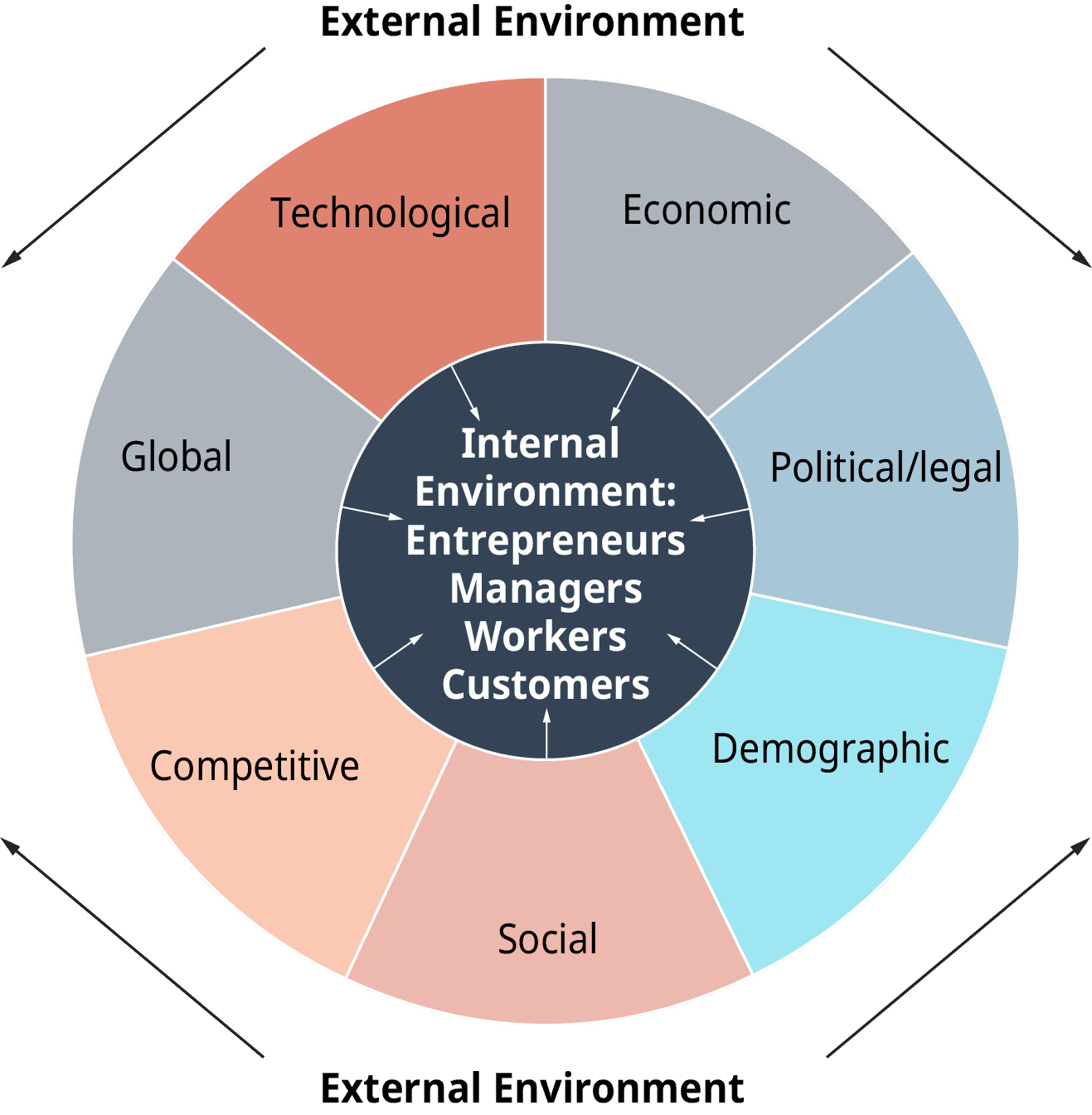
Understanding the Business Environment | OpenStax Intro to Business View original
Is this image relevant?
Understanding the Business Environment | OpenStax Intro to Business View original
Is this image relevant?
Understanding the Business Environment | OpenStax Intro to Business View original
Is this image relevant?
Understanding the Business Environment | OpenStax Intro to Business View original
Is this image relevant?
What are open and close ended mutual fund schemes? ~ I Answer 4 U View original
Is this image relevant?
What are open and close ended mutual fund schemes? ~ I Answer 4 U View original
Is this image relevant?
What are open and close ended mutual fund schemes? ~ I Answer 4 U View original
Is this image relevant?
What are open and close ended mutual fund schemes? ~ I Answer 4 U View original
Is this image relevant?
Difference between ETF and Mutual Fund ~ I Answer 4 U View original
Is this image relevant?
Difference between ETF and Mutual Fund ~ I Answer 4 U View original
Is this image relevant?
Difference between ETF and Mutual Fund ~ I Answer 4 U View original
Is this image relevant?
Difference between ETF and Mutual Fund ~ I Answer 4 U View original
Is this image relevant?
Difference between ETF and Mutual Fund ~ I Answer 4 U View original
Is this image relevant?
Difference between ETF and Mutual Fund ~ I Answer 4 U View original
Is this image relevant?
Difference between ETF and Mutual Fund ~ I Answer 4 U View original
Is this image relevant?
Difference between ETF and Mutual Fund ~ I Answer 4 U View original
Is this image relevant?
Understanding the Business Environment | OpenStax Intro to Business View original
Is this image relevant?
Components of International Portfolio Investment
International portfolio investment spans several asset classes, each offering different risk-return profiles.
- Foreign equities: Purchasing stocks of companies listed on foreign exchanges (e.g., Toyota on the Tokyo Stock Exchange). This gives you ownership stakes in firms operating under different economic conditions than your home market.
- Foreign bonds: Investing in bonds issued by foreign governments (e.g., UK gilts) or foreign corporations to earn interest income. Sovereign bonds and corporate bonds carry different levels of credit risk depending on the issuer.
- International mutual funds and ETFs: These hold baskets of foreign securities, providing broad exposure to international markets without requiring you to pick individual stocks or bonds.
- Other instruments: Foreign currency-denominated money market instruments (e.g., Eurodollar deposits) and derivatives can be used to manage risk or speculate on price movements across borders.
Motivations for International Investment
Investors go abroad for several interconnected reasons:
Diversification and risk reduction. Asset returns in different countries are not perfectly correlated. By spreading capital across economies, you reduce the impact of any single country's downturn on your overall portfolio. A recession in the U.S., for instance, may not coincide with a downturn in Southeast Asian markets.
Higher potential returns. Fast-growing economies like India or Vietnam may offer returns that outpace mature markets. Similarly, undervalued markets with attractive price-to-earnings ratios can present opportunities that don't exist domestically.
Interest rate differentials. When foreign bonds offer higher yields than domestic ones (e.g., Australian government bonds vs. U.S. Treasuries), investors can earn more interest income by moving capital abroad. This is a major driver of cross-border bond flows.
Broader opportunity set. Some sectors or companies simply aren't well-represented in every domestic market. A U.S. investor wanting exposure to luxury goods might buy shares of LVMH in Paris; a Japanese investor seeking tech diversification might look to Silicon Valley.
Currency hedging. Holding assets denominated in stable or appreciating currencies (e.g., Swiss francs) can protect against depreciation of your home currency.
Impact on Global Capital Flows
Cross-border portfolio investment is one of the largest components of international capital flows, and its effects ripple through both source and recipient economies.
For recipient countries, foreign investment inflows provide capital for business expansion and infrastructure. Increased foreign participation in local markets can boost demand for domestic assets, driving up prices and improving market liquidity. Greater integration with global markets also enhances price discovery, since more participants are trading on new information.
For source countries, large outflows of domestic capital can create balance of payments pressures and weaken the domestic currency if outflows are sustained.
Contagion risk is a serious concern. Portfolio investment linkages mean that a financial shock in one country can spread rapidly to others. During the 2008 global financial crisis, for example, foreign investors pulled capital out of emerging markets simultaneously, amplifying downturns that originated in U.S. mortgage markets. Sudden shifts in investor sentiment can trigger large-scale inflows during bull markets or rapid outflows during crises, making recipient economies vulnerable to volatility they didn't generate.
Risks vs. Returns in International Strategies
International investing offers genuine diversification benefits, but it introduces risks that don't exist in purely domestic portfolios.
Country-specific risks:
- Political risk: Coups, sanctions, or abrupt policy changes can disrupt markets overnight. Even the threat of political instability can cause capital flight.
- Economic risk: Recessions, high inflation, or sovereign debt crises (e.g., Greece in 2010) can erode the value of foreign holdings significantly.
- Regulatory risk: Changes in foreign ownership rules, imposition of capital controls, or new tax laws can directly reduce returns for international investors.
Currency risk deserves special attention. If you invest in a foreign asset and that country's currency depreciates against yours, your returns shrink when converted back to your home currency. For example, a 10% gain on a Brazilian stock means much less if the real falls 8% against the dollar over the same period. Investors can mitigate this using currency forwards (locking in a future exchange rate) or options, though hedging adds cost.
Liquidity risk tends to be higher in markets with lower trading volumes or less developed financial infrastructure. Selling foreign assets quickly at fair prices during a downturn can be difficult, potentially magnifying losses.
Transaction costs are also higher for cross-border investments. Currency conversion fees, foreign withholding taxes on dividends, and longer settlement times all eat into net returns compared to domestic investing.
The tradeoff: Despite these risks, exposure to fast-growing economies and the diversification benefits from low correlations between international and domestic markets can improve risk-adjusted returns over longer time horizons. The key is sizing international exposure appropriately and understanding which risks you're being compensated for and which you should hedge away.
See Fiveable more often in Google
Mark Fiveable as a preferred source and Google is more likely to show you our guides in Top Stories, with a "preferred" badge in AI Mode and AI Overviews.